0%

Table of Contents

Look, I’ve spent the last fifteen years knee-deep in concrete, chasing down suppliers, and generally making sure construction projects actually happen. And I'll tell you one thing: keeping a crew dry and working efficiently in all kinds of weather isn't just about morale, it's about hitting deadlines and staying on budget. That’s where a good, reliable bluey raincoat comes in. It's not a luxury, it's a critical piece of kit. We’ve tried everything over the years – cheap throwaways, fancy breathable fabrics that fall apart after a month, and everything in between. The goal is simple: protection from the elements that doesn't hinder actual work.

What I’ve learned is that the best bluey raincoat isn't about flashy features, it’s about relentless practicality. It’s about a design that understands a construction site is a rough environment. Think durability, freedom of movement, and enough pockets to hold the essentials. Too many companies design for fashion; we need gear designed for function. It’s about minimizing downtime and maximizing productivity, even when the skies open up.

And it's bigger than just keeping people dry. A good bluey raincoat is part of a larger safety culture. If your crew is comfortable and protected, they're more focused, and that means fewer accidents. It seems small, but it adds up.
Essential Bluey Raincoat Solutions for Construction Site Productivity and Safety

The Importance of Bluey Raincoat on Construction Sites

Essential Bluey Raincoat Solutions for Construction Site Productivity and Safety

Let's be clear: construction isn't a desk job. You're exposed to the elements constantly. A quality bluey raincoat isn't about comfort, it’s about maintaining productivity. Wet and cold workers are slow workers, and slow workers cost money. It directly impacts project timelines. I've seen delays snowball because crews couldn't work through manageable rain because their gear was failing.

Think about the cost of downtime, the cost of re-work due to preventable mistakes, and the cost of potential safety incidents. A well-chosen bluey raincoat is a preventative investment that pays for itself many times over. It’s a simple, often overlooked, piece of the puzzle, but it's a crucial one.

Defining a Reliable Bluey Raincoat

When I talk about a "reliable" bluey raincoat, I'm not talking about something you pick up at the corner store. I'm talking about a garment built to withstand the rigors of a jobsite. That means waterproof and breathable. You need something that keeps the rain out, but also allows moisture to escape so you don’t end up soaked from the inside out. That’s a sweet spot that requires good materials and thoughtful design.

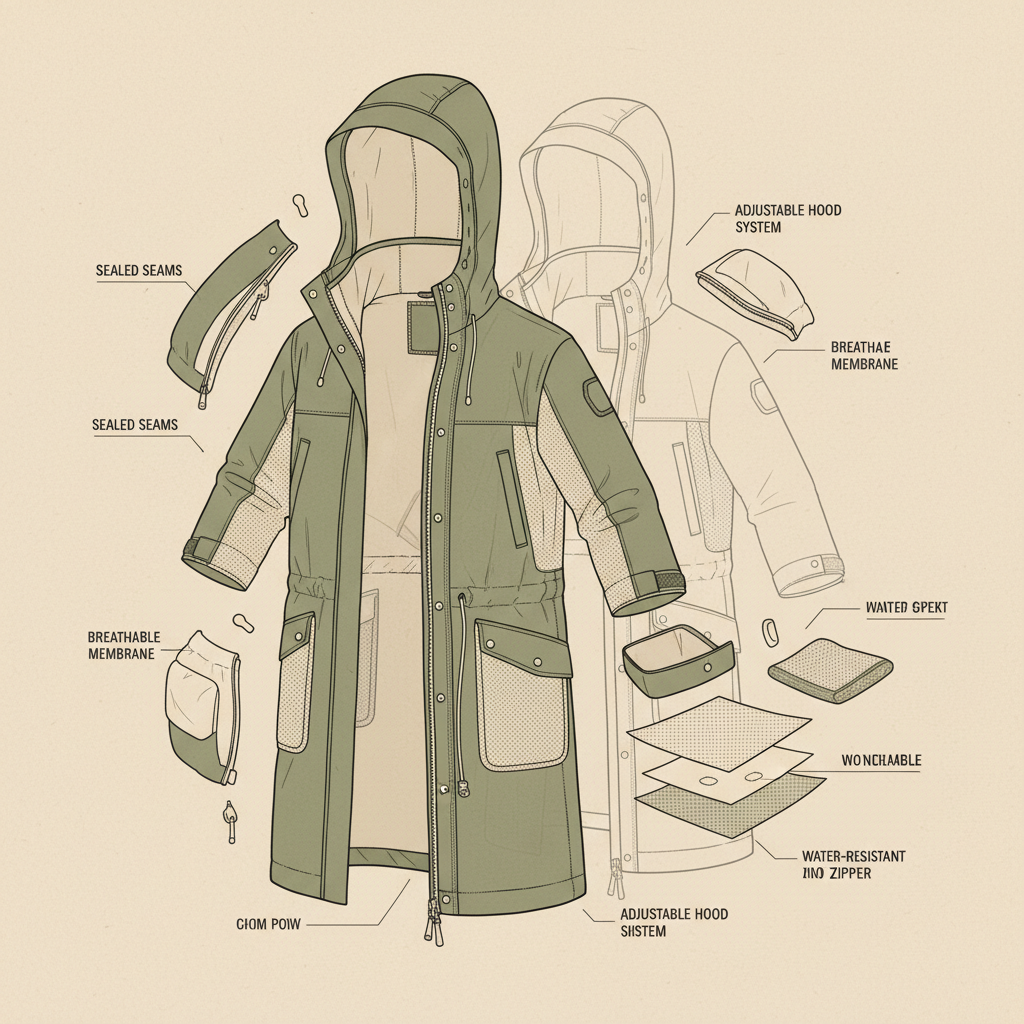
Durability is paramount. Reinforced seams, robust zippers, and abrasion-resistant fabrics are non-negotiable. We've lost time and money replacing flimsy gear that tears or falls apart after a few weeks. A good bluey raincoat should last a season, maybe even longer, with proper care.

It also needs to be practical. Good pockets – lots of them – are essential for keeping tools, gloves, and paperwork readily accessible. Adjustable hoods and cuffs are also crucial for a comfortable and secure fit.

Key Factors for Construction-Grade Bluey Raincoats

The first factor is obviously waterproofing. We're looking for a high waterproof rating – something that can handle sustained downpours. But waterproofing alone isn't enough. Breathability is just as important. A bluey raincoat that doesn't breathe will quickly become uncomfortable and ineffective.

Secondly, you need to consider the material. Heavy-duty nylon or polyester are good choices, as they are both durable and water-resistant. Reinforced areas, like elbows and shoulders, are a must-have. The quality of the seams is also critical. Taped seams are essential for preventing water from leaking in.

Finally, think about the overall design. A longer length provides better coverage, and an adjustable hood is essential for keeping the rain off your face. Pockets should be strategically placed for easy access, and closures should be secure and reliable. Don't underestimate the importance of visibility – high-visibility features are crucial for safety on busy job sites.

Global Applications and Use Cases in Harsh Environments

You see the need for a robust bluey raincoat everywhere it rains, snows, or gets generally miserable. In post-disaster relief operations in places like Southeast Asia, reliable rain gear is critical for rescue workers and aid delivery teams. Imagine trying to rebuild infrastructure in a typhoon zone wearing flimsy plastic ponchos – it's just not practical.

Similarly, in remote industrial zones like the Canadian oil sands or Siberian mining operations, crews face extreme weather conditions year-round. A durable bluey raincoat is essential for maintaining productivity and safety in these harsh environments.

Even in more temperate climates, a good bluey raincoat is a valuable asset for outdoor construction projects. From bridge building in the Pacific Northwest to road construction in the UK, crews need reliable protection from the elements.

Bluey Raincoat Performance Metrics


Advantages and Long-Term Value of Investing in Quality Bluey Raincoats

Investing in good bluey raincoat isn’t just about preventing wet workers; it’s about minimizing lost productivity and reducing long-term costs. Cheap gear fails, leading to replacements and downtime. A higher upfront cost for quality pays off in the long run.

There's a safety aspect too. A comfortable, dry worker is a more alert worker, and a more alert worker is less likely to have an accident. That’s a tangible benefit that's hard to quantify, but it’s real. It’s about showing your crew you value their well-being.

Future Trends and Innovations in Bluey Raincoat Technology

We're starting to see some interesting developments in materials science. New breathable membranes are offering improved waterproofing and breathability. There’s also a push towards more sustainable materials – recycled fabrics and eco-friendly coatings are becoming more common.

Another trend is the integration of smart technologies. Think about raincoats with built-in heating elements or sensors that monitor the wearer's body temperature. It sounds like science fiction, but it’s becoming increasingly feasible.

I also expect to see more customization options. Different jobs require different features, and being able to tailor the bluey raincoat to the specific needs of the task will be a game-changer.

Challenges and Solutions in Bluey Raincoat Procurement and Maintenance

One of the biggest challenges is finding a balance between cost and quality. Procurement departments are often focused on the bottom line, and it can be difficult to convince them to invest in more expensive gear. The key is to demonstrate the long-term value proposition.

Another challenge is maintenance. Even the best bluey raincoat will eventually need to be cleaned and repaired. Providing crews with proper cleaning instructions and repair kits can significantly extend the life of the gear.

Finally, there’s the issue of sizing and fit. Offering a wide range of sizes and ensuring that the gear fits properly is essential for comfort and performance. A poorly fitting bluey raincoat is useless, no matter how good the materials are.

Key Factors for Assessing Bluey Raincoat Durability and Performance

Material Composition Waterproof Rating (mm) Durability Score (1-10) Breathability Score (1-10)
Nylon with PU Coating 10,000mm 7 6
Polyester with DWR Finish 5,000mm 6 5
Gore-Tex Pro 28,000mm 9 9
PVC Coated Fabric 20,000mm 8 3
Recycled Polyester with DWR 8,000mm 7 6
Ripstop Nylon with Waterproof Membrane 15,000mm 8 7

FAQS

What's the difference between a waterproof and water-resistant bluey raincoat?

Waterproof means the fabric will completely prevent water from penetrating, even under pressure. Water-resistant, on the other hand, means the fabric can repel water to a certain degree, but will eventually become saturated. For construction work, you need truly waterproof gear, especially if you’re exposed to prolonged rain or harsh conditions. A good waterproof rating is at least 10,000mm, but higher is always better.

How important is breathability in a bluey raincoat?

Breathability is hugely important. If a raincoat isn't breathable, you'll end up sweating inside it, which can be just as uncomfortable as being wet from the rain. Look for materials with a breathability rating, measured in grams per square meter per 24 hours (g/m²/24h). A higher number indicates better breathability. You want something that allows moisture vapor to escape, keeping you dry and comfortable.

How do I properly care for a bluey raincoat to extend its lifespan?

Proper care is critical. Always follow the manufacturer's instructions, but generally, you should avoid using harsh detergents or fabric softeners. Wash your raincoat separately in cold water. Air dry it – don't put it in the dryer, as the heat can damage the waterproof membrane. Periodically re-treating the fabric with a DWR (durable water repellent) spray can also help maintain its waterproofness.

What features should I look for in a bluey raincoat for construction work?

Besides waterproofing and breathability, look for reinforced seams, durable zippers, adjustable cuffs and hoods, and plenty of pockets. High-visibility features are also essential for safety on job sites. A longer length provides better coverage, and a sturdy construction overall will ensure the coat can withstand the rigors of daily use. Think about the specific tasks you'll be performing and choose a coat that meets those needs.

Are more expensive bluey raincoats always better?

Not necessarily, but generally, you get what you pay for. A higher price often reflects better materials, more durable construction, and advanced features. However, it's important to do your research and choose a coat that meets your specific needs and budget. Don't just focus on the price tag; consider the long-term value and the potential cost of replacing a cheaper coat that fails prematurely.

How can I determine the right size bluey raincoat for my crew?

Proper sizing is crucial for comfort and performance. It's best to measure each worker individually and consult the manufacturer's size chart. Allow for enough room to wear layers underneath without restricting movement. Consider offering a range of sizes to accommodate different body types. A well-fitting raincoat will provide better protection and improve overall comfort and productivity.

Conclusion

Ultimately, a bluey raincoat is more than just a piece of clothing; it's a critical piece of safety equipment and a key factor in maintaining productivity on any construction site. Investing in quality gear, understanding the key features to look for, and implementing proper care and maintenance practices will pay dividends in the long run. It’s a simple solution to a persistent problem.

Don't underestimate the power of keeping your crew dry and comfortable. It's a small investment that can have a significant impact on morale, safety, and project timelines. For reliable bluey raincoat solutions built for the real world, visit our website today: www.mayraincoat.com.


Michael Thompson

Michael Thompson

Michael Thompson is a seasoned Technical Designer at Mayrain, with over 12 years dedicated to rainwear and garment development. He leads the team in utilizing advanced design systems and adhering to ISO9001 2000 quality management principles. Michael’s expertise spans material selection, pattern making, and prototype development, focusing on creating high-performance
Previous Essential Guide to Buy Raincoat Online for Worksite Safety and Durability
Next Essential Breathable Rain Poncho Guide for Construction and Outdoor Work