rainwears@163.com may@may-rain.com
 Mon to Friday: 8.00 am - 7.00 pm
 rainwears@163.com may@may-rain.com Mon to Friday: 8.00 am - 7.00 pm


When procurement managers or individual buyers search for a real raincoat price, they often find a confusing spectrum of costs ranging from disposable pennies to premium professional gear. This disparity is rarely about brand prestige alone, but rather a reflection of the technical specifications, material durability, and manufacturing scale.
Understanding the cost structure of rainwear requires a dive into the textile science of waterproofing. From the choice of polyester coatings to the precision of seam sealing, every design decision impacts the final bill of materials. In the global apparel manufacturing sector, the shift toward packable, multifunctional designs has further complicated how value is assigned to these garments.
This analysis explores the variables that dictate pricing in the modern rainwear market, providing a framework for evaluating whether a quote aligns with the technical reality of the product.


The baseline for any rainwear price is the raw material. Most commercial raincoats utilize polyester fabric treated with specialized waterproof coatings. The cost fluctuates based on the denier of the fabric and the chemical composition of the coating, which determines the garment's breathability and water-repellency.
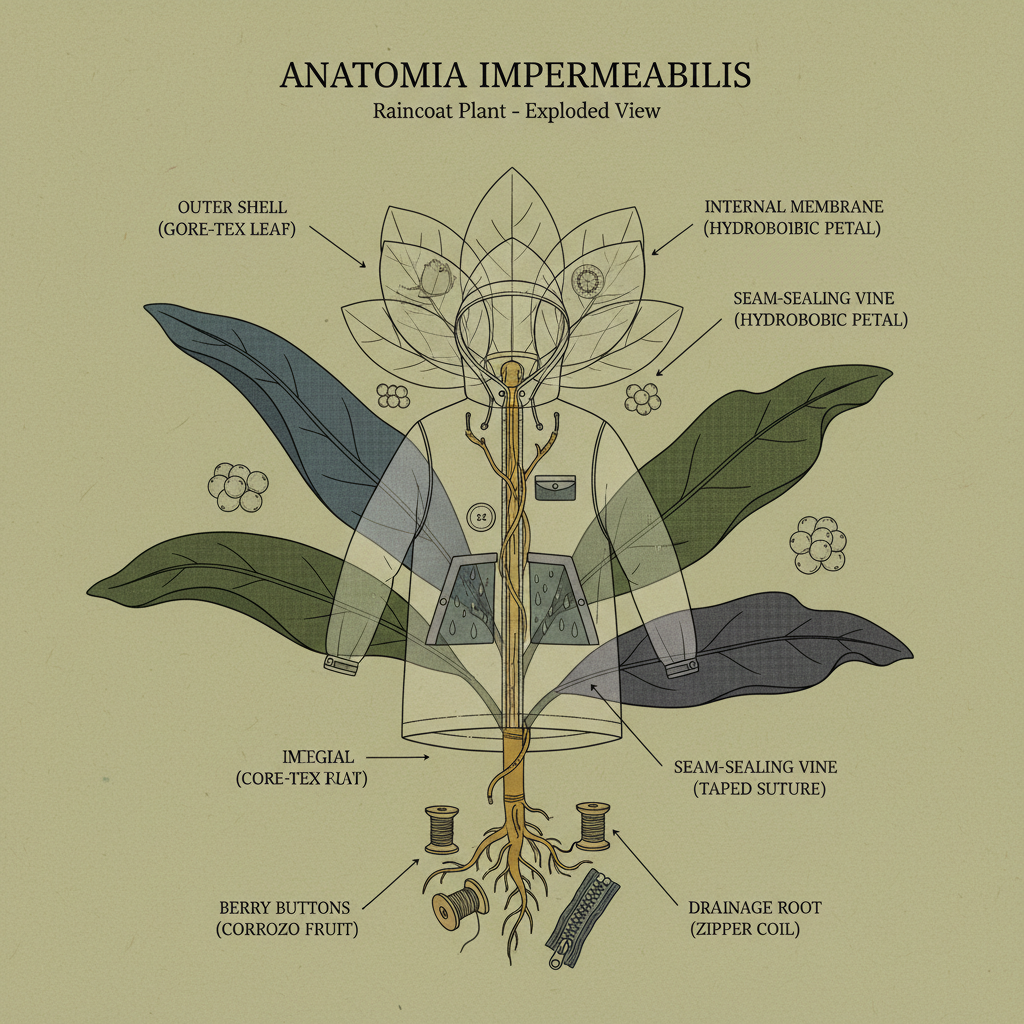
Beyond the fabric, labor costs for assembly—specifically the taping of seams—create a significant price delta. A garment that is merely water-resistant will be substantially cheaper than one that is fully waterproof, as the latter requires meticulous heat-sealing of every stitch to prevent leakage.
Hardware components often represent a hidden cost in the final pricing. For instance, switching from plastic zippers to durable metal zippers with custom logo labels increases both the unit cost and the longevity of the product. Similarly, the inclusion of adjustable drawstring hoods and secure side pockets adds to the complexity of the cutting and sewing process.
Packaging and logistics also play a role. The trend toward "packable" rain jackets—where the garment can be folded into its own pocket or a carrying pouch—requires a specific fabric weight and a thoughtful design layout. This functionality increases the value proposition for travel and outdoor activities, which is reflected in the wholesale price.
Certification and compliance are the final layers of cost. Adhering to international standards such as BSCI audits or meeting California 65 and EN71 requirements ensures safety and ethical production. While these audits add operational overhead, they are essential for companies entering the European or North American markets.
When evaluating the relationship between material quality and price, one must distinguish between temporary coatings and integrated waterproof membranes. Many entry-level products rely on simple surface sprays that wear off over time, while professional-grade gear uses deep-penetration coatings or laminated layers.
The true value of a raincoat is not found in the initial price point, but in the balance between waterproof efficacy, breathability, and the durability of the mechanical fasteners over multiple seasons of use.
For manufacturers like Mayrain, the focus is on providing a breathable yet windproof experience. Using high-quality polyester with waterproof printing allows for a lightweight feel without sacrificing protection, creating a middle-ground price point that serves both promotional needs and functional outdoor requirements.
To better understand how different features impact the real raincoat price, we can look at a relative value index. This index measures the "cost-to-performance" ratio based on common industry specifications such as material weight, zipper quality, and packability.
Generally, as we move from disposable ponchos to packable cycling jackets, the price increases non-linearly because the technical requirements for windproofing and breathability grow exponentially.
The intended use case heavily dictates the necessary specifications and, consequently, the price. For a theme park or a short-term event, a lightweight disposable poncho suffices. However, for activities like hiking, cycling, or climbing, the requirement shifts toward "Function Wears"—garments that offer a relaxed fit for movement and specialized waterproof layers to withstand prolonged exposure.
In these scenarios, the integration of features like adjustable rope hoods and metal zippers becomes a necessity rather than a luxury. For bulk purchasers, such as corporate gift providers or outdoor gear distributors, the MOQ (Minimum Order Quantity) often becomes the primary lever for reducing the unit price, as production efficiencies are maximized at volumes of 1,000 pieces or more.
The rainwear market is moving away from "one size fits all" pricing toward a segmented approach. There is a growing demand for sustainable materials and non-toxic coatings (PFC-free), which initially increases production costs but enhances the brand's marketability and long-term viability.
Additionally, the rise of OEM (Original Equipment Manufacturer) services allows brands to customize everything from Pantone color printing to specialized packaging. This shift means that the "real price" is now highly variable, based on the level of customization required for a specific brand identity.
We are also seeing a convergence of rainwear and activewear. The demand for jackets that can function as both a windbreaker and a raincoat means that manufacturers must invest in more complex, breathable polyester blends, shifting the cost structure toward technical textile innovation.
For those managing large-scale procurement, selecting a supplier requires a balance between cost, quality control, and lead times. A low quote is often an indicator of omitted quality checks or inferior seam sealing, which can lead to high return rates.
A robust evaluation framework should prioritize the AQL (Acceptable Quality Level) inspection standards. Ensuring that a manufacturer follows a strict QC system—such as AQL 2.5-4.0—guarantees that the delivered products match the sample's quality, protecting the buyer's investment.
The following table provides a comparison framework to help buyers align their budget with the appropriate technical tier.
| Feature | Low-Cost Tier | Mid-Range Tier | Premium Tier |
|---|---|---|---|
| Fabric Type | Thin PE/PVC | Coated Polyester | Laminated Membrane |
| Waterproofing | Surface Spray | Waterproof Coating | Seam-Taped/Fused |
| Fasteners | Snap Buttons | Standard Zippers | Metal Logo Zippers |
| Functionality | Single Use | Packable/Reusable | High-Breathability |
| Certifications | Basic | BSCI / EN71 | SMETA 4P / Full Audit |
| Suitability | Promotions | Travel/Outdoor | Professional/Industrial |
The primary drivers are material quality (e.g., the type of polyester and coating), the complexity of the construction (such as seam sealing and the addition of packable pouches), and the quality of the hardware used (plastic vs. metal zippers). Furthermore, compliance with international safety and ethical audits like BSCI or SMETA increases the production cost but ensures a higher standard of quality and labor practices.
Generally, yes. Packable raincoats require a more flexible, lightweight fabric that maintains waterproof integrity even when compressed. The design must also incorporate a specialized pocket or pouch. While the material cost may be similar, the design and manufacturing precision required to make a garment "pocketable" without damaging the coating adds to the overall value and price.
Minimum Order Quantity (MOQ) significantly impacts pricing due to economies of scale. For a typical manufacturer, an MOQ of 1,000 pieces allows for optimized fabric cutting and streamlined assembly line setup. Smaller orders often incur higher "setup costs" per unit, whereas larger orders allow the manufacturer to negotiate better raw material prices, passing those savings to the buyer.
Water-resistant garments usually have a surface coating that repels light rain but can leak at the seams. Waterproof garments are designed to withstand heavy rain and wind, typically requiring heat-sealed seams. Because seam sealing is a labor-intensive process requiring specialized machinery and quality checks, truly waterproof gear is priced higher than water-resistant alternatives.
Customization depends on the scope. Simple Pantone color printing or logo labels on zippers typically have a minimal impact on the unit price for large orders. However, extensive customization—such as custom-molded zippers, unique fabric colors, or specialized OEM packaging—increases the initial mold charges and production complexity, which will be reflected in the final quote.
These certifications provide a layer of risk management. BSCI ensures that the factory adheres to ethical labor standards, while EN71 and California 65 ensure the materials are non-toxic and safe for the end-user (especially for children's raincoats). For professional buyers, these certificates prevent legal liabilities and ensure that the products are compliant with the import laws of the destination country.
Determining a real raincoat price is an exercise in balancing functional requirements against budget constraints. Whether procuring for promotional events or professional outdoor use, the focus should remain on the intersection of material durability, seam integrity, and certification.
As the industry evolves toward more breathable and sustainable textiles, the most successful procurement strategies will be those that prioritize long-term performance and ethical manufacturing over the lowest initial quote.