Mon to Friday: 8.00 am - 7.00 pm



High Visibility Reflective Gear and Water Fighter Raincoat Price
When procuring high-visibility protective gear, understanding the balance between material performance and cost is critical for procurement managers. For those seeking an efficient solution for outdoor operations, the reflective rain poncho offers a strategic blend of safety and waterproof functionality. These garments are specifically engineered to provide maximum coverage for adults, utilizing polyester with a specialized waterproof coating to ensure the wearer remains dry in heavy precipitation while maintaining visibility in low-light environments.
Whether for industrial use, emergency services, or large-scale promotional events, the choice of protective rainwear impacts both operational safety and budget allocation. By analyzing the water fighter raincoat price, buyers can better determine the total cost of ownership relative to the garment's durability and compliance with safety standards. This guide examines the technical specifications and manufacturing advantages that define professional-grade waterproof ponchos.

Technical Analysis of Waterproof Polyester and Reflective Integration
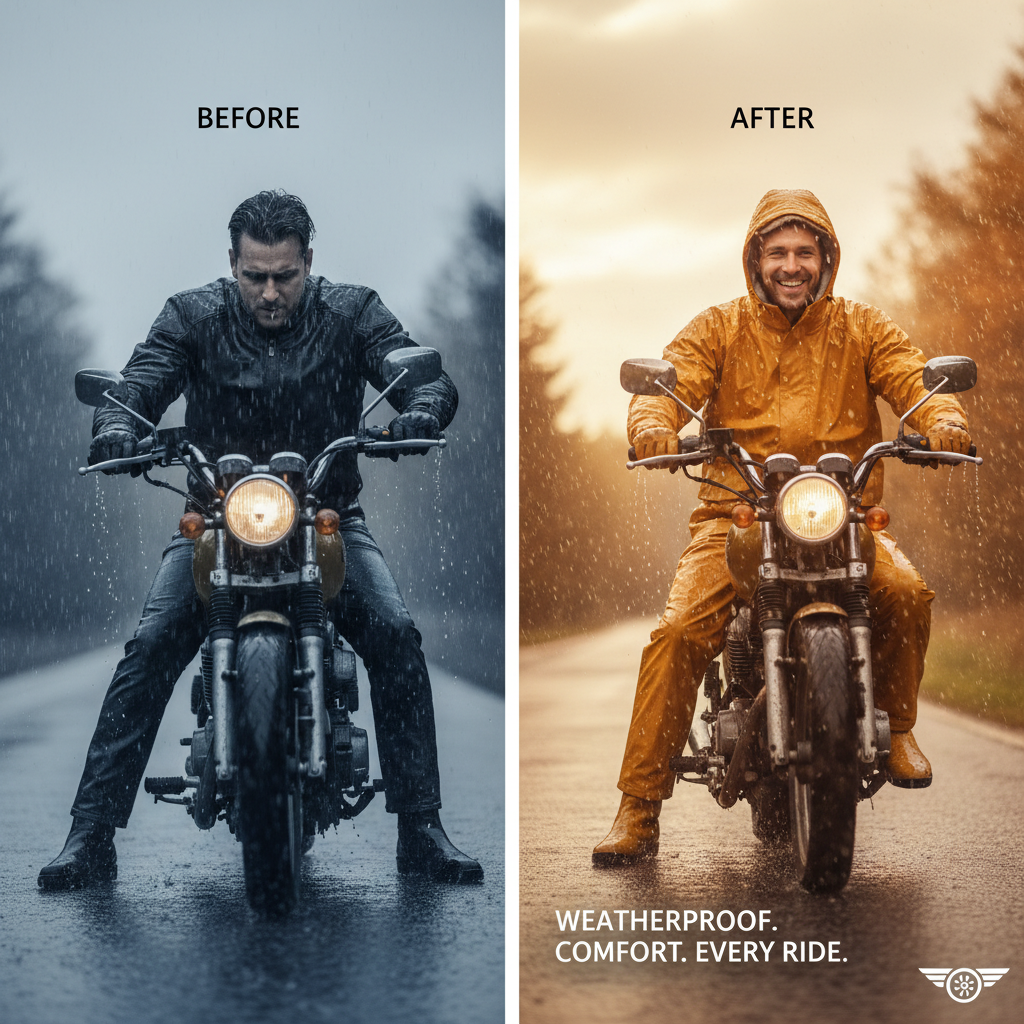
The core effectiveness of a professional rain poncho lies in its fabric composition. This specific model utilizes high-grade polyester treated with a waterproof coating, which creates a barrier against water penetration while remaining lightweight. Unlike standard plastic disposables, the coated polyester provides a balance of breathability and wind-proofing, essential for users who are active or riding during adverse weather conditions.
Safety is augmented through the integration of reflective materials. In industrial or riding scenarios, visibility is a non-negotiable requirement. The reflective elements are strategically placed to ensure that the wearer is visible from multiple angles, significantly reducing the risk of accidents in rain-slicked environments. The use of a half-zipper flap further enhances the garment's utility, allowing for quick donning and doffing without compromising the waterproof seal at the chest.
- Waterproof Coating: Prevents moisture ingress while maintaining fabric flexibility.
- Windproof Architecture: Reduces heat loss caused by wind chill during outdoor activities.
- Reflective Visibility: High-contrast strips designed for low-visibility operational safety.
- Material Durability: Polyester construction ensures longer wear-cycles compared to PVC alternatives.

Operational Applications and User-Centric Design Requirements
A "one size fits most" approach is often requested for bulk procurement to simplify inventory management. However, the utility of the rain poncho extends beyond simple size. For riding applications, the poncho is designed to drape over the shoulders and torso, providing a shield that prevents water from seeping into the inner clothing layers. The green color is a standard high-visibility option, though OEM customization allows for brand-specific colors to meet corporate identity requirements.
From a buyer's perspective, the value is found in the versatility of the application. These ponchos are ideal for:
- Logistics and Delivery: Protecting couriers and riders during city transit.
- Outdoor Event Management: Providing staff with uniform, waterproof, and visible attire.
- Industrial Site Safety: Ensuring workers are identifiable and dry during inclement weather.
Manufacturing Excellence and Quality Control Frameworks
Consistent quality in rainwear is achieved through rigorous inspection standards. By adhering to AQL 2.5-4.0 inspection standards, manufacturers can guarantee that fabric consistency, stitching integrity, and accessory quality remain uniform across large batches. This is particularly important for waterproof garments where a single failed seam can render the entire product ineffective.
The production process involves advanced machinery to handle different polyester weights and coating applications. Environmental fabric considerations are now integrated into the manufacturing cycle to meet international sustainability goals. Furthermore, compliance with audits such as BSCI and SMETA 4P ensures that the supply chain is ethical and transparent, which is a critical requirement for European and North American corporate buyers.
Customization capabilities, including Pantone color matching and diverse packaging options (such as self-sealing PE bags or Opp bags with holes), allow for seamless integration into a distributor's existing retail or distribution network. This level of OEM flexibility ensures that the product meets the specific market demands of different regions.
Procurement Evaluation Matrix for Waterproof Ponchos
| Evaluation Factor | Standard PVC Poncho | Coated Polyester Poncho | Professional Grade Requirement |
|---|---|---|---|
| Water Resistance | High (Non-breathable) | Very High | Waterproof & Breathable |
| Durability | Low (Prone to Tearing) | Medium to High | High Tensile Strength |
| Visibility | Basic / None | Integrated Reflective | Certified Reflective Strips |
| Comfort | Poor (Sweat Trapping) | Good | Optimal Thermal Regulation |
| Cost Efficiency | Very Low | Moderate | Value-based ROI |
Strategic Sourcing and Cost Optimization for Bulk Orders
When evaluating the water fighter raincoat price, procurement professionals must look beyond the unit cost and consider the Minimum Order Quantity (MOQ) and lead times. For this specific reflective poncho, an MOQ of 1,000 pieces per color is typical for customized orders, ensuring that the manufacturing line is optimized for efficiency and cost-reduction.
To optimize costs, buyers should consider the following factors:
- Material Selection: Choosing the appropriate polyester weight for the intended environment.
- Printing Complexity: Standard one-color logos are more cost-effective than full-color custom prints.
- Packaging Requirements: Simple PE bags reduce cost compared to complex OEM retail packaging.
Future Trends in Protective Rainwear and Safety Apparel
The protective wear industry is moving toward "intelligent" materials. We are seeing a shift toward eco-friendly waterproof coatings that reduce chemical runoff during production without sacrificing performance. Additionally, the integration of higher-intensity reflective materials that provide 360-degree visibility is becoming a standard requirement for urban riding gear.
For enterprises, the trend is moving toward fully integrated supply chains where the manufacturer provides not only the garment but also the compliance documentation (BSCI, SMETA) required for global trade. As safety regulations tighten globally, the demand for certified, high-performance rainwear will continue to grow, favoring suppliers who invest in technical teams and quality management systems like ISO9001.
Frequently Asked Questions on Reflective Waterproof Gear
What material is most suitable for a durable riding rain poncho?
Polyester with a waterproof coating is highly recommended. It offers a superior balance of durability, wind resistance, and weight compared to traditional PVC, making it more suitable for long-term use in riding applications.
How does the reflective feature improve safety?
The reflective strips are designed to bounce light back to the source (such as vehicle headlights), making the wearer highly visible in dark or rainy conditions, which is critical for preventing accidents during nighttime operations.
Can I customize the logo and color for bulk orders?
Yes, OEM customization is available. You can specify Pantone colors for the fabric and place custom logos on the chest, front, or back. The MOQ for such customized orders is typically 1,000 pieces per color.
What quality certifications should I look for in a rainwear supplier?
Look for suppliers with BSCI and SMETA 4P audit certifications to ensure ethical manufacturing. Additionally, product-specific tests such as California 65 or EN71 are important for ensuring material safety and compliance.
What is the typical lead time for a customized rain poncho order?
Typically, sample production takes 3-10 days. Once the deposit is paid and all specifications are confirmed, the full delivery period is generally between 45 to 60 days.
Is the "one size fits most" design practical for all adults?
Yes, the poncho design is inherently oversized to allow it to fit various body types and to cover the user's clothing and equipment. However, custom sizing is also supported for specific corporate requirements.
Industry Resources and Technical References
- ISO Quality Management Systems Standards
- BSCI Compliance and Social Auditing Guidelines
- OSHA Guidelines for High-Visibility Safety Apparel
- Global Textile and Waterproofing Technology Trends
Selecting the right protective gear requires a detailed understanding of material science and a reliable manufacturing partner. By prioritizing quality standards and precise specifications, businesses can ensure the safety of their personnel while optimizing their procurement budgets.
Related Articles