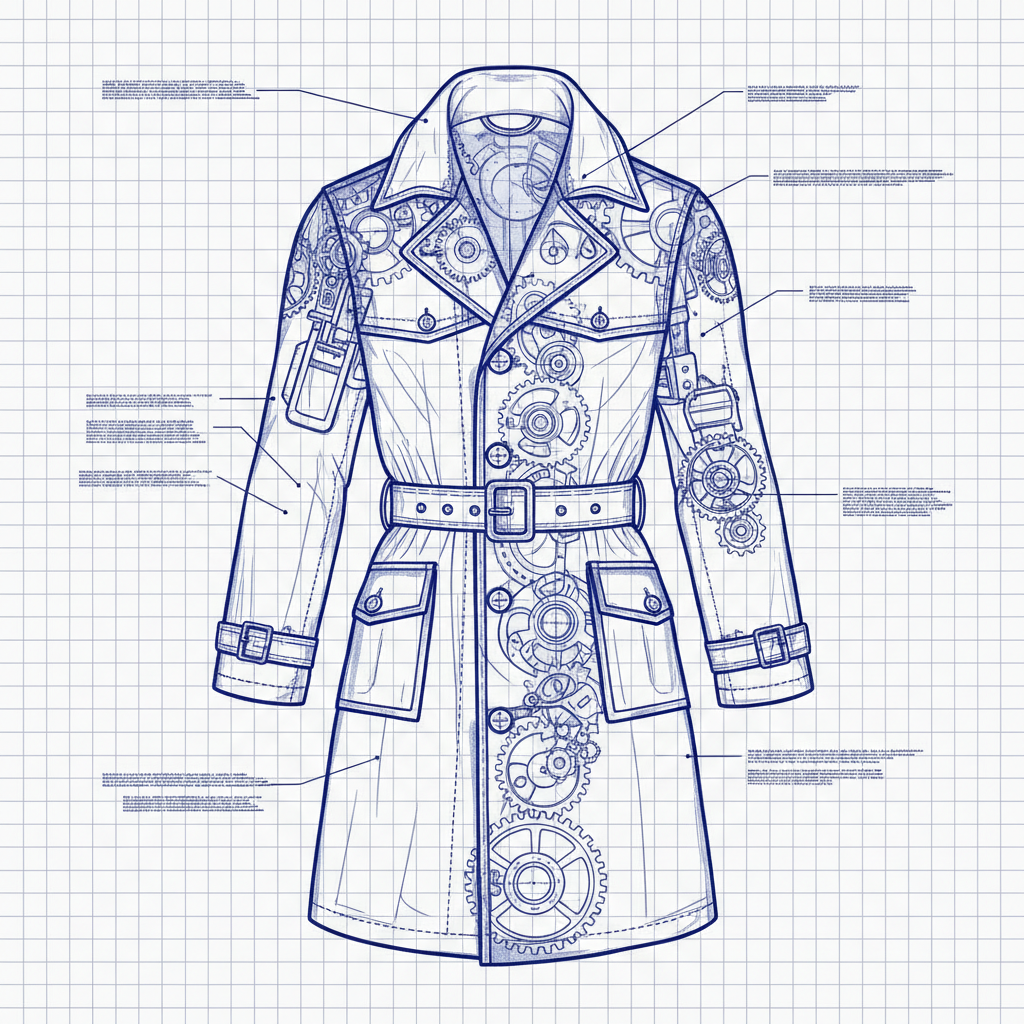
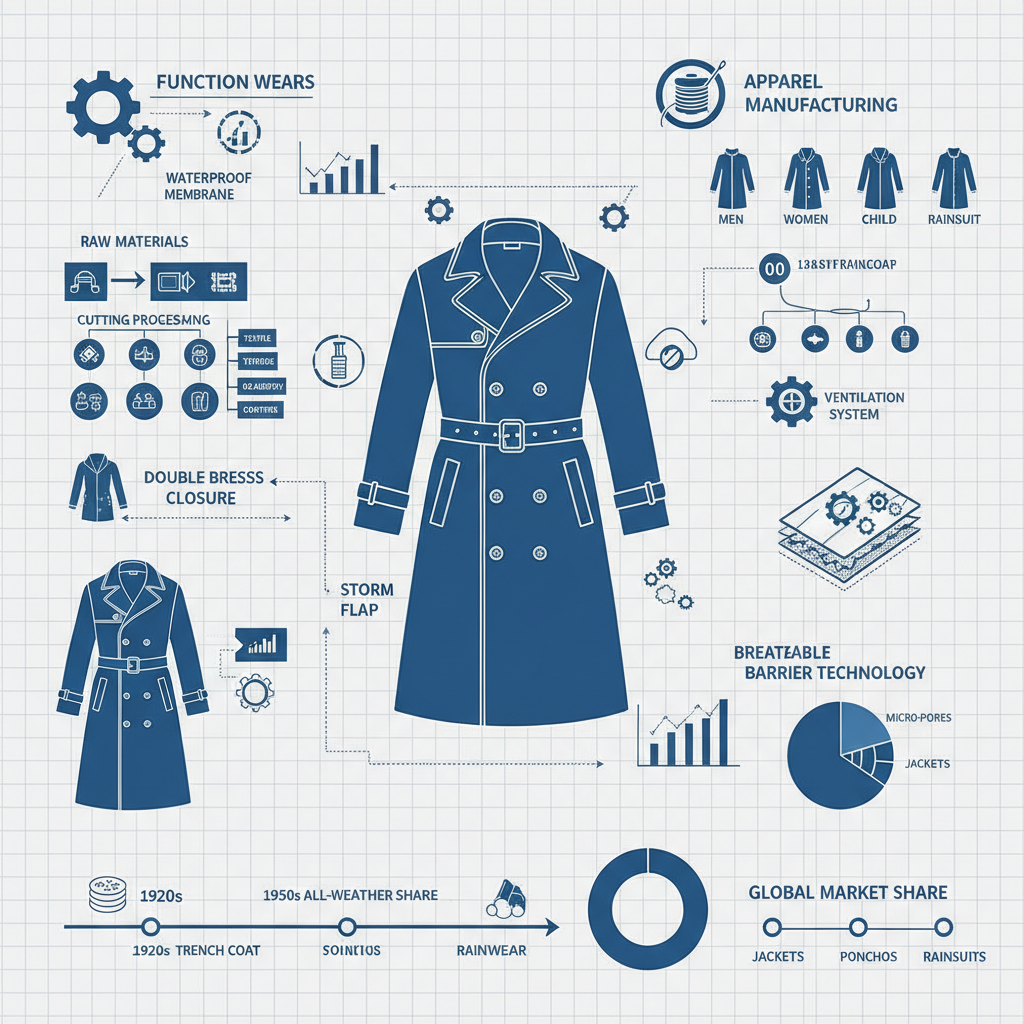
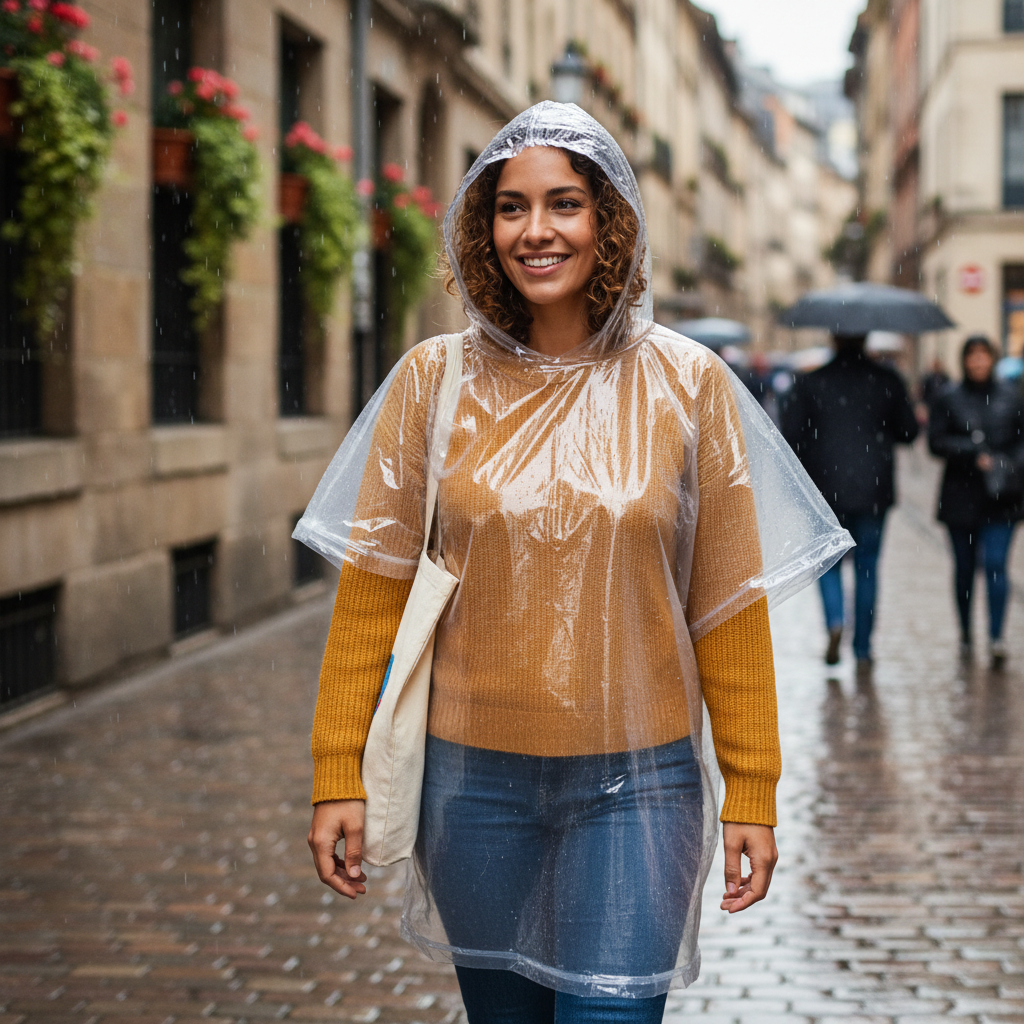
The concept of a classic raincoat transcends simple weather protection; it represents a timeless intersection of functional engineering and aesthetic heritage. In an era of fast fashion, the enduring appeal of a well-crafted raincoat lies in its ability to provide reliable shelter from the elements while maintaining a professional and polished silhouette. Understanding the nuances of material science and design is key to choosing a garment that balances breathability with absolute water resistance.
Globally, the demand for high-quality rainwear has surged as urban populations face increasingly unpredictable weather patterns due to climate shifts. From the rainy seasons of Southeast Asia to the misty mornings of London, the classic raincoat remains an essential tool for maintaining productivity and health. By integrating modern textile innovations with traditional cuts, manufacturers are now producing gear that serves both the casual commuter and the industrial professional.
Investing in a premium raincoat is not merely a purchase but a strategic decision for long-term utility. The benefits extend beyond staying dry; it is about the confidence of being prepared for any atmospheric challenge without sacrificing style. In this comprehensive guide, we will explore the technical specifications, global applications, and future innovations that define the modern standard of the classic raincoat.
The Engineering Behind Classic Raincoat Materials
The foundation of any classic raincoat begins with the meticulous selection of polymers and weaving techniques. Traditionally, materials like rubberized cotton provided the first line of defense, but modern engineering has shifted toward high-density polyester and nylon infused with TPU (Thermoplastic Polyurethane) coatings. These materials are engineered to create a hydrophobic barrier that prevents water droplets from penetrating the fabric while maintaining a lightweight feel.
Beyond simple waterproofing, the focus has shifted toward "breathability"—the ability of the fabric to allow internal moisture vapor to escape. This is achieved through microporous membranes that are small enough to block liquid water but large enough to let air molecules pass through. This technical balance ensures that the wearer remains dry from both external rain and internal perspiration, a hallmark of a professional-grade classic raincoat.
Defining the Standards of a Classic Raincoat
At its core, a classic raincoat is defined by its ability to provide total protection without hindering the user's movement. Unlike temporary ponchos or heavy industrial gear, a classic design emphasizes a tailored fit, adjustable hoods, and reinforced seams. These elements work in harmony to ensure that water sheds quickly off the surface of the garment rather than pooling in folds or leaking through stitch lines.
From an industry perspective, the standard for a high-quality raincoat is often measured by its "water column" rating, which indicates how much water pressure the fabric can withstand before leaking. A true classic garment is designed for versatility, bridging the gap between a casual outdoor jacket and a technical piece of protective equipment. This versatility makes it indispensable for diverse demographics, from city dwellers to field researchers.
In the context of modern humanitarian and industrial needs, the definition of a classic raincoat has expanded to include eco-friendly certifications. Today, the gold standard includes PFC-free (Perfluorinated Chemicals) water repellents, ensuring that the garment protects the wearer without contaminating the environment. This evolution demonstrates how traditional design can adapt to meet contemporary ethical and ecological requirements.
Key Components for Maximum Durability
The longevity of a classic raincoat depends heavily on the integrity of its seams. Heat-sealed or taped seams are critical; without them, the needle holes created during sewing become entry points for moisture. Professional manufacturers employ ultrasonic welding or specialized waterproof tapes to ensure a vacuum-tight seal across all structural joins.
Hardware selection is another pillar of durability for the classic raincoat. High-grade YKK zippers with water-resistant coatings and reinforced snap buttons prevent mechanical failure during extreme weather. When these components are paired with double-stitched hems, the garment can withstand years of daily use in harsh environments.
Finally, the outer DWR (Durable Water Repellent) finish plays a vital role in maintaining the performance of a classic raincoat. This chemical treatment causes water to bead up and roll off the surface, reducing the weight of the garment when saturated and preventing the "wet-out" effect that can make even waterproof fabrics feel cold and clammy.
Performance Metrics and Material Efficiency
Evaluating the efficiency of a classic raincoat requires a look at the trade-off between weight, waterproofness, and breathability. Higher density materials offer superior protection but can be restrictive. By utilizing tiered material layouts—where high-wear areas like shoulders are reinforced—manufacturers can optimize the weight-to-performance ratio.
The following data reflects the comparative performance of various classic raincoat construction methods, highlighting how different material approaches impact the overall user experience in terms of reliability and comfort.
Performance Comparison of Classic Raincoat Variants
Global Applications and Industry Use Cases
The versatility of the classic raincoat allows it to be adapted across various global sectors. In urban logistics and delivery services, high-visibility classic raincoats are essential for worker safety, combining reflective strips with waterproof shells to ensure visibility during torrential downpours in cities like Tokyo or New York.
In more extreme environments, such as remote industrial zones or post-disaster relief operations, the classic raincoat serves as a critical piece of personal protective equipment (PPE). It prevents hypothermia by shielding the body from wind-chill and moisture, allowing humanitarian workers to operate effectively in challenging climates where infrastructure may be compromised.
Long-Term Value and Sustainable Investment
From a financial and environmental perspective, investing in a high-quality classic raincoat is far more sustainable than the cycle of purchasing cheap, disposable alternatives. A premium garment designed for longevity reduces landfill waste and offers a lower "cost-per-wear" over time. The psychological value of reliability—knowing your gear will not fail during a storm—adds an intangible layer of trust and security.
Furthermore, the shift toward circular fashion means that many modern classic raincoat options are now made from recycled ocean plastics or biodegradable polymers. This transition ensures that the act of protecting oneself from the rain does not come at the expense of the planet, aligning consumer needs with global sustainability goals.
Ultimately, the long-term value lies in the marriage of form and function. A classic raincoat that retains its shape, color, and waterproof integrity after years of use becomes a reliable companion, embodying the principle of "slow fashion" where quality is prioritized over quantity.
Future Innovations in Waterproof Textiles
The future of the classic raincoat is being shaped by nanotechnology and biomimicry. Scientists are developing surfaces inspired by the "lotus effect," where microscopic structures on the fabric repel water and dirt so effectively that the garment virtually never needs washing. This could revolutionize the maintenance of professional rainwear.
Additionally, the integration of "smart textiles" is on the horizon. Imagine a classic raincoat with embedded sensors that can monitor the wearer's body temperature and automatically adjust ventilation levels. Such innovations would transform rainwear from a passive barrier into an active climate-control system, further enhancing comfort in extreme weather.
As automation in garment manufacturing increases, we can expect the classic raincoat to become more personalized. 3D body scanning and automated precision cutting will allow for perfect anatomical fits, eliminating the bulk often associated with waterproof gear and creating a seamless blend of high-fashion and high-function.
Comparative Analysis of Classic Raincoat Material Evolutions
| Material Generation |
Waterproof Method |
Breathability Score |
Environmental Impact |
| Traditional Rubber |
Heavy Coating |
2/10 |
High (Non-bio) |
| PVC / Vinyl |
Plastic Film |
1/10 |
Very High |
| PU Coated Polyester |
Polyurethane Layer |
5/10 |
Moderate |
| Microporous Membrane |
Teflon/ePTFE |
9/10 |
Moderate (PFCs) |
| Recycled PET / TPU |
Eco-Polymer |
7/10 |
Low (Sustainable) |
| Bio-Mimetic Nano-fabrics |
Surface Structuring |
10/10 |
Very Low |
FAQS
While umbrellas provide overhead cover, a classic raincoat offers full-body protection, including wind-proofing and warmth. It allows for hands-free movement, which is essential for commuters, workers, and travelers, and prevents rain from splashing up from the ground onto the wearer's lower body.
Water-resistant fabrics repel light rain but eventually soak through. A truly waterproof classic raincoat will have a waterproof membrane, heat-sealed seams, and a high water-column rating (e.g., 5,000mm or higher). Check for "taped seams" on the inside of the garment as a primary indicator of true waterproofing.
Yes, provided it uses microporous technology. High-end classic raincoat designs utilize membranes that allow sweat vapor to escape while blocking liquid water. For extra breathability in humid climates, look for models with underarm vents or adjustable breathability panels.
Avoid harsh detergents and fabric softeners, as they can clog the breathable pores or strip the DWR coating. Use a specialized technical wash and rinse with cool water. For most classic raincoat models, a damp cloth for spot cleaning is sufficient to maintain the garment's longevity.
Absolutely. Modern recycled polyester (rPET) and TPU can be engineered to match the tensile strength and waterproof ratings of virgin materials. Many sustainable classic raincoat options now outperform older traditional plastics in both durability and eco-impact.
Yes, most professional manufacturers offer customization options including logo embroidery or screen printing. When customizing a classic raincoat, it is important to use waterproof inks or placement that does not compromise the sealed seams of the garment.
Conclusion
The classic raincoat is far more than a simple garment; it is a sophisticated piece of equipment that balances textile science with timeless design. From the critical importance of taped seams and DWR finishes to the emergence of bio-mimetic fabrics, the evolution of rainwear reflects our broader commitment to durability, efficiency, and environmental stewardship. By prioritizing quality materials and ergonomic construction, users can ensure they remain protected and professional regardless of the weather.
Looking forward, the integration of smart technology and circular economy principles will continue to elevate the classic raincoat from a seasonal necessity to a permanent pillar of sustainable fashion. We encourage consumers and industry partners to invest in gear that respects both the wearer and the planet. To explore our full range of professional weather protection, visit our website: www.mayraincoat.com.
 rainwears@163.com may@may-rain.com
 Mon to Friday: 8.00 am - 7.00 pm