Finding a cheap yellow raincoat that balances affordability with genuine weather protection is a common challenge for consumers globally. Whether it is for a sudden urban downpour, a child's rainy day at school, or a temporary solution for outdoor events, the demand for high-visibility, cost-effective rain gear remains constant across diverse climates.
The global apparel market has seen a significant shift toward "functional accessibility," where high-performance materials are no longer reserved for luxury outdoor brands. Today, the production of a cheap yellow raincoat utilizes advanced polymer blends and efficient manufacturing processes, ensuring that safety and dryness are accessible to everyone regardless of budget.
Understanding the nuances of material science—from PVC to lightweight EVA—allows buyers to distinguish between a disposable garment and a long-term value investment. By focusing on the intersection of cost-efficiency and durability, users can secure a reliable cheap yellow raincoat that serves its purpose without compromising on environmental or safety standards.
Global Market Demand for Affordable Rainwear
The global demand for a cheap yellow raincoat is driven by the necessity for high visibility and immediate protection. In many industrial sectors, yellow is the gold standard for safety, ensuring that workers are seen in low-visibility rain conditions, which significantly reduces workplace accidents.
Beyond industrial use, the rise of "fast-fashion" functional wear has made these garments staples in urban environments. The ability to mass-produce high-quality waterproof coatings has allowed manufacturers to lower prices while maintaining the integrity of the waterproof barrier, making safety accessible to the general public.
Defining the Standards of a Budget-Friendly Raincoat
A cheap yellow raincoat is not merely a "low-cost" item, but rather a product optimized for specific utility. In the textile industry, this means selecting materials that offer a high waterproof rating (hydrostatic head) without the expensive breathability membranes found in high-end mountaineering gear.
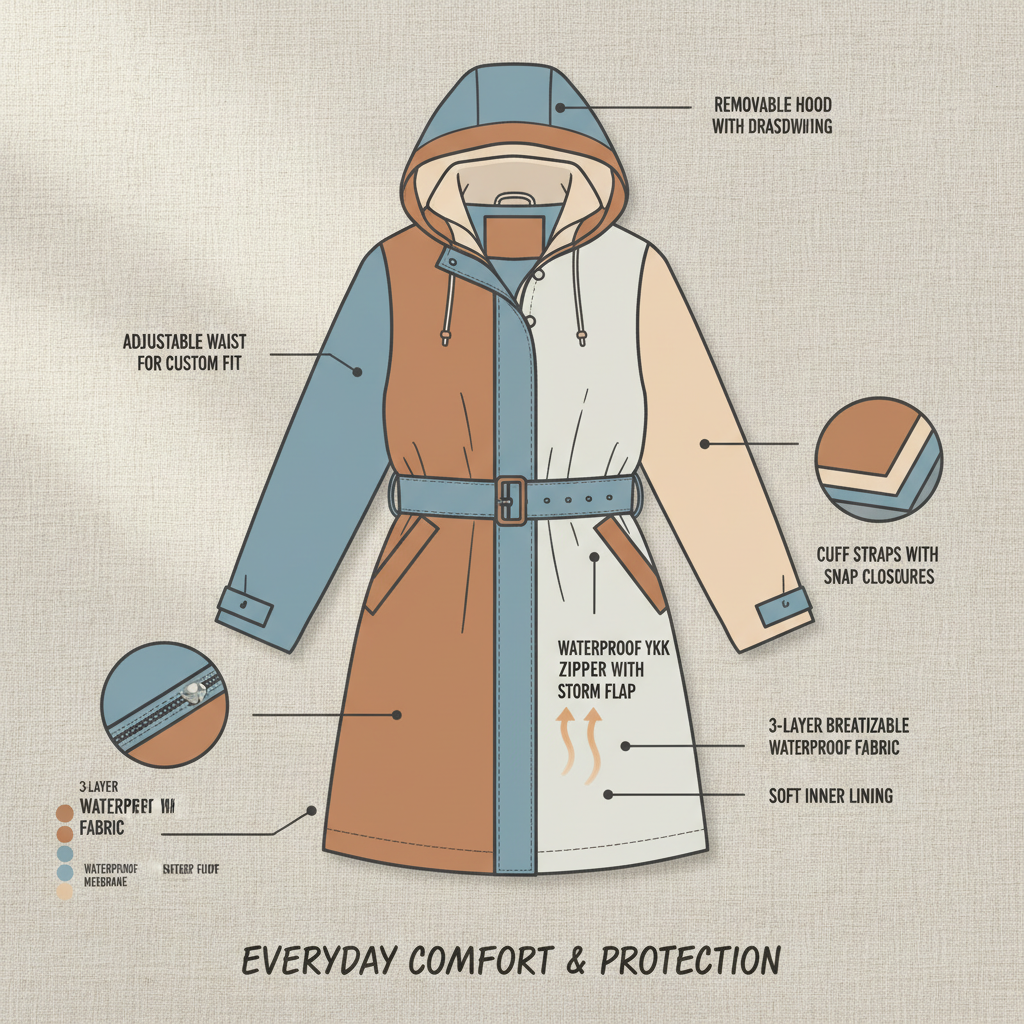
The core definition centers on "sufficient protection." For most users, a raincoat needs to withstand moderate to heavy rain for a few hours. By stripping away unnecessary features like multi-pocket systems or complex ventilation zips, brands can offer a streamlined, effective garment at a fraction of the cost.
Furthermore, the "yellow" aspect serves a dual purpose: it is both a stylistic choice rooted in nautical history and a critical safety feature. When these two factors—visibility and waterproofing—are combined in an affordable package, the result is a highly efficient tool for weather management.
Material Science and Cost Efficiency
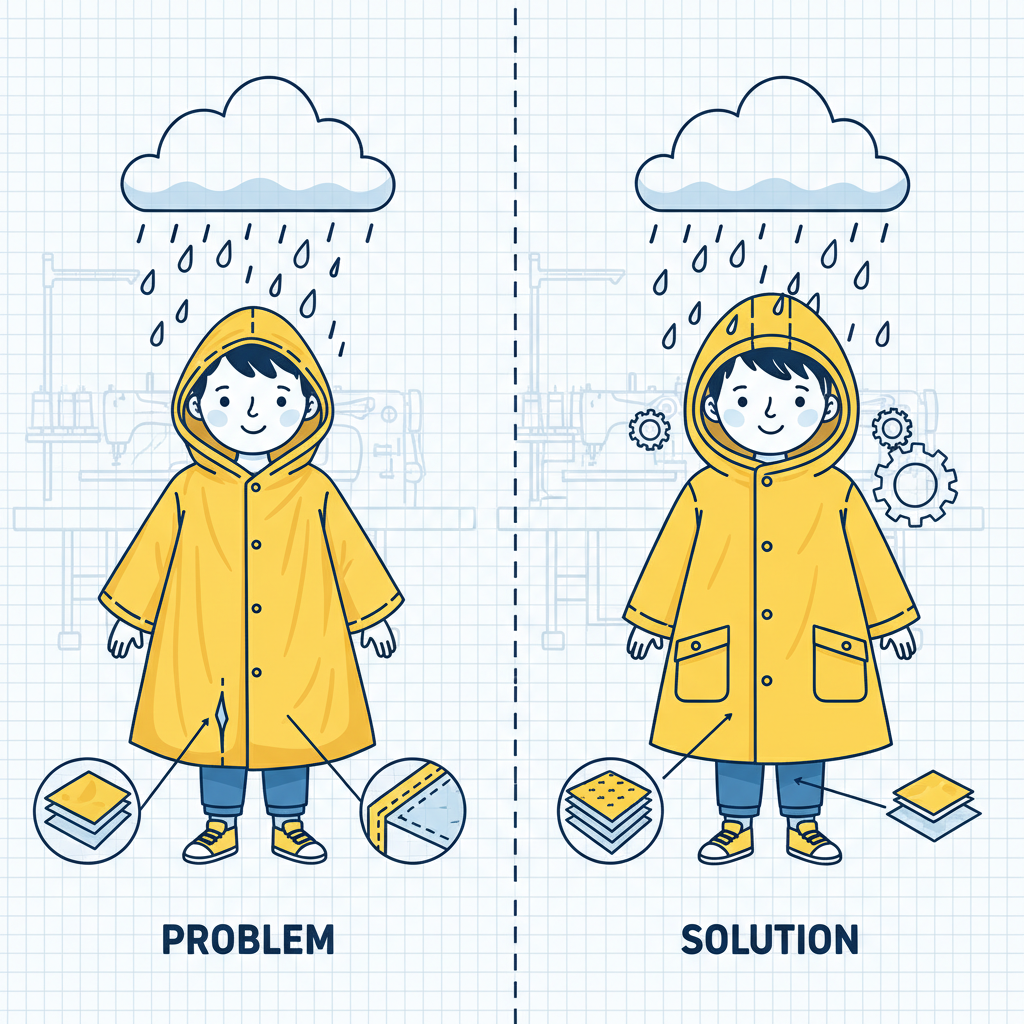
The primary driver behind the affordability of a cheap yellow raincoat is the shift toward EVA (Ethylene Vinyl Acetate) and advanced PVC. Unlike traditional rubberized fabrics, these materials can be heat-sealed or sonic-welded, eliminating the need for expensive stitched seams that often leak.
To achieve a truly effective cheap yellow raincoat, manufacturers balance the thickness of the polymer (measured in microns) with the flexibility of the garment. This ensures that the raincoat doesn't crack in cold weather while remaining lightweight enough for portable storage.
Innovations in non-toxic dyes have also allowed for the vibrant yellow hue to be integrated directly into the material rather than applied as a surface coating. This means a cheap yellow raincoat maintains its visibility even after prolonged exposure to UV rays and heavy rain.
Performance Metrics of various Raincoat Tiers
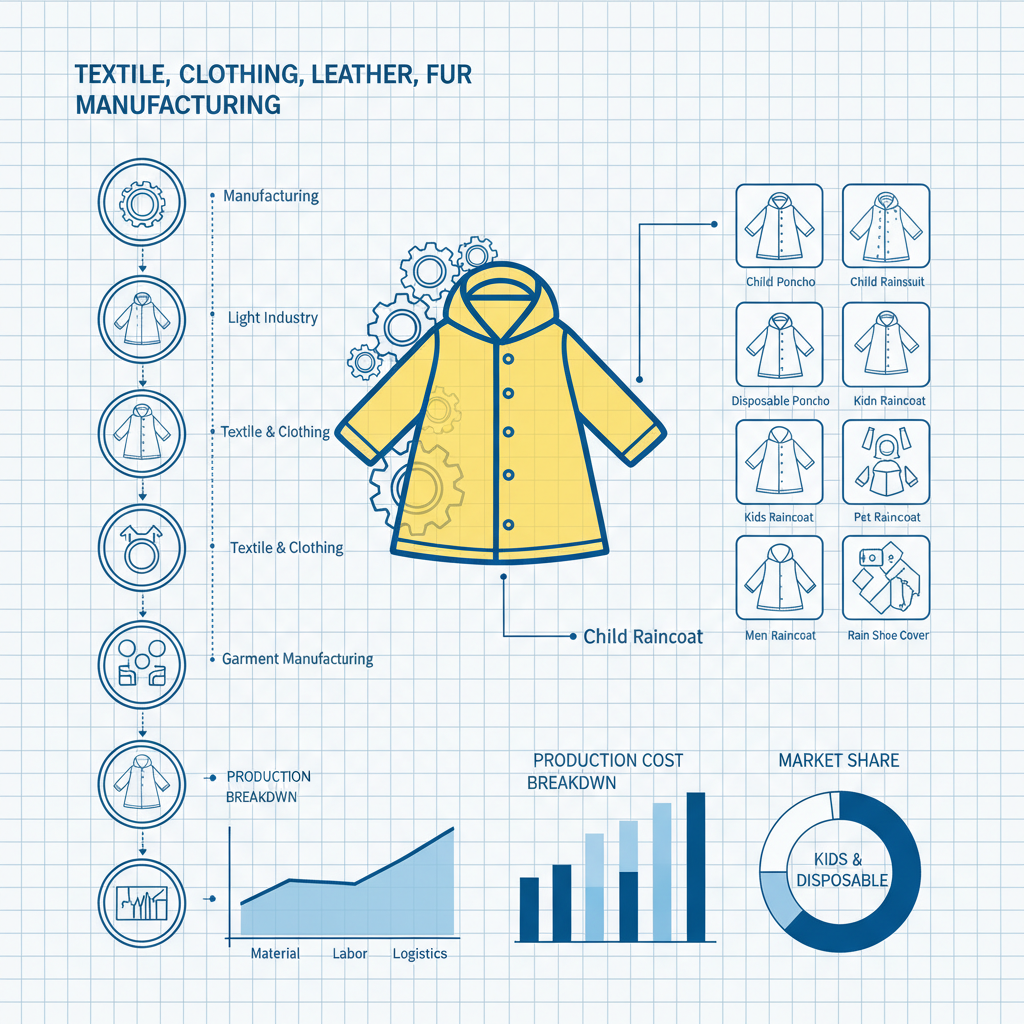
When evaluating a cheap yellow raincoat, it is essential to look at performance benchmarks such as water penetration resistance and tear strength. While a premium jacket might offer 20,000mm of water resistance, a budget-friendly version typically ranges between 5,000mm and 10,000mm, which is more than sufficient for daily commutes.
The following data illustrates how different budget-friendly iterations of the yellow raincoat perform across key user-experience metrics, proving that "cheap" does not have to mean "ineffective."
Performance Analysis of cheap yellow raincoat Variations
Real-World Applications and Use Cases
In disaster relief operations, the deployment of a cheap yellow raincoat can be a lifesaver. NGOs and government agencies often procure these in bulk to provide immediate protection to displaced populations in rainy climates, where hypothermia is a significant risk.
Similarly, in the tourism and event industry, providing a cheap yellow raincoat to attendees of outdoor festivals ensures that the experience remains positive despite weather fluctuations. The low cost allows event organizers to distribute them widely, maintaining both guest satisfaction and safety.
Long-Term Value and Social Impact
The social impact of providing a cheap yellow raincoat extends beyond simple rain protection; it provides dignity and health security. For low-income workers in the agricultural or delivery sectors, having a reliable waterproof layer prevents illness and allows for consistent productivity.
From a logical perspective, the long-term value is found in the "cost-per-use" ratio. A well-made, affordable raincoat that lasts two seasons is more sustainable and economical than a luxury jacket that is too precious to be used for dirty, everyday tasks.
Moreover, the high-visibility nature of the yellow color acts as a passive safety system. In urban traffic or construction zones, a cheap yellow raincoat ensures the wearer is visible to drivers, reducing the likelihood of accidents during storm-induced low visibility.
Future Innovations in Sustainable Rainwear
The future of the cheap yellow raincoat lies in the transition to bio-based polymers. Research is currently focusing on corn-starch based PLA (Polylactic Acid) and other biodegradable materials that maintain waterproof integrity but decompose far faster than traditional plastics.
Automation in the garment industry, specifically the use of 3D knitting and robotic heat-sealing, is further driving down costs. This means the next generation of affordable rainwear will likely feature better ergonomic fits and improved breathability without increasing the price point.
Ultimately, the goal is a circular economy where a cheap yellow raincoat can be fully recycled back into raw pellets at the end of its life, eliminating the environmental footprint associated with disposable rain gear.
Comparative Analysis of Raincoat Material Efficiency
|
Material Type
|
Waterproof Level
|
Production Cost
|
Durability Score
|
| Standard PVC |
Extreme |
Very Low |
6/10 |
| Eco-friendly EVA |
High |
Low |
7/10 |
| Recycled Polyester |
Medium-High |
Medium |
8/10 |
| Coated Nylon |
High |
Medium |
9/10 |
| Biodegradable PLA |
Medium |
Low-Medium |
5/10 |
| Hybrid Blend |
Extreme |
Medium |
8/10 |
FAQS
PVC is generally more waterproof and heavier, making it ideal for industrial use, but it can be stiffer. EVA is a softer, more flexible, and eco-friendly alternative that is lighter and more comfortable for casual wear, though slightly less durable under extreme abrasion.
Most budget yellow raincoats are fully waterproof because they use non-porous materials like EVA or PVC. Water-resistant garments usually have a coating that eventually lets water through; however, a properly sealed budget raincoat will keep you dry in moderate to heavy rain.
To extend the life of your raincoat, avoid washing it in a machine. Instead, wipe it down with a damp cloth and mild soap. Store it in a cool, dry place away from direct sunlight to prevent the polymer from becoming brittle over time.
Yes, absolutely. Yellow is one of the most visible colors in the spectrum, especially during the grey, low-light conditions of a rainstorm. This significantly increases your visibility to motorists, making it a critical safety choice for urban commuters.
Yes, many manufacturers now offer EVA raincoats, which are more sustainable than traditional PVC. Additionally, look for garments made from rPET (recycled polyethylene terephthalate), which transforms plastic bottles into waterproof fabrics.
Depending on the material, yes. PVC-based affordable raincoats are excellent for short-term heavy-duty work. However, for full-time industrial labor, we recommend a hybrid blend that offers both the waterproofing of PVC and the tear strength of nylon.
Conclusion
The cheap yellow raincoat represents a perfect synergy between functional utility and economic accessibility. By leveraging modern material science and streamlined production, it provides essential weather protection, high visibility for safety, and a low barrier to entry for users across all demographics, from industrial workers to casual commuters.
As we move toward a more sustainable future, the evolution of these garments into biodegradable and recycled forms will further enhance their value. We encourage buyers to prioritize materials like EVA for casual use and reinforced PVC for durability. For high-quality, budget-friendly rain protection, visit our website: www.mayraincoat.com.
 rainwears@163.com may@may-rain.com
 Mon to Friday: 8.00 am - 7.00 pm