rainwears@163.com may@may-rain.com
 Mon to Friday: 8.00 am - 7.00 pm
 rainwears@163.com may@may-rain.com Mon to Friday: 8.00 am - 7.00 pm


The belted raincoat, a staple in wardrobes globally, isn’t just a garment; it's a testament to practical design meeting evolving needs. From its historical roots as a functional protector against the elements to its modern iterations as a fashion statement, the belted raincoat remains a consistently relevant item. Understanding its construction, materials, and applications is crucial for anyone involved in apparel, outdoor gear, or even emergency preparedness. This understanding can lead to better design choices, improved product quality, and a greater appreciation for its enduring utility.
Globally, the demand for waterproof outerwear, including the belted raincoat, is consistently high, driven by climate change and increasing rainfall in many regions. The UN estimates that extreme weather events are on the rise, necessitating reliable protection from the elements. According to the World Bank, investments in disaster preparedness are crucial, and a simple, effective solution like a belted raincoat can significantly mitigate the impact of adverse weather on vulnerable populations. The ISO standards for waterproof textiles are constantly evolving, pushing manufacturers to innovate and improve their products.
However, challenges remain in ensuring affordability and accessibility, especially in developing countries where the need is greatest. The belted raincoat addresses this issue by offering a relatively cost-effective solution compared to more complex weatherproof systems.
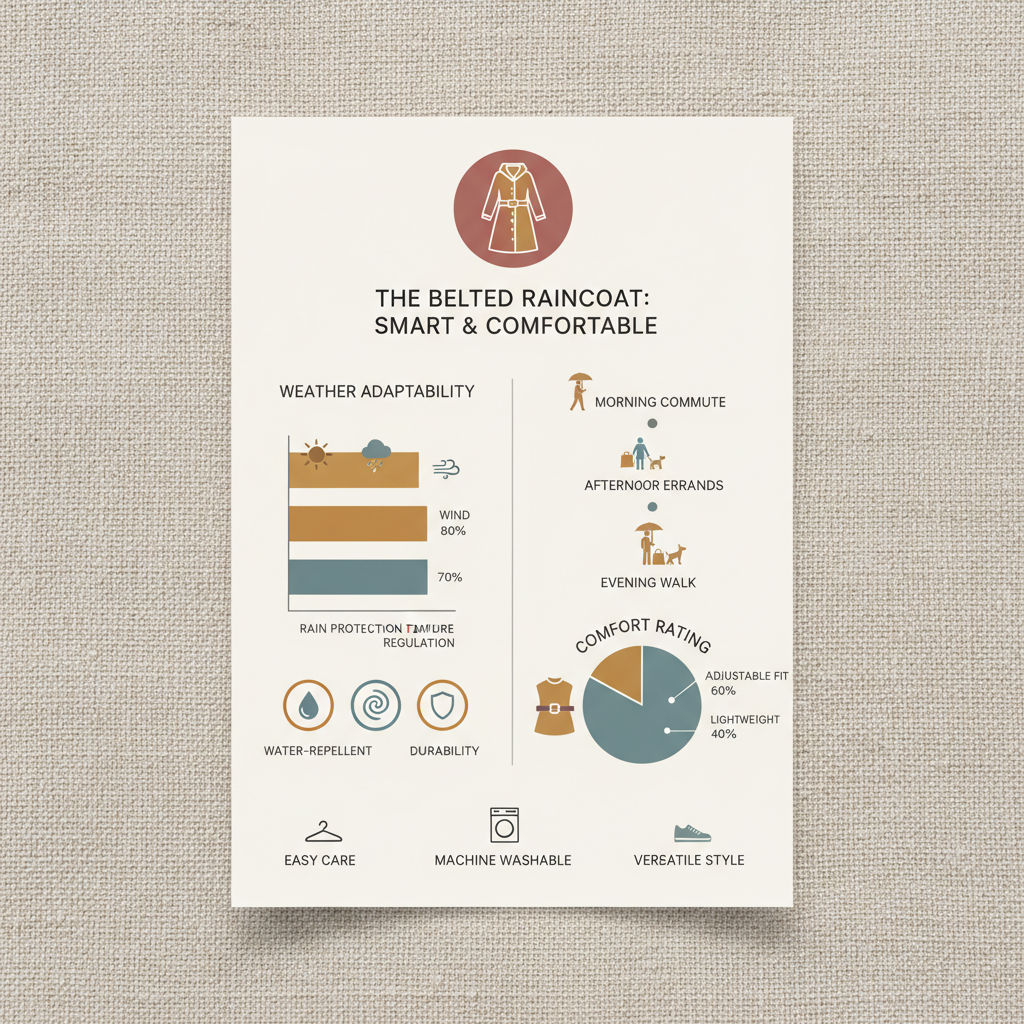
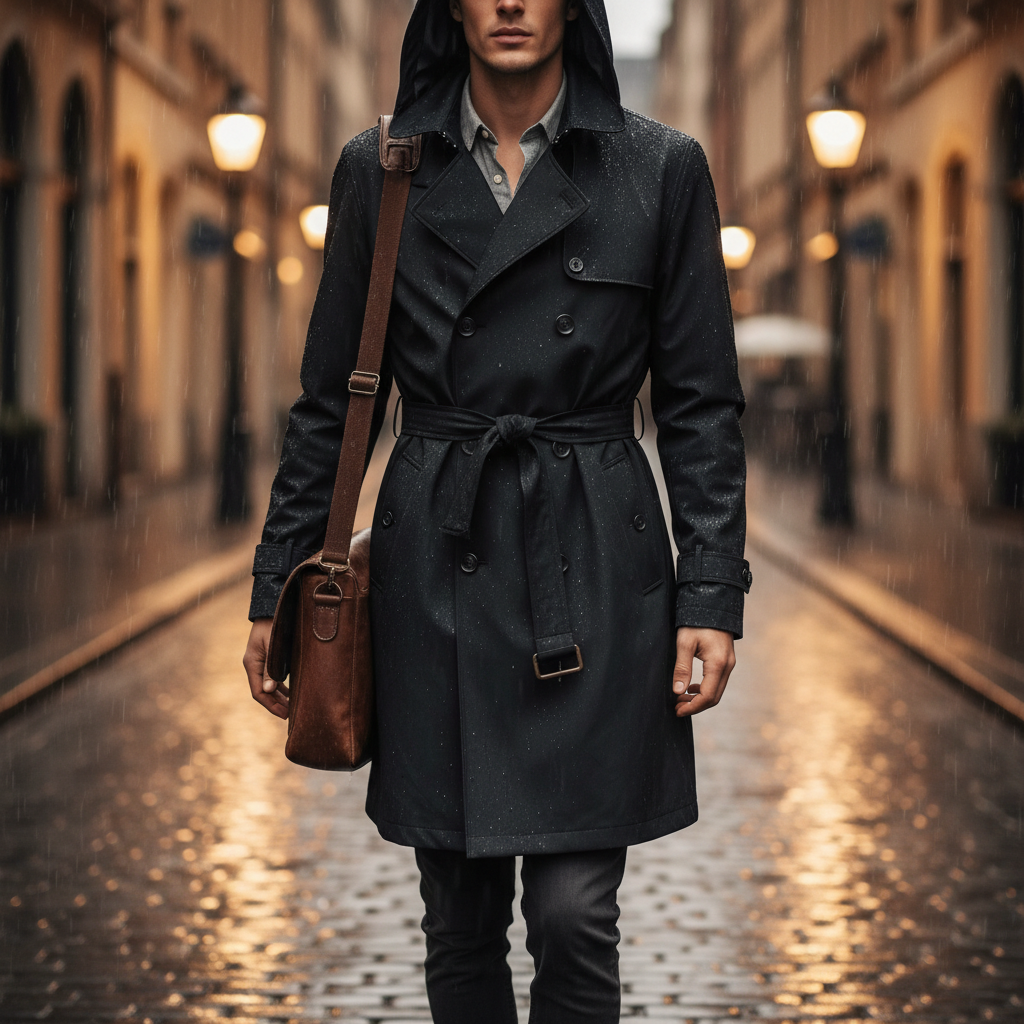
The belted raincoat’s enduring appeal lies in its simplicity and effectiveness. Its design, originating from military needs for weatherproof clothing, has been refined over decades, making it a go-to choice for both practical and stylish purposes. This classic design is more than just a fashion statement; it's a practical solution for protecting against varying weather conditions, ranging from light showers to heavy downpours.
Its continued relevance is also linked to the increasing awareness of sustainability and the desire for durable, long-lasting products. A well-made belted raincoat can withstand years of use, reducing the need for frequent replacements and minimizing environmental impact.
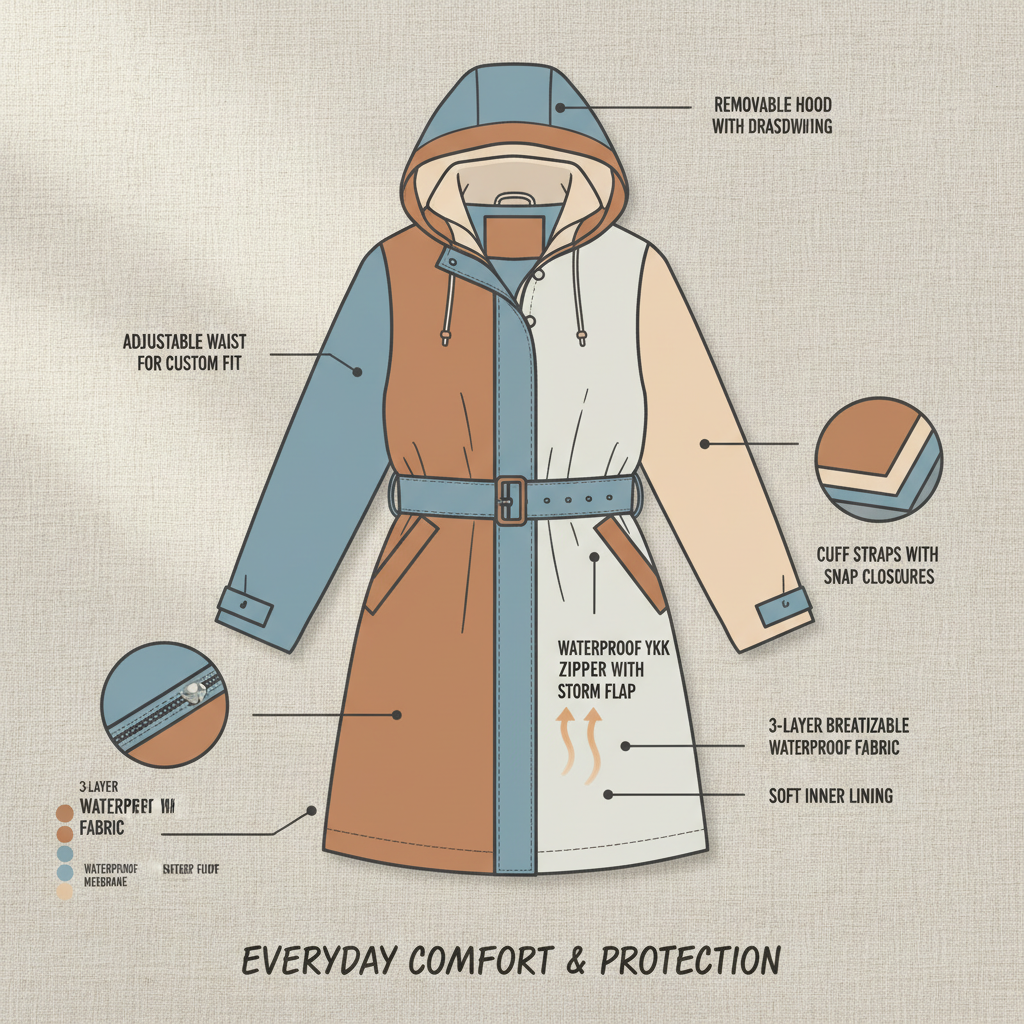
The belted design offers a customizable fit, sealing out rain more effectively than looser-fitting options. The belt provides a secure waist closure, preventing drafts and moisture penetration. The belted raincoat also offers a classic aesthetic and can be styled for various occasions, making it more versatile than purely functional rain gear. This also allows for layering underneath without compromising protection.
A waterproof rating of 2,000mm is suitable for light rain, while 10,000mm or higher is recommended for heavy rainfall and prolonged exposure. Consider your typical weather conditions and intended use. If you plan to use the raincoat for outdoor activities like hiking, opt for a higher rating. Also, look for fabrics with a durable water repellent (DWR) finish for added protection.
Bio-based waterproof fabrics, recycled polyester, and organic cotton (for linings) are among the most sustainable options. Look for certifications like GOTS (Global Organic Textile Standard) and Bluesign, which indicate environmentally responsible manufacturing processes. Also, consider the overall lifespan of the garment – a durable raincoat that lasts for years is inherently more sustainable than a cheaper option that needs frequent replacement.
Follow the manufacturer's care instructions carefully. Generally, avoid washing the raincoat too frequently, as this can degrade the waterproof coating. Use a mild detergent specifically designed for waterproof fabrics. Avoid using fabric softeners or bleach. Allow the raincoat to air dry, as heat can damage the materials. Periodically reapply a DWR treatment to maintain its water repellency.
Belted raincoats can be flattering for a wide range of body types. The belt allows for cinching at the waist, creating a more defined silhouette. Different lengths and cuts are available to suit various preferences. Look for styles with adjustable features, such as drawstring hoods and cuffs, for a customized fit. Consider the overall style and length that best complements your figure.
DWR stands for Durable Water Repellent. It's a coating applied to the outer fabric of a raincoat to cause water to bead up and roll off, rather than soaking in. This prevents the fabric from becoming saturated, maintaining its breathability and preventing the wearer from getting wet. DWR needs to be periodically reapplied, as it wears off over time with use and washing.
The belted raincoat remains a remarkably versatile and enduring garment, blending practicality, style, and increasingly, sustainability. From its historical origins to its cutting-edge innovations, it continues to adapt to evolving needs and environmental concerns. Understanding its key components, performance factors, and future trends is essential for manufacturers, consumers, and anyone seeking reliable protection from the elements.
As we look ahead, advancements in materials science and manufacturing will undoubtedly lead to even more durable, sustainable, and functional belted raincoats. Prioritizing quality, investing in innovative technologies, and embracing circular economy principles will ensure that the belted raincoat continues to be a valuable and responsible choice for generations to come. Visit our website to explore our collection of high-quality belted raincoats: belted raincoat.