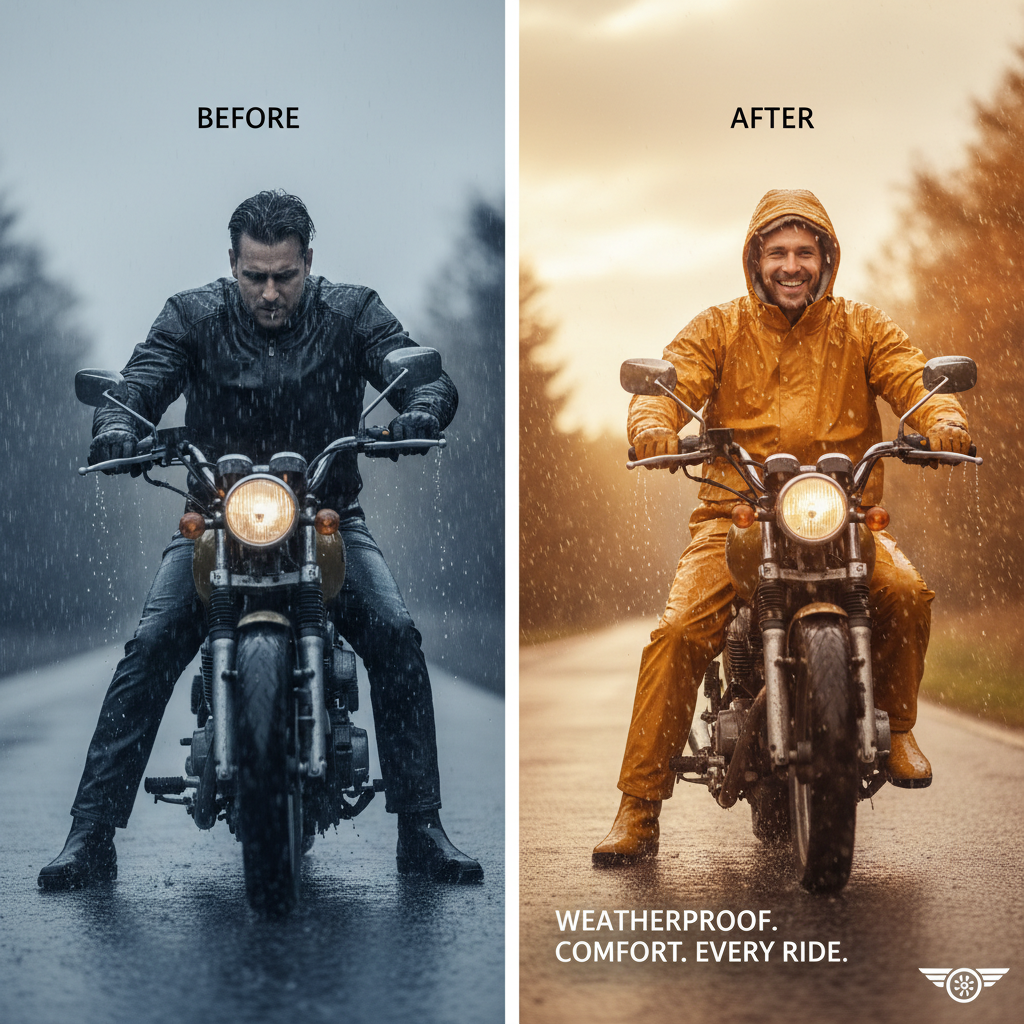
Look, I've spent the last twenty years knee-deep in dust and concrete, watching things get built. From skyscrapers to simple shelters, I’ve seen what holds up and what falls apart. And let me tell you, a good camel raincoat isn’t just about staying dry – it's about keeping your crew working, keeping morale up, and keeping projects on schedule. A soaked team is a slow team, a miserable team. We’re talking about efficiency, safety, and frankly, just plain common sense. It's a small investment for a huge return.
It's easy to underestimate something seemingly simple like weather protection. But I've seen projects delayed for days because of torrential downpours, all because the crew didn't have reliable, durable rain gear. It impacts everything – electrical work, masonry, steel erection. Everything stops. A quality camel raincoat solves a real problem, preventing costly delays and ensuring a consistent workflow.
We’re not talking about fashion here, we're talking about function. And function, on a construction site, means ruggedness, waterproofing, and visibility. The camel raincoat needs to stand up to abrasion, punctures, and constant use. It needs to keep the rain out and the worker comfortable enough to focus on the job.
The Importance of Weather Protection on Construction Sites
I’ve seen enough weather to last a lifetime, and on a construction site, it’s never predictable. A sudden downpour can shut down an entire operation. It's not just the rain itself; it's the mud, the increased risk of slips and falls, the damage to materials. A solid camel raincoat isn’t a luxury, it’s a necessity for maintaining a safe and productive work environment. It's basic risk management, plain and simple.
Think about electrical work, especially. Water and electricity don’t mix, and a wet crew is a dangerous crew. A good raincoat provides a vital layer of protection, minimizing the risk of electrocution and other weather-related hazards. It’s a small price to pay for peace of mind and the safety of your team.
Defining a Robust Camel Raincoat
When I talk about a “robust” camel raincoat, I’m not talking about something you’d wear to a baseball game. I’m talking about a piece of gear designed to withstand the rigors of a construction site. This means heavy-duty materials, reinforced seams, and a design that allows for a full range of motion without sacrificing protection. It needs to hold up to constant bending, stretching, and abrasion.
It's about more than just waterproofing, too. Breathability is crucial. If a raincoat doesn’t allow moisture to escape, you end up with a sweaty, uncomfortable crew, which leads to decreased performance and potential health issues. You need something that balances waterproofness with breathability.
And let's not forget visibility. Construction sites are often chaotic environments with heavy machinery and moving equipment. A bright, high-visibility camel raincoat is essential for ensuring that workers are seen, especially in low-light conditions.
Core Components of a Construction-Grade Raincoat
The foundation of any good camel raincoat starts with the fabric. You want something like a heavy-duty polyurethane or PVC-coated nylon. These materials are incredibly durable and provide excellent waterproof protection. But don’t skimp on quality; cheaper materials will tear and leak quickly.
Then you have the seams. This is where a lot of raincoats fail. You need taped seams – where the fabric edges are sealed to prevent water from seeping through. Reinforced stitching is also key, especially in high-stress areas like the shoulders and elbows. I’ve seen raincoats literally fall apart at the seams after only a few weeks of use.
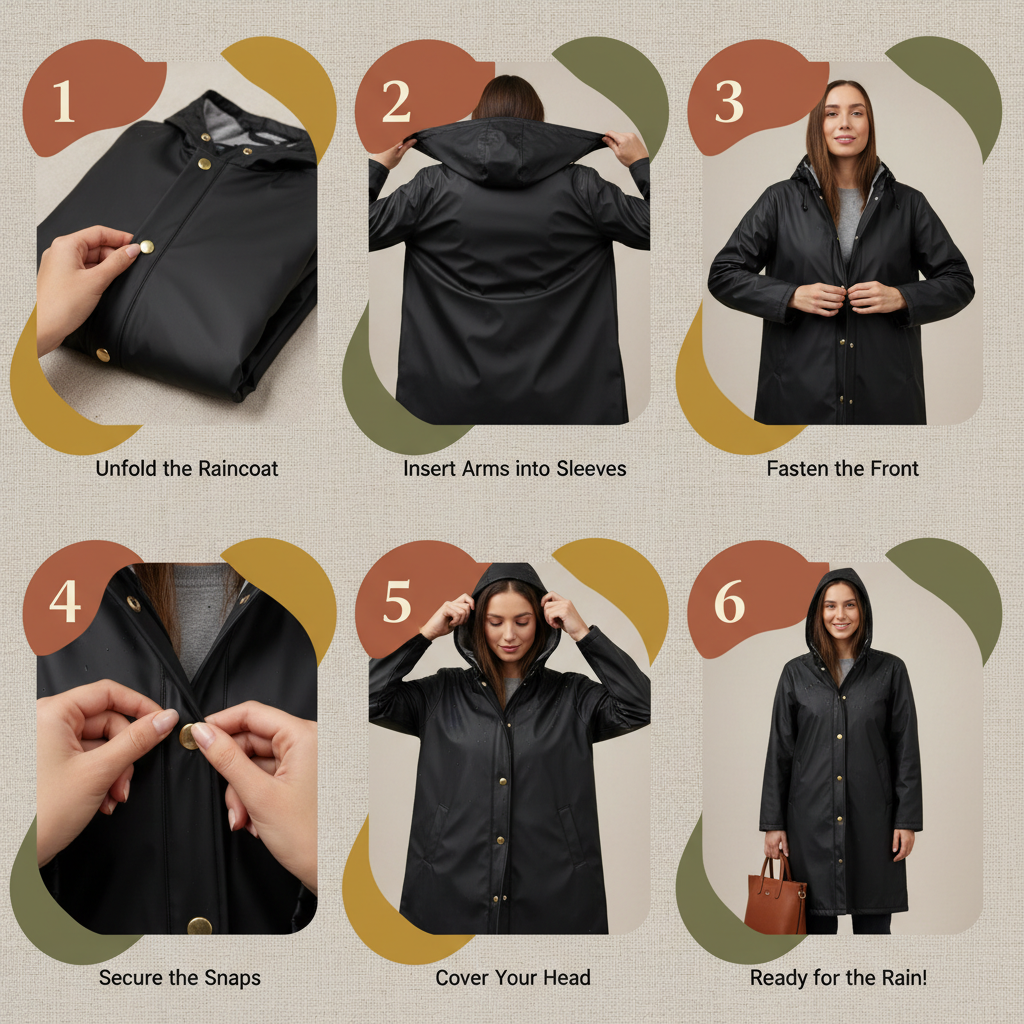
Finally, the design is crucial. A good raincoat should have a hood that adjusts snugly around the head, cuffs that seal tightly around the wrists, and a storm flap over the zipper to prevent water from entering. Pockets are also important – workers need a place to store small tools and personal items without getting them wet.
Durability and Material Science in Camel Raincoats
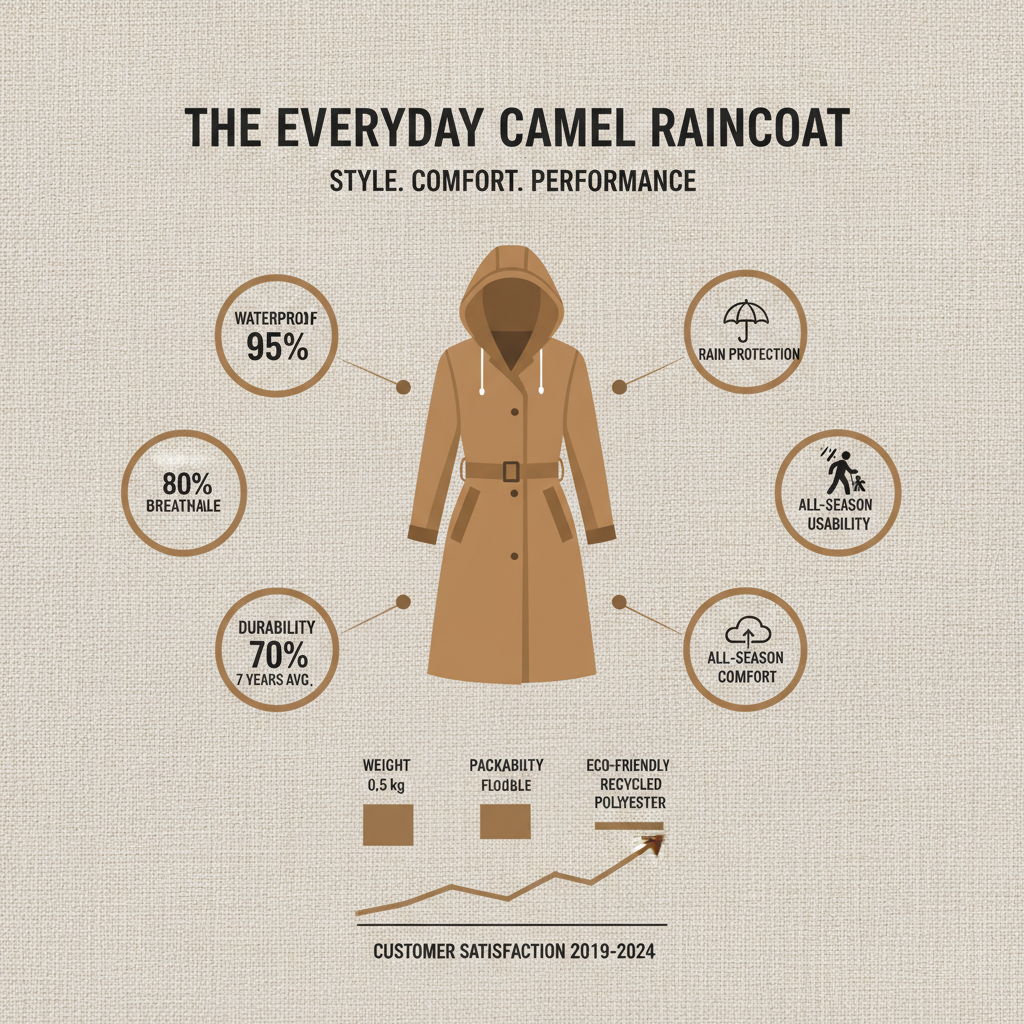
Let’s talk materials science for a minute. The denier of the nylon or polyester used in a camel raincoat is important. Higher denier means a thicker, more durable fabric. Look for something above 300D, ideally 600D or higher for really demanding conditions.
PVC coatings are great for waterproofing, but they can be stiff and less breathable. Polyurethane coatings offer a better balance of waterproofness and breathability, but they may not be quite as durable. Newer materials like TPU (thermoplastic polyurethane) are gaining traction – they offer excellent waterproofness, breathability, and durability, but they tend to be more expensive.
Durability Ratings of Common Raincoat Materials
Global Applications: From Urban Builds to Remote Projects
I’ve seen these camel raincoats used everywhere. From the high-rises going up in Manhattan to remote pipeline construction in Alaska, the need for reliable weather protection is universal. In post-disaster relief, keeping workers dry and warm isn’t just about comfort – it's about their ability to effectively respond and rebuild.
I recently worked on a project in the Middle East where the temperature swings were extreme – scorching heat during the day, torrential downpours at night. A good raincoat was the difference between a productive workforce and a complete standstill. The same goes for mountainous regions with unpredictable weather patterns.
Advantages: Cost Savings and Increased Productivity
Some folks see a camel raincoat as an expense. I see it as an investment. Think about the cost of a day’s delay on a construction project. It’s astronomical. A relatively inexpensive raincoat can prevent that delay, saving you money in the long run.
Increased productivity is another huge benefit. Workers who are comfortable and dry are simply more efficient. They can focus on their tasks without being distracted by the weather. And a happier, healthier workforce is always a more productive workforce.
There's also the safety aspect. Reducing the risk of slips, falls, and electrocution translates to fewer injuries and lower insurance costs. It’s a win-win all around.
Future Trends in Raincoat Technology
We’re starting to see some exciting developments in raincoat technology. New materials are being developed that offer even greater waterproofness, breathability, and durability. Smart fabrics with built-in heating elements are also emerging, providing warmth in cold and wet conditions.
I'm also keeping an eye on sustainable materials. There’s a growing demand for raincoats made from recycled materials and eco-friendly manufacturing processes. This is something that’s becoming increasingly important to our clients.
And expect to see more integration of technology – things like GPS tracking for safety and RFID tags for inventory management. The future of the camel raincoat is about more than just staying dry; it’s about enhancing safety, productivity, and sustainability.
Summary of Key Raincoat Performance Factors
| Material Type |
Waterproof Rating (mm) |
Breathability (g/m²/24h) |
Durability Score (1-10) |
| PVC Coated Nylon |
10,000+ |
5,000 |
8 |
| Polyurethane Coated Nylon |
8,000+ |
8,000 |
7 |
| TPU Coated Polyester |
12,000+ |
10,000 |
9 |
| Heavy Duty Polyester |
5,000+ |
6,000 |
6 |
| Standard Nylon |
2,000+ |
4,000 |
4 |
| Recycled Polyester with DWR |
3,000+ |
7,000 |
5 |
FAQS
A construction-grade raincoat is built for durability and safety on a job site. We're talking about heavier-duty materials, reinforced seams, high-visibility colors, and often features like adjustable hoods and cuffs for a secure fit. A standard raincoat is typically designed for light rain and casual wear, and won't hold up to the abrasion and demands of a construction environment. It's a matter of investing in gear that protects your team and prevents costly delays.
Breathability is crucial. A waterproof raincoat that doesn't breathe will trap sweat and moisture inside, leaving your crew uncomfortable and potentially leading to hypothermia in colder weather. Look for materials like polyurethane or TPU that offer a good balance of waterproofness and breathability. Venting features can also help regulate temperature and prevent overheating.
For most construction applications, a waterproof rating of at least 8,000mm is recommended. 10,000mm or higher is ideal for particularly wet or harsh conditions. The higher the number, the more water pressure the fabric can withstand before leaking. Remember that waterproof rating is just one factor; seam sealing and overall construction quality are also important.
Regular cleaning is key. After each use, rinse the raincoat with clean water to remove dirt and debris. Avoid using harsh detergents or bleach, as these can damage the fabric and waterproof coating. Hang the raincoat to air dry, and avoid exposing it to direct sunlight or heat. Store it in a cool, dry place when not in use.
Yes, there are! Look for raincoats made from recycled materials like recycled polyester or nylon. Some manufacturers are also using bio-based materials and eco-friendly manufacturing processes. While these options may be slightly more expensive, they demonstrate a commitment to sustainability and can help reduce your environmental impact.
High-visibility colors (like fluorescent yellow or orange) are essential for ensuring that workers are seen in low-light conditions. Reflective tape can further enhance visibility. Also, consider features like adjustable hoods and cuffs to provide a secure fit and prevent water from entering. A well-fitting raincoat will also minimize the risk of snagging or entanglement with equipment.
Conclusion
We’ve covered a lot here, but the bottom line is simple: a quality camel raincoat isn’t a luxury – it’s a crucial piece of safety equipment and a smart investment for any construction project. From protecting your workers to maintaining productivity and preventing costly delays, the benefits are clear. It’s about thinking long-term and prioritizing the well-being of your team.
Looking ahead, I expect to see continued innovation in raincoat technology, with a focus on sustainability, comfort, and safety. Don't hesitate to invest in quality gear – it will pay dividends in the long run. And remember, a dry crew is a happy crew, and a happy crew gets the job done right.
 rainwears@163.com may@may-rain.com
 Mon to Friday: 8.00 am - 7.00 pm