rainwears@163.com may@may-rain.com
 Mon to Friday: 8.00 am - 7.00 pm
 rainwears@163.com may@may-rain.com Mon to Friday: 8.00 am - 7.00 pm


The humble raincoat, often overlooked, is a critical piece of protective gear with a surprisingly global impact. Ankle length raincoats, in particular, offer a balance of coverage and mobility crucial in a variety of environments, from bustling city streets to challenging outdoor workplaces. Understanding the nuances of ankle length raincoat design, materials, and applications is vital for ensuring safety, comfort, and durability in inclement weather, impacting industries and individuals worldwide.
Globally, the demand for effective rainwear is consistently high. According to the World Meteorological Organization, extreme weather events are increasing in frequency and intensity, driving the need for reliable protection from the elements. The ankle length raincoat addresses this need by providing substantial coverage against rain, wind, and even cold, making it an essential item for workers in sectors like agriculture, construction, and transportation. Furthermore, its versatility extends to everyday use, bolstering demand from consumers in regions with unpredictable climates.
The significance of ankle length raincoats is also growing in humanitarian aid and disaster relief. Rapidly deployable rainwear is often a crucial component of emergency supply kits, protecting vulnerable populations from exposure during and after natural disasters. The ability to provide immediate, effective shelter from the elements can be life-saving, solidifying the importance of this often-underestimated garment.
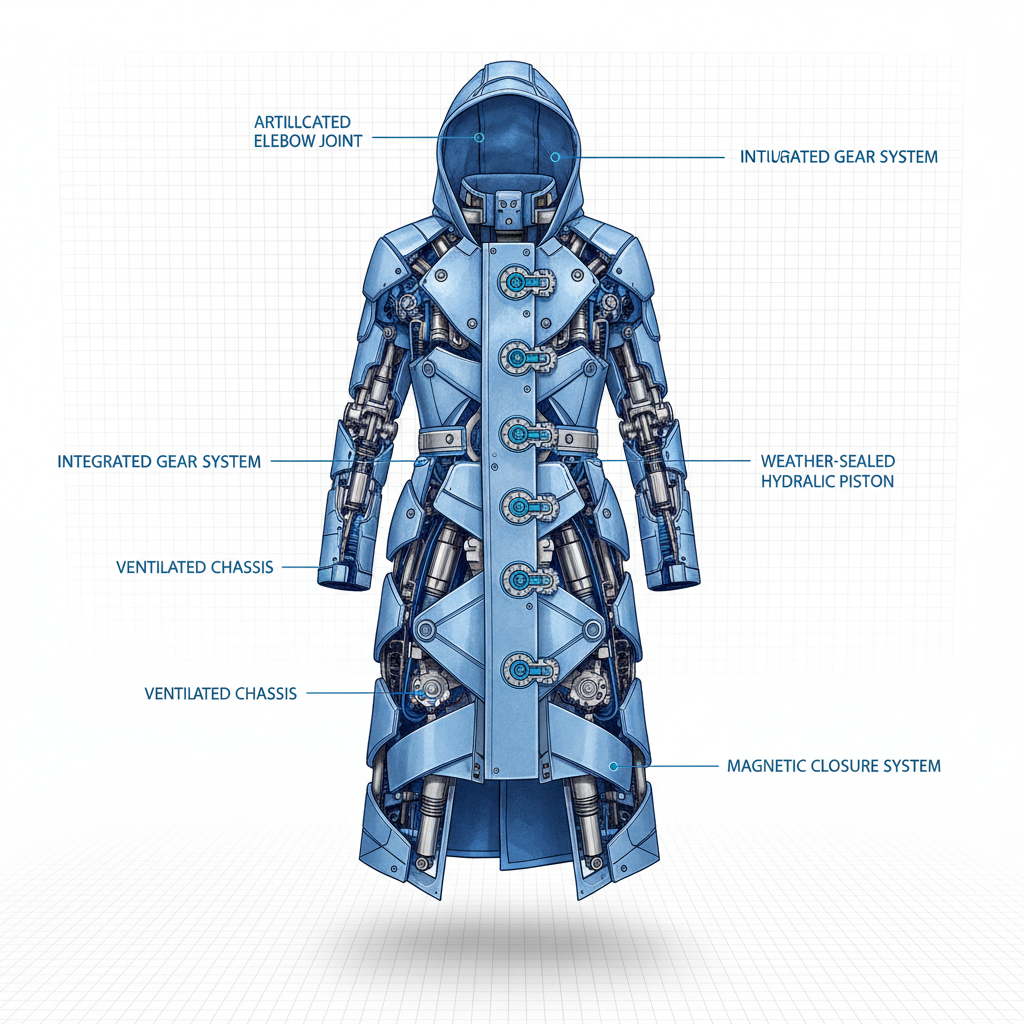
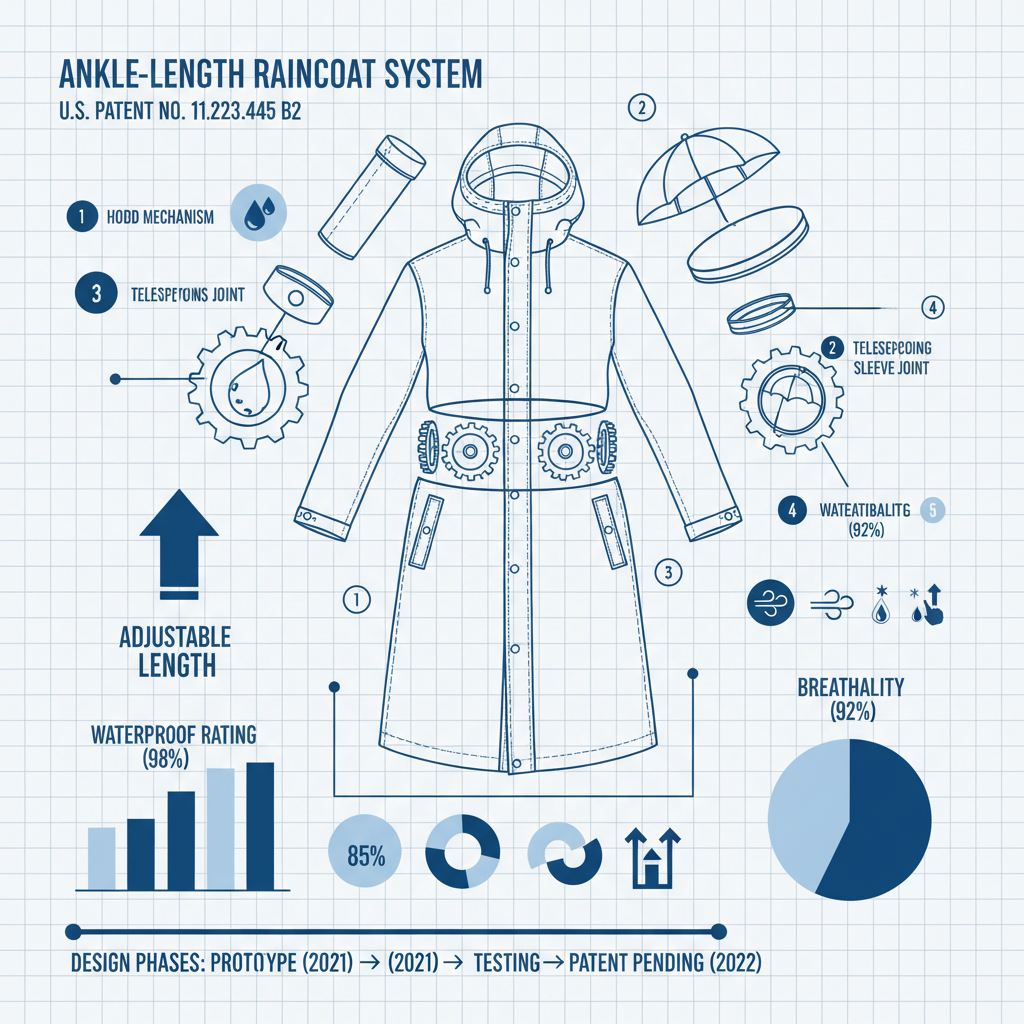
Effective ankle length raincoat design goes beyond simply providing a waterproof barrier. It encompasses factors like fit, breathability, and freedom of movement. A well-designed raincoat should allow for comfortable layering underneath, crucial for maintaining warmth in colder conditions. The length itself, reaching the ankle, is critical for complete lower body protection against heavy rain and splashes.
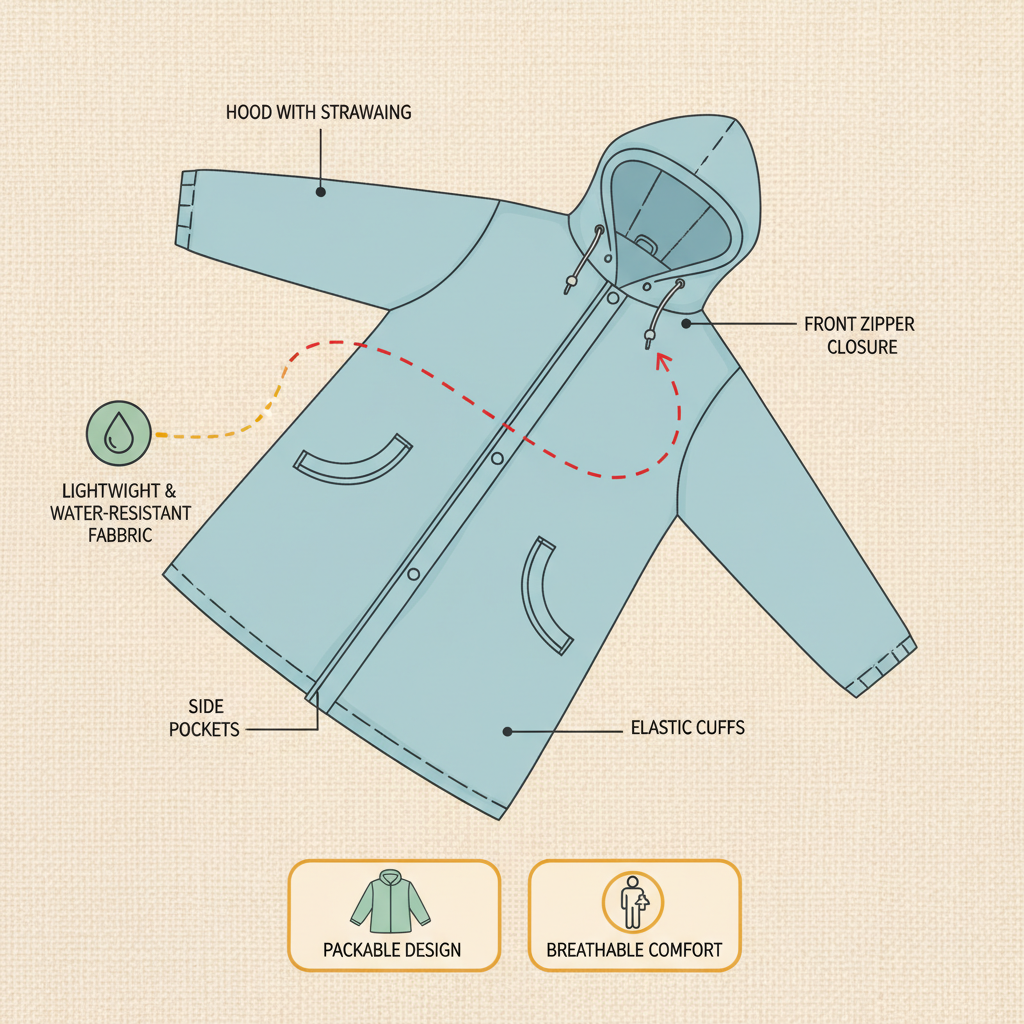
Furthermore, features like adjustable hoods, cuffs, and waists enhance the raincoat's ability to seal out the elements. Strategically placed pockets offer convenient storage for essential items, while reflective elements improve visibility in low-light conditions, enhancing safety for wearers in various environments. A thoughtfully designed ankle length raincoat is an investment in both comfort and protection.
PVC raincoats are the most affordable but least breathable and durable. PU offers a better balance of price, breathability, and durability. Gore-Tex provides superior waterproofness, breathability, and durability, but at a higher cost. Choosing depends on your needs and budget, with Gore-Tex ideal for demanding conditions and PU a good all-around choice, while PVC is suited for light, infrequent use.
Regularly clean your raincoat with mild soap and water, avoiding harsh detergents or bleach. After washing, ensure it's thoroughly dried, preferably by hanging it instead of using a dryer. Store it in a cool, dry place away from direct sunlight. Periodically re-applying a waterproofing treatment can help maintain its water-repellent properties.
A waterproof rating, measured in millimeters (mm), indicates the amount of water pressure the fabric can withstand. A rating of 5,000mm is considered waterproof for light rain, while 10,000mm or higher is recommended for heavy rain and prolonged exposure. For extreme conditions, look for ratings of 20,000mm or greater.
Yes, increasingly there are eco-friendly options available. Look for raincoats made from recycled materials, such as recycled polyester, or those utilizing bio-based waterproof coatings. Some manufacturers are also adopting sustainable production processes to minimize their environmental impact. Supporting these brands promotes responsible consumption.
For hiking and outdoor activities, prioritize breathability, lightweight construction, and a comfortable fit. Look for features like adjustable hoods, pit zips for ventilation, and durable, abrasion-resistant fabrics. Reflective details enhance visibility in low-light conditions. A waterproof rating of at least 10,000mm is recommended.
Breathability is crucial to prevent overheating and discomfort during activity. A raincoat that isn’t breathable can trap sweat, leading to a clammy feeling and reducing overall comfort. Materials like PU and Gore-Tex offer significantly better breathability than PVC. Look for features like pit zips or ventilation panels to enhance airflow.
In conclusion, the ankle length raincoat is far more than a simple garment; it’s a critical element of protection, safety, and comfort across a diverse range of applications. From safeguarding workers in challenging environments to providing essential aid in disaster relief, its importance is undeniable. The evolution of materials and manufacturing techniques has led to increasingly durable, breathable, and sustainable options, offering long-term value and minimizing environmental impact.
Looking ahead, continued innovation in materials science and design will further enhance the performance and sustainability of ankle length raincoats. Embracing eco-friendly materials and circular economy principles will be essential for ensuring a responsible future for the rainwear industry. Visit our website at www.mayraincoat.com to explore our range of high-quality ankle length raincoats and find the perfect solution for your needs.