Finding a reliable cheap rain coat is more than just a matter of convenience; it is about accessing essential protection against the elements without breaking the bank. In an era of unpredictable weather patterns, the demand for affordable, waterproof outerwear has surged globally, bridging the gap between high-end technical gear and disposable plastic sheets.
The global apparel market has seen a significant shift toward "value-engineering," where manufacturers utilize advanced polymers to create a cheap rain coat that doesn't sacrifice core functionality for price. This evolution ensures that students, outdoor workers, and travelers can remain dry and comfortable regardless of their socio-economic standing.
Understanding the balance between cost and quality is key to making an informed purchase. Whether you are looking for a lightweight disposable poncho for a music festival or a budget-friendly reusable jacket for daily commutes, the modern cheap rain coat represents a triumph of industrial efficiency and material science.
Understanding the Global Demand for Budget Rainwear
The necessity for a cheap rain coat is driven by a combination of climatic volatility and economic necessity. According to global trade data, the demand for waterproof apparel in developing regions has grown by nearly 15% annually, as urban populations require affordable protection for commuting in monsoon-prone climates.
Beyond individual consumers, humanitarian organizations often source these garments in bulk for disaster relief. When flooding occurs, providing a durable yet cheap rain coat can prevent hypothermia and maintain the dignity of displaced persons, making low-cost rainwear a critical component of global emergency logistics.
Defining the Modern Cheap Rain Coat
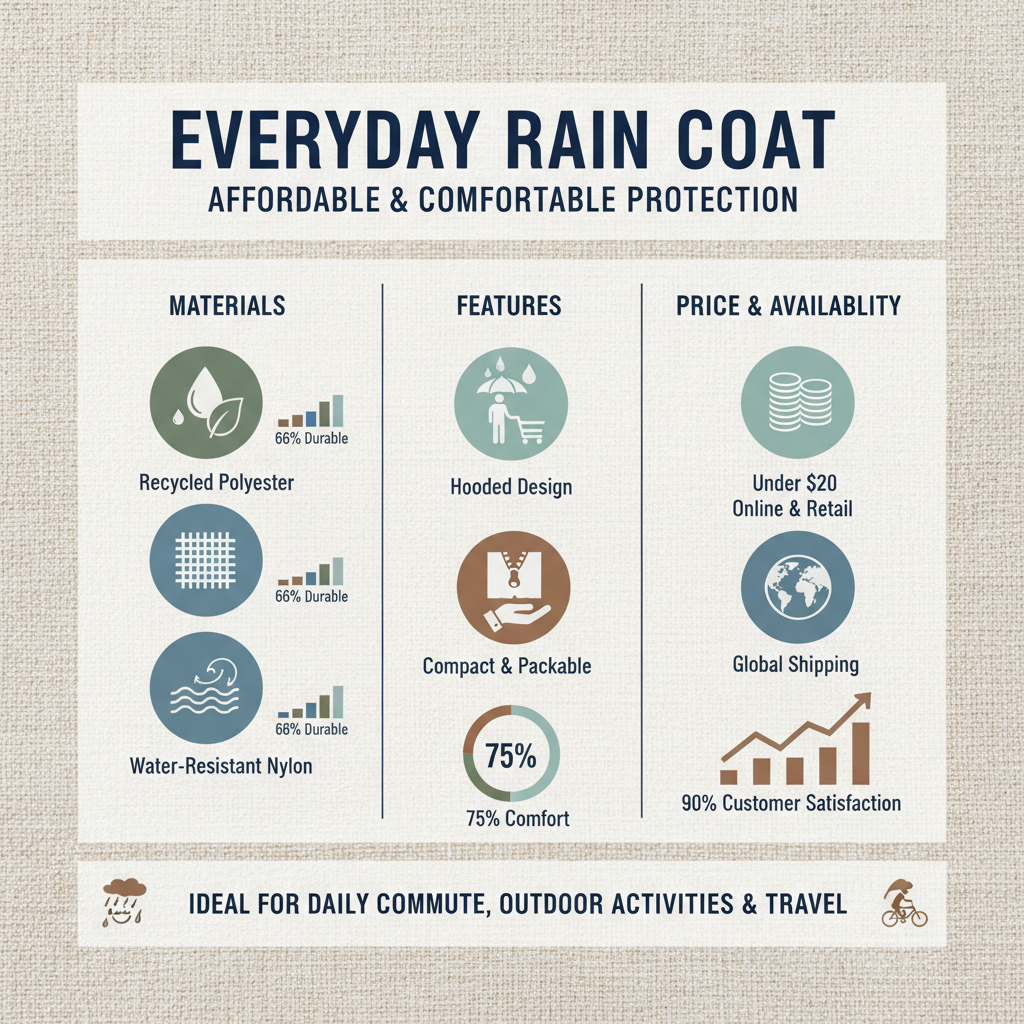
In professional garment manufacturing, a cheap rain coat is not defined by a lack of quality, but by the optimization of materials. It typically refers to outerwear made from PVC (Polyvinyl Chloride), PE (Polyethylene), or lightweight polyester with a polyurethane coating. These materials provide a total barrier against water penetration while remaining cost-effective to produce at scale.
From a humanitarian perspective, these garments are essential "first-line" defenses. Whether it is a child's disposable poncho or a simplified adult raincoat, the primary goal is immediate moisture exclusion. The "cheap" aspect refers to the accessibility of the product, ensuring that weather protection is a right rather than a luxury.
Modern industry has moved away from heavy, rubberized fabrics toward breathable, lightweight synthetics. This means that today's cheap rain coat is significantly more comfortable and portable than the budget options of twenty years ago, fitting easily into a backpack or glove compartment.
Core Components of Affordable Waterproofing
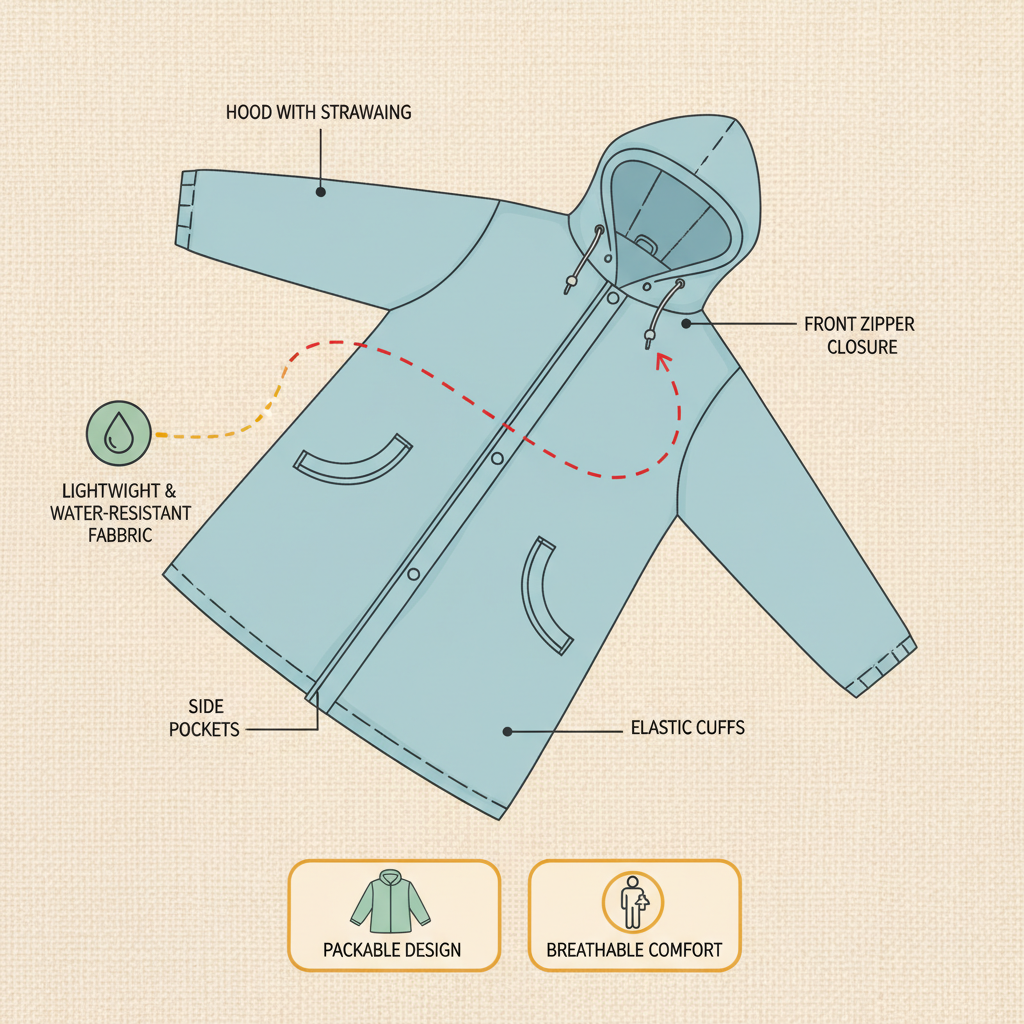
The effectiveness of a cheap rain coat relies heavily on the seam construction. While high-end jackets use expensive heat-taped seams, budget versions utilize precision overlapping and reinforced stitching to minimize leak points, ensuring the wearer stays dry during moderate rainfall.
Material selection is the primary driver of cost. A cheap rain coat often employs a monolithic membrane or a coated fabric. These materials are chosen for their high hydrophobic properties and low raw-material cost, allowing manufacturers to offer competitive pricing without compromising the primary function of water resistance.
Design simplicity further reduces the price of a cheap rain coat. By reducing the number of complex zippers and utilizing snap-buttons or elasticated cuffs, the manufacturing process is streamlined. This lean approach to design ensures that the final product remains affordable for the mass market.
Performance Metrics Across Price Tiers
When analyzing the value proposition of a cheap rain coat, it is helpful to look at performance vs. cost. Most budget options provide 90% of the protection of a premium jacket at a fraction of the cost, making them ideal for short-term use or light-to-medium rain scenarios.
The trade-off usually occurs in breathability and long-term abrasion resistance. However, for the average user seeking a cheap rain coat, the priority is absolute water blockage and portability, areas where budget options frequently excel.
Comparative Performance of Rainwear Types
Real-World Applications and Use Cases
The versatility of a cheap rain coat makes it indispensable across various sectors. In the event industry, thousands of disposable coats are distributed at outdoor concerts and sporting events, providing immediate relief from sudden downpours and preventing crowd panic.
In industrial settings, such as warehouses or loading docks, a budget-friendly cheap rain coat serves as a practical uniform piece. Because these environments can be harsh, companies prefer cost-effective options that can be replaced easily while still keeping their staff dry and healthy.
Long-Term Value and Economic Impact
While the term "cheap" often implies low quality, the economic value of a cheap rain coat is found in its accessibility. By lowering the entry price for weather protection, manufacturers enable a larger portion of the global population to maintain productivity during rainy seasons.
Furthermore, the psychological impact of feeling secure from the rain cannot be understated. A reliable, low-cost coat provides a sense of dignity and safety, particularly for those in low-income urban areas who rely on walking or public transport for their daily commute.
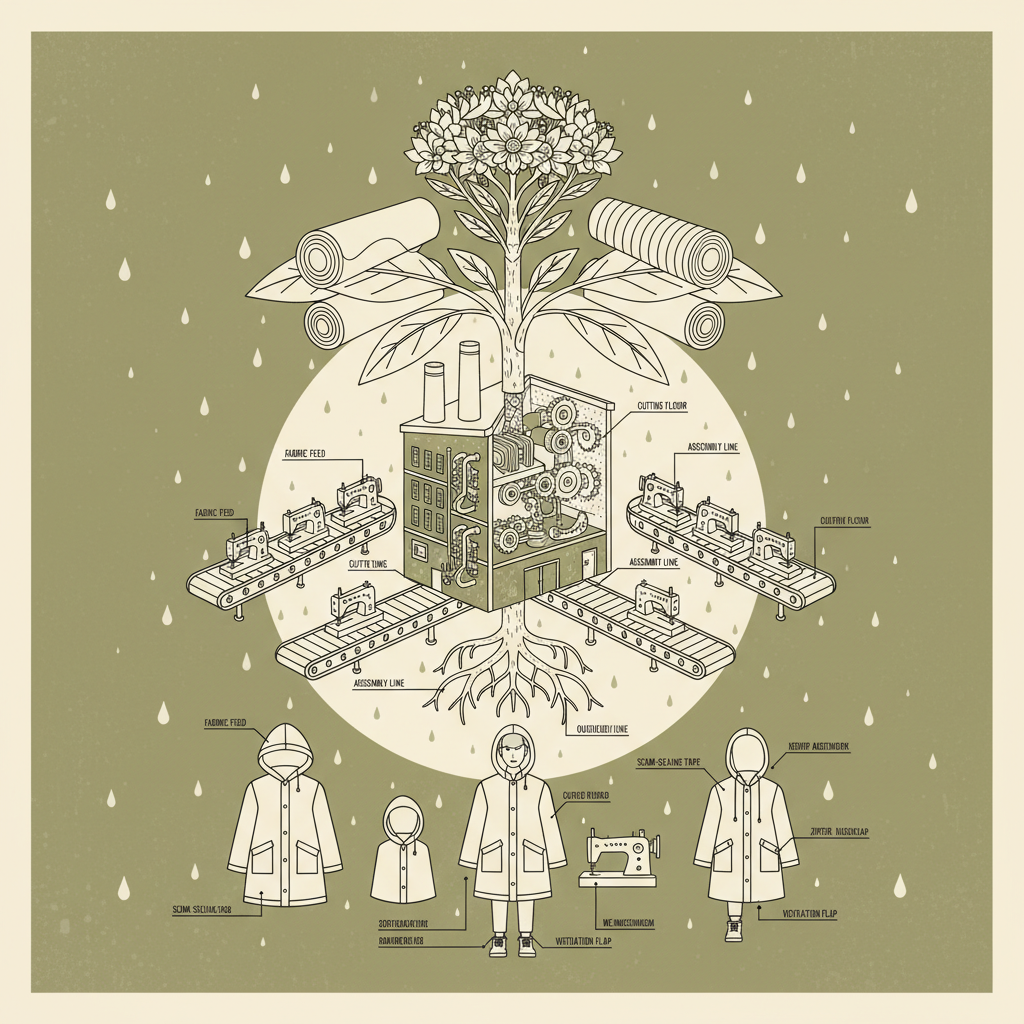
From a business perspective, the high-volume production of the cheap rain coat supports a massive supply chain, from polymer chemical plants to garment sewing factories, driving employment in the textile and light industrial sectors.
Future Trends in Low-Cost Rainwear Technology
The future of the cheap rain coat is leaning heavily toward sustainability. We are seeing a transition from traditional petroleum-based plastics to biodegradable polymers and recycled PET (rPET) fabrics, ensuring that affordability does not come at the expense of the planet.
Automation in the cutting and sewing process is further driving down costs, allowing for more complex designs—such as adjustable hoods and deeper pockets—to be integrated into a cheap rain coat without increasing the retail price.
Additionally, the rise of "smart" coatings is promising a new generation of budget wear that is not only waterproof but also antimicrobial and stain-resistant, extending the lifespan of these garments and reducing the frequency of replacement.
Analysis of Budget Rainwear Material and Performance
|
Material Type
|
Waterproof Level
|
Durability Score
|
Cost Efficiency
|
| LDPE (Disposable) |
High (Short term) |
2/10 |
Excellent |
| Standard PVC |
Absolute |
6/10 |
Very High |
| PU Coated Polyester |
High |
7/10 |
High |
| Recycled PET |
Medium-High |
8/10 |
Moderate |
| Lightweight Nylon |
High |
9/10 |
Moderate |
| Bio-Polymer |
Medium |
5/10 |
Emerging |
FAQS
Most budget raincoats made from PVC or PE are fully waterproof, meaning they prevent water from penetrating the fabric entirely. However, they may lack the breathability of expensive membranes, meaning moisture from sweat can stay inside. For total rain protection, a cheap rain coat is often more "waterproof" than a water-resistant windbreaker.
Lifespan varies by material. A disposable PE poncho is designed for a few uses. A PVC or PU-coated cheap rain coat can last 1-3 seasons depending on the frequency of use and how well it is stored. To extend its life, avoid folding it tightly for long periods and wipe it dry after use.
Traditionally, low-cost rainwear relied on virgin plastics. However, the industry is shifting. Many manufacturers now offer cheap rain coat options made from recycled plastics or biodegradable materials. Choosing rPET (recycled polyethylene terephthalate) versions significantly reduces the environmental footprint.
It is generally not recommended to machine wash a cheap rain coat as the heat and agitation can crack the waterproof coating. The best way to clean them is by wiping the surface with a damp cloth and mild soap, then hanging them to air dry away from direct sunlight.
For children, prioritize safety and visibility. Look for a cheap rain coat with bright colors or reflective strips. Ensure the material is non-toxic (BPA-free) and that the fit is loose enough to be worn over a sweater but secure enough not to snag on objects.
The difference usually lies in the thickness of the coating (denier) and the quality of the seams. A superior cheap rain coat will have reinforced stitching at the shoulders and underarms, as well as a more secure hood closure to prevent water from trickling down the neck.
Conclusion
In summary, the cheap rain coat is an essential tool for global weather resilience, blending material efficiency with practical design to provide affordable protection for millions. From the technical application of PU coatings to the logistical importance of bulk-supplied ponchos, these garments prove that effectiveness does not always require a premium price tag.
Looking forward, the integration of sustainable materials and automated manufacturing will continue to elevate the standard of budget rainwear. By prioritizing both cost and eco-consciousness, the industry can ensure that staying dry remains accessible to everyone, everywhere. To find your perfect balance of value and performance, visit our website: www.mayraincoat.com
 rainwears@163.com may@may-rain.com
 Mon to Friday: 8.00 am - 7.00 pm