The world around us constantly presents challenges, and protecting our animal companions from the elements is a significant one. An animal raincoat isn’t just a novelty item; it’s a practical solution for ensuring their comfort, health, and safety during inclement weather. From preventing hypothermia to simply maintaining a good mood during walks, the benefits are numerous and impactful for pet owners globally. This exploration delves into the multifaceted world of animal raincoats, uncovering their importance and the considerations behind selecting the right one.
Globally, pet ownership continues to rise, with estimates suggesting over 600 million households worldwide have at least one pet. This growing trend naturally increases the demand for pet-related products, including protective gear like raincoats. The market is responding with a diverse range of designs, materials, and features, reflecting a deepening understanding of animal needs. According to recent industry reports, the pet apparel market is expected to reach billions of dollars in the coming years, with waterproof options being a significant driver of growth.
However, simply offering a raincoat isn’t enough. The efficacy and appropriateness of an animal raincoat depend on several factors, including the animal's size, breed, activity level, and the severity of the weather. This understanding is crucial for both manufacturers and consumers, leading to a more responsible and effective approach to pet care.
Introduction to Animal Raincoats
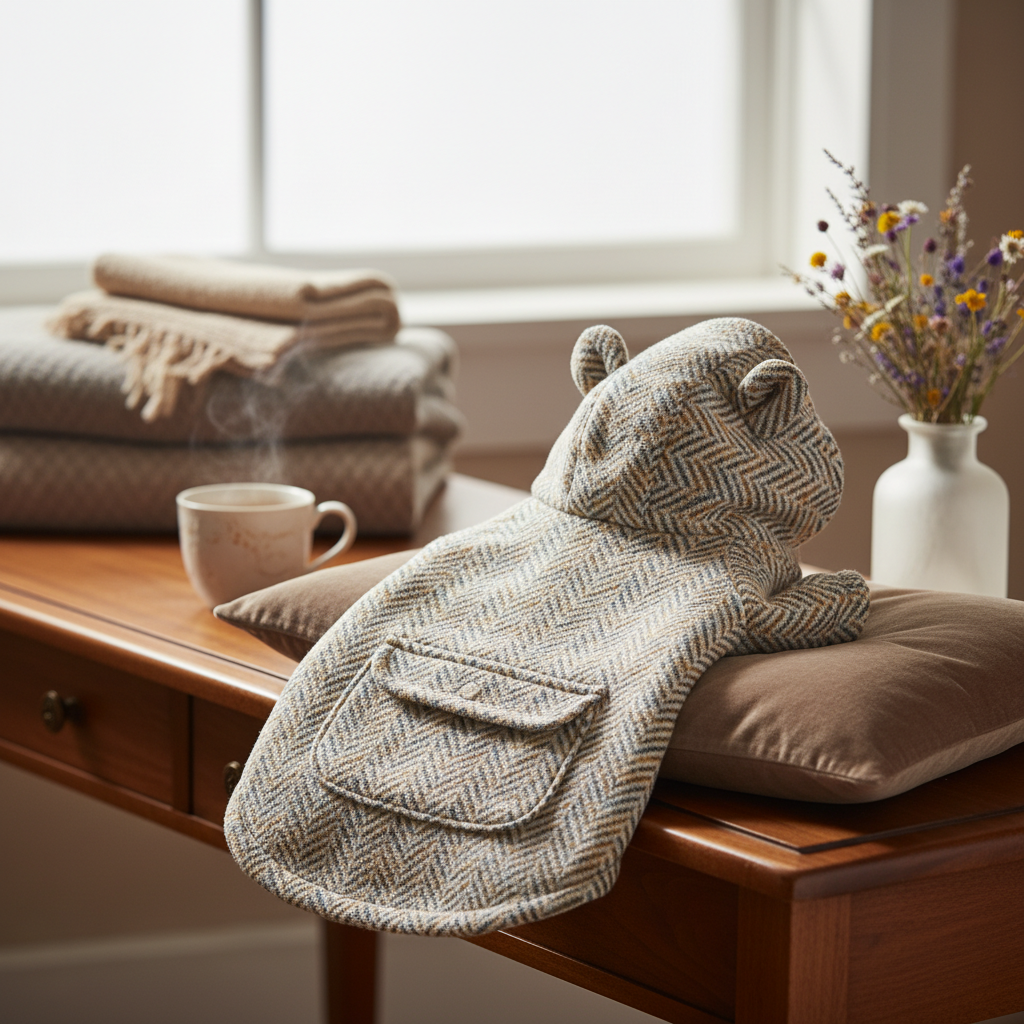
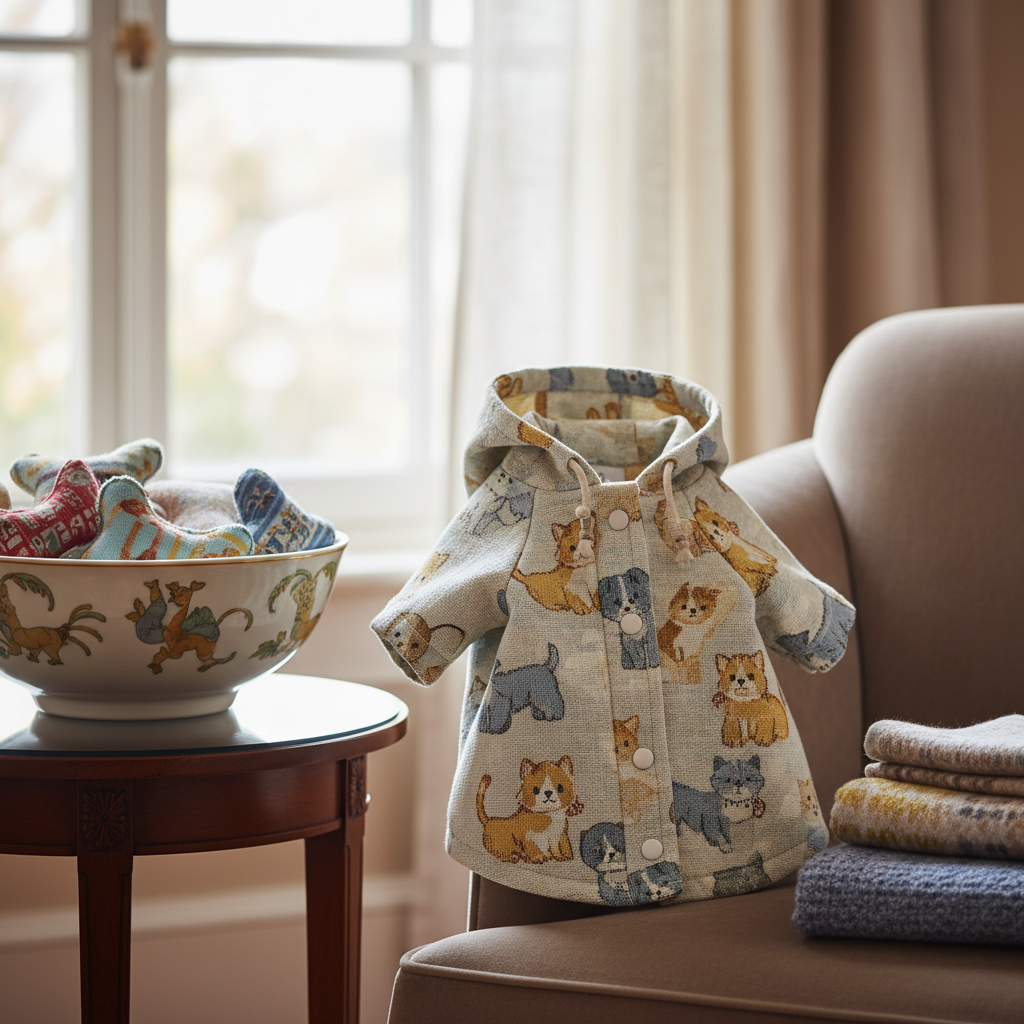
An animal raincoat provides a critical layer of protection for pets against rain, wind, and even snow. This protection isn't merely about keeping them dry; it’s about safeguarding their health and wellbeing, preventing conditions like hypothermia and reducing the risk of catching a cold. The design and materials used in these coats have evolved significantly, moving beyond simple plastic coverings to encompass breathable, waterproof fabrics designed for animal comfort and mobility.
The increasing awareness of pet health and the growing humanization of pets have fueled the demand for specialized products like animal raincoats. Owners are increasingly seeking to provide their companions with the same level of comfort and protection they expect for themselves, driving innovation and diversification within the pet apparel market.
Defining Animal Raincoats
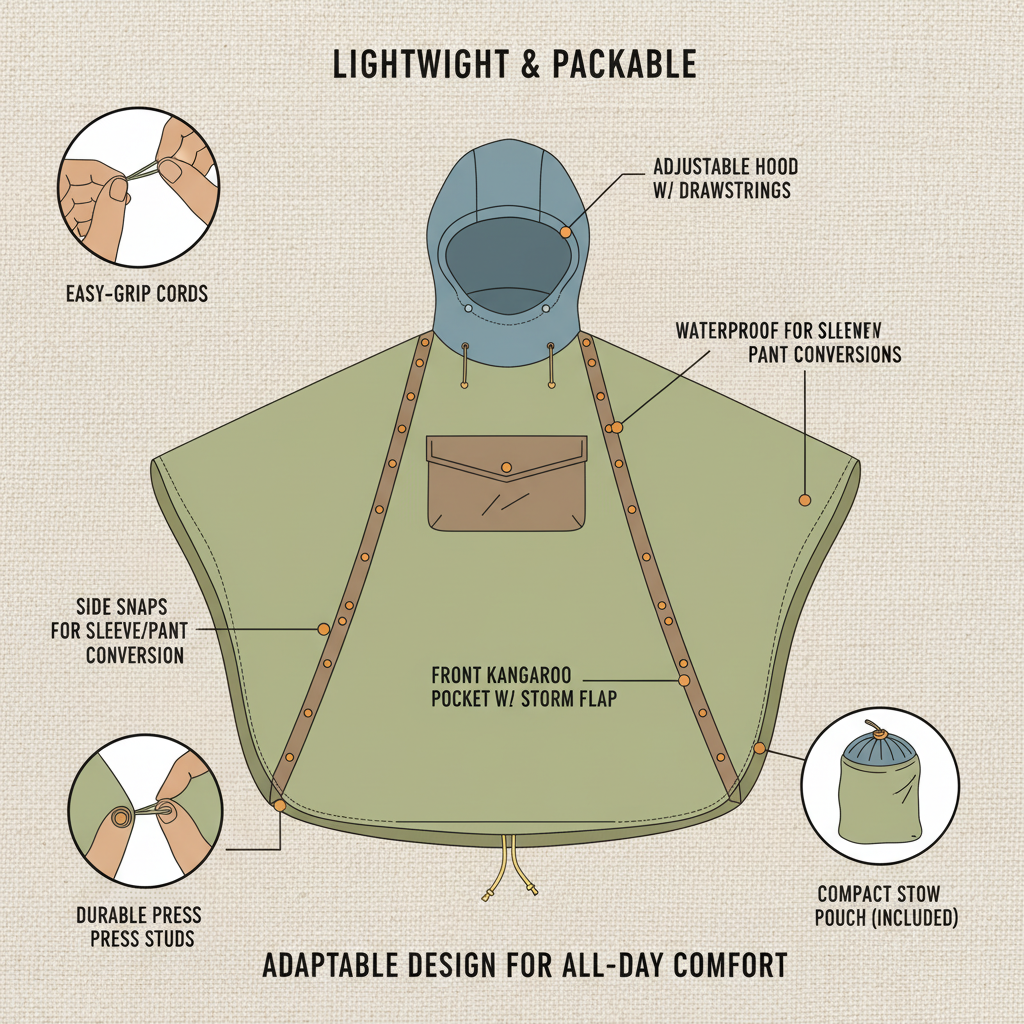
At its core, an animal raincoat is a protective garment designed to shield an animal’s coat and skin from precipitation. However, the definition extends beyond simply repelling water. Modern animal raincoats often incorporate features like adjustable straps, reflective elements for visibility, and breathable materials to prevent overheating. They cater to a broad spectrum of animals, from dogs and cats to smaller pets like rabbits and even miniature pigs.
The connection to modern industry lies in the application of textile technology and manufacturing processes previously focused on human apparel. The demand for waterproof, breathable fabrics has driven innovation in material science, leading to lighter, more durable, and more comfortable raincoats for animals. This connection also extends to the design and production of specialized harnesses and attachment systems, further integrating the raincoat with other pet gear.
In essence, the modern animal raincoat represents a convergence of pet care needs, technological advancements, and a growing emphasis on animal welfare. It's a testament to the evolving relationship between humans and their animal companions, where comfort and safety are paramount.
Core Components of Effective Animal Raincoats
Several key factors determine the quality and effectiveness of an animal raincoat. Durability is paramount; a raincoat must withstand regular use and exposure to the elements without tearing or degrading. The material used—often nylon, polyester, or PVC—plays a crucial role in this regard, with reinforced stitching adding to the garment’s longevity.
Fit and Comfort are equally important. A properly fitting raincoat allows for a full range of motion without chafing or restricting movement. Adjustable straps and closures are essential for accommodating different body sizes and shapes. Breathable materials are also vital to prevent overheating, especially during prolonged wear.
Waterproofing is, naturally, a core requirement. The effectiveness of the waterproofing depends on the material and the construction of the raincoat. Sealed seams and waterproof zippers are critical for preventing water from penetrating the garment. Visibility is another important consideration, particularly for walks in low-light conditions. Reflective strips or brightly colored fabrics enhance safety by increasing visibility to motorists and pedestrians. Ease of Cleaning makes it easier to maintain the coat and hygiene.
Global Applications of Animal Raincoats
The applications of animal raincoats are widespread, extending beyond simple leisure walks. In regions with frequent rainfall or cold climates, they are essential for maintaining the health and wellbeing of working dogs, such as search and rescue animals and herding dogs. Farmers and ranchers utilize raincoats to protect livestock, particularly vulnerable breeds, from the elements.
In urban environments, animal raincoats are increasingly popular among pet owners who live in cities with unpredictable weather patterns. They are also commonly used during outdoor events, such as dog shows and agility competitions. Furthermore, animal shelters and rescue organizations often provide raincoats to animals awaiting adoption, ensuring their comfort and hygiene during their stay.
The demand extends to specific breeds requiring extra protection. For example, short-haired breeds like Greyhounds and Chihuahuas are particularly susceptible to the cold and benefit greatly from the added insulation provided by a raincoat. In post-disaster relief operations, animal raincoats can be crucial for protecting animals displaced by floods or other natural disasters.
Animal Raincoat Performance Metrics
Advantages and Long-Term Value
The advantages of using an animal raincoat extend beyond immediate protection from the weather. A significant benefit is the prevention of hypothermia and related health issues, particularly in vulnerable animals. This translates to reduced veterinary costs and improved overall health and wellbeing. Moreover, a comfortable and dry pet is a happier pet, contributing to a stronger bond between owner and animal.
From a sustainability perspective, a durable raincoat reduces the need for frequent replacements, minimizing waste. Choosing raincoats made from recycled materials further enhances this environmental benefit. The long-term value also lies in the peace of mind knowing that your pet is adequately protected, allowing for more enjoyable outdoor experiences regardless of the weather.
Future Trends in Animal Raincoats
The future of animal raincoats is likely to be shaped by advancements in material science and smart technology. We can expect to see more raincoats made from biodegradable or sustainably sourced materials, reducing their environmental impact. Integration of smart features, such as embedded heating elements or GPS tracking, is also a possibility.
Furthermore, personalized designs and customized fits are likely to become more prevalent, offering tailored solutions for individual animals. The use of 3D printing technology could revolutionize the production process, allowing for rapid prototyping and on-demand manufacturing of raincoats. Increased focus on ergonomic design will also enhance comfort and freedom of movement for animals.
Challenges and Innovative Solutions
Despite the advancements, several challenges remain in the animal raincoat industry. One common issue is finding a raincoat that provides both adequate waterproofing and breathability, preventing overheating while keeping the animal dry. Another challenge is ensuring a proper fit for animals with unusual body shapes or sizes.
Innovative solutions include the development of advanced waterproof-breathable membranes and the use of adjustable strap systems that accommodate a wider range of body types. Companies are also exploring the use of modular designs, allowing owners to customize the fit of the raincoat by adding or removing sections. Furthermore, improved manufacturing techniques and quality control measures are essential for ensuring the durability and longevity of these products.
Addressing these challenges requires a collaborative effort between manufacturers, designers, and pet owners, ensuring that animal raincoats continue to meet the evolving needs of our beloved companions.
Analysis of Animal Raincoat Feature Importance
| Feature |
Importance Level (1-5) |
Impact on Pet Comfort |
Cost Consideration |
| Waterproof Material |
5 |
High |
Moderate |
| Breathability |
4 |
Medium |
Low-Moderate |
| Adjustable Fit |
4 |
High |
Low |
| Reflective Elements |
3 |
Medium |
Very Low |
| Durability of Material |
5 |
Medium-High |
High |
| Ease of Cleaning |
3 |
Low-Medium |
Low |
FAQS
For maximum durability, look for animal raincoats made from ripstop nylon or polyester with a waterproof coating. These materials are resistant to tearing and abrasion, ensuring the raincoat can withstand regular use. Reinforced stitching is also a key factor. Avoid thin PVC materials as they can crack and tear easily.
Measure your pet’s back length from the base of the neck to the base of the tail. Also, measure their chest girth at the widest point. Compare these measurements to the size chart provided by the raincoat manufacturer. It's often better to slightly size up rather than down, especially if your pet has a thick coat.
It's crucial to understand the difference. Waterproof raincoats are designed to completely repel water, while water-resistant coats only offer some protection against light rain. Look for raincoats specifically labeled as “waterproof” and with sealed seams for full protection. Water resistance is okay for very light drizzle, but won’t hold up in a heavy downpour.
Most animal raincoats can be hand washed with mild soap and water. Avoid harsh detergents or bleach. If the raincoat is machine washable, use a gentle cycle and cold water. Always check the care label for specific instructions. Air drying is recommended to prevent shrinkage and damage to the waterproof coating.
While a raincoat primarily protects against rain, a lightweight, breathable raincoat can be used in warmer weather to provide a cooling effect by creating a barrier against the sun's heat. However, avoid using heavy, insulated raincoats in warm weather as they can cause overheating. Ensure good ventilation and monitor your dog for signs of discomfort.
For large breed dogs, prioritize durability, a secure and adjustable fit, and a full-coverage design. Look for raincoats with reinforced stitching, adjustable straps around the chest and belly, and a longer length to protect their entire body. Reflective elements are also important for visibility during low-light conditions.
Conclusion
In conclusion, the animal raincoat is far more than a fashion accessory; it’s a vital piece of equipment for responsible pet ownership. From protecting against the elements and preventing health issues to enhancing comfort and enabling enjoyable outdoor experiences, the benefits are substantial. The continuous advancements in materials and design promise even more effective and comfortable solutions in the future.
Looking ahead, we can expect to see a greater emphasis on sustainability, personalization, and smart technology within the animal raincoat market. By embracing these innovations and prioritizing animal wellbeing, we can ensure that our furry friends remain safe, comfortable, and happy, regardless of the weather. Visit our website at www.mayraincoat.com to explore our range of high-quality animal raincoats and find the perfect fit for your beloved companion.
 rainwears@163.com may@may-rain.com
 Mon to Friday: 8.00 am - 7.00 pm