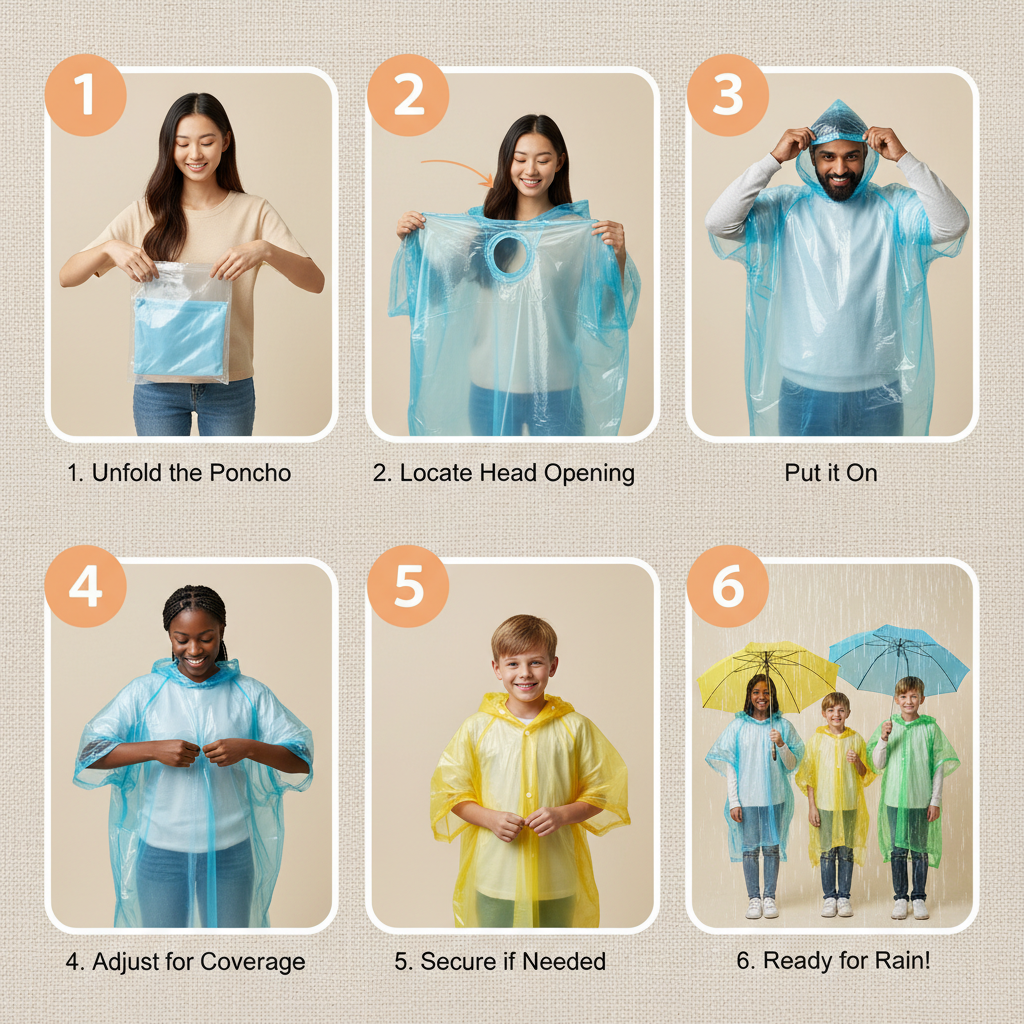
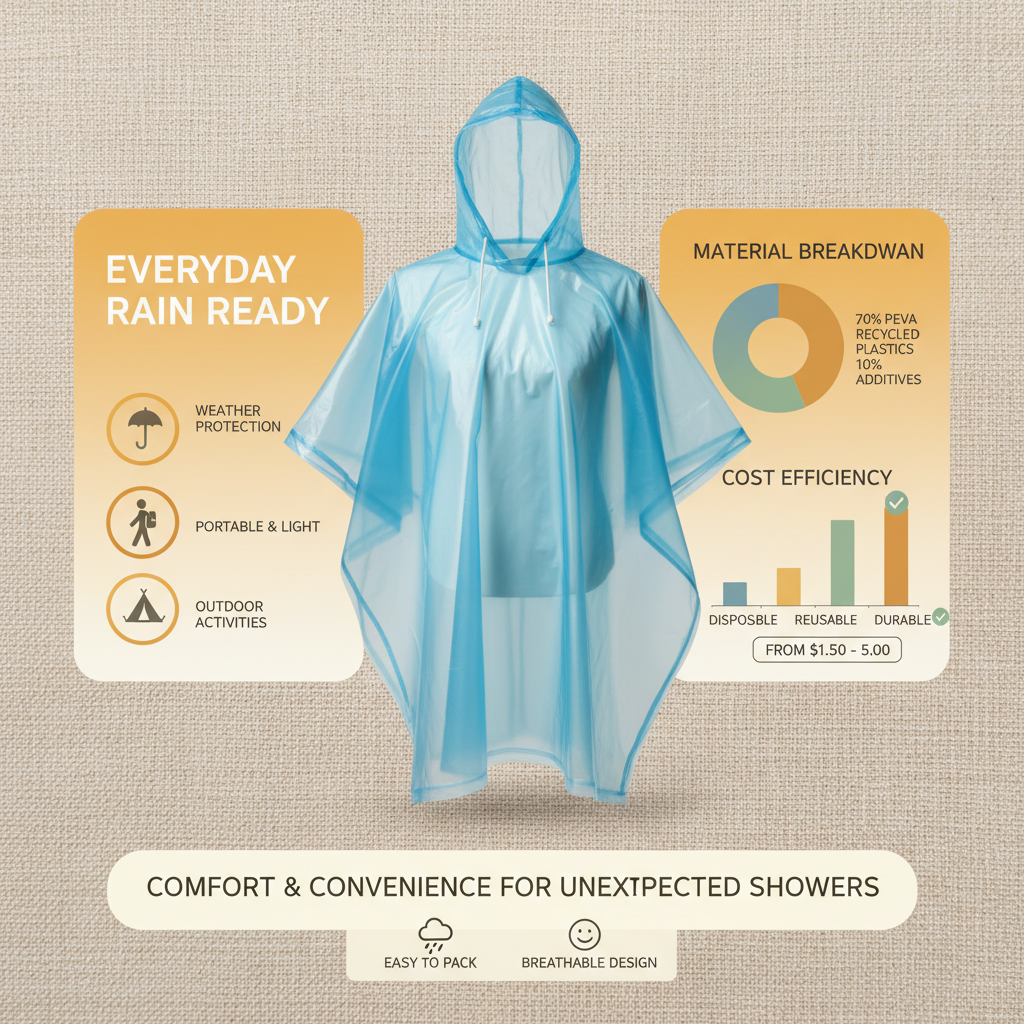
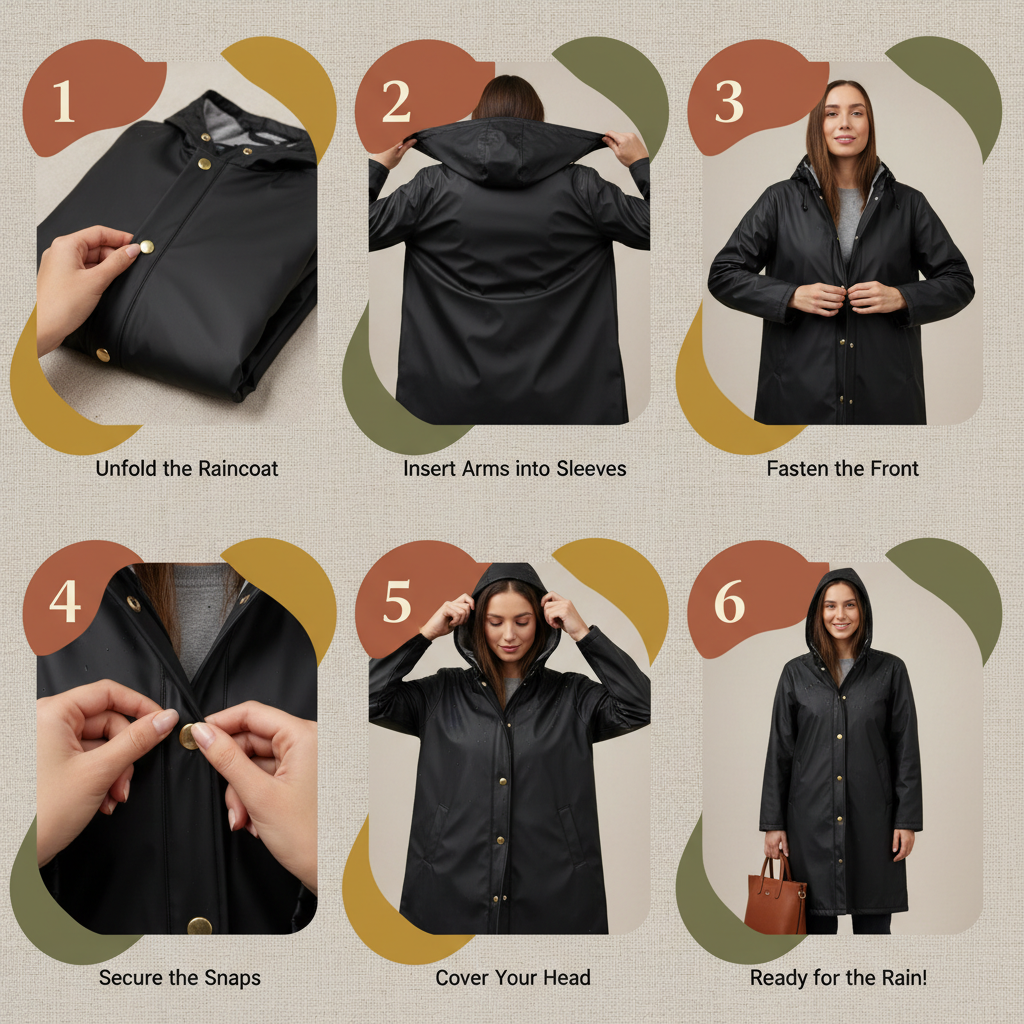
Finding a reliable yet cheap rain poncho is often a priority for event organizers, outdoor enthusiasts, and humanitarian agencies alike. In an unpredictable climate, having an accessible layer of waterproof protection ensures that activity doesn't grind to a halt just because of a sudden downpour. The balance between affordability and functional performance is the primary driver in the design of these essential garments.
From a global manufacturing perspective, the production of budget-friendly rainwear has evolved from simple plastic sheets to engineered polymers that offer better breathability and durability. This shift is critical because the demand for low-cost protective gear spans across various sectors, including tourism, emergency relief, and large-scale sporting events, where scalability and cost-efficiency are paramount.
Understanding the technical nuances behind a cheap rain poncho allows buyers to distinguish between truly disposable items and cost-effective, reusable options. By examining material compositions and manufacturing standards, one can maximize value without compromising the safety or comfort of the wearer during inclement weather.
Global Market Demand for Cheap Rain Ponchos
The global demand for the cheap rain poncho is driven by a combination of urban growth and the increasing frequency of extreme weather events. In many developing regions, affordable rain protection is not a luxury but a necessity for daily commutes and agricultural work. Market data suggests that the accessibility of low-cost PVC and PE materials has allowed millions to maintain productivity despite seasonal monsoons.
Furthermore, the rise of "experience tourism" and massive outdoor festivals has created a surge in the bulk procurement of lightweight rain gear. Organizers require solutions that are easy to distribute and occupy minimal storage space, making the compact nature of budget ponchos an ideal solution for crowd management in rainy conditions.
Defining the Cheap Rain Poncho in Modern Industry
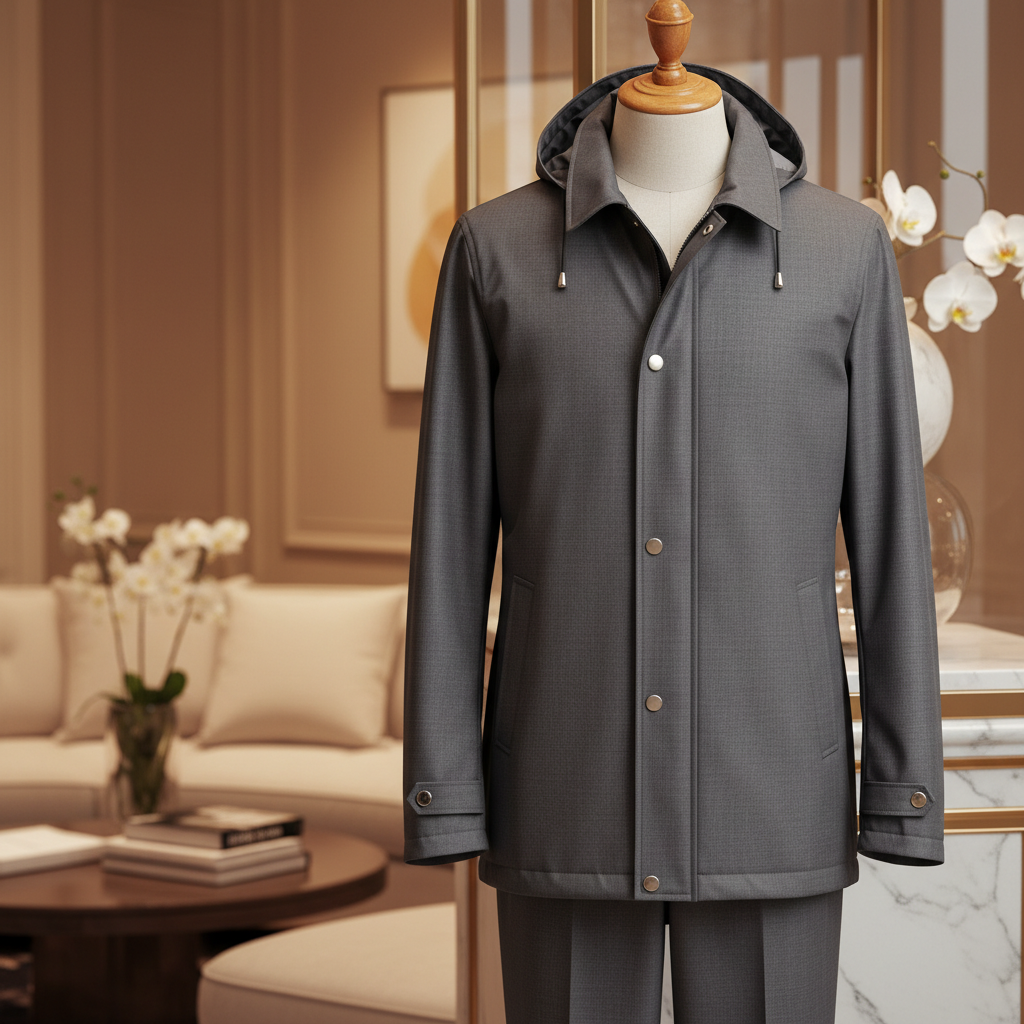
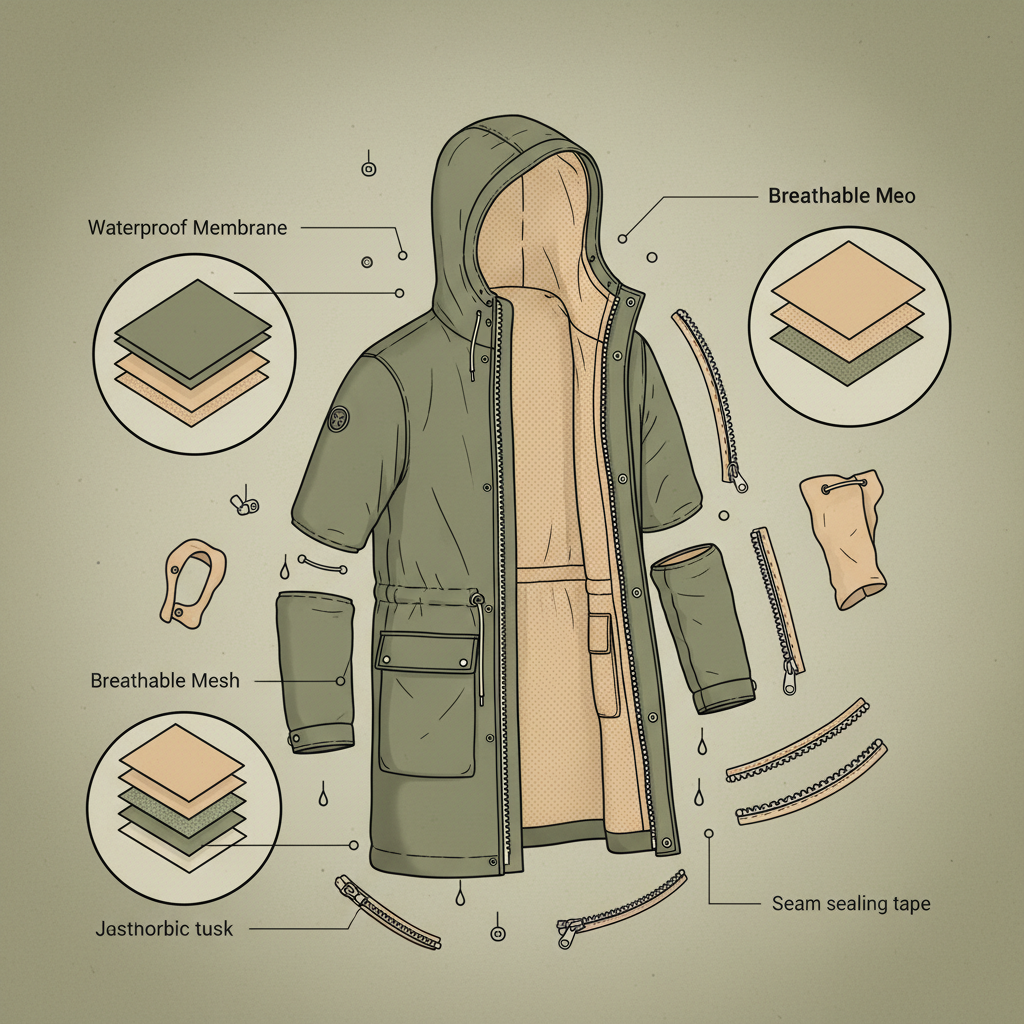
In the context of the textile and garment industry, a cheap rain poncho is defined as a lightweight, waterproof outer garment designed for immediate deployment. Unlike high-end technical raincoats that utilize complex membranes like Gore-Tex, these ponchos rely on monolithic polymer coatings or thin plastic films to repel water efficiently at a fraction of the cost.
From an industrial standpoint, "cheap" does not necessarily imply "low quality," but rather refers to the optimization of the manufacturing process. By utilizing heat-sealing technology instead of traditional stitching, manufacturers can produce waterproof seams rapidly, reducing labor costs while ensuring the garment remains leak-proof.
This democratization of waterproof gear is vital for humanitarian efforts. In disaster relief operations, where rapid deployment of shelter and clothing is critical, the ability to provide a functional, low-cost rain shield can prevent hypothermia and health complications among displaced populations in wet environments.
Core Components of Cost-Effective Rainwear
The efficacy of a cheap rain poncho depends primarily on its material selection. Polyethylene (PE) is the most common choice for disposable versions due to its inherent water resistance and extremely low production cost, providing a basic yet effective barrier against light to moderate rain.
Durability in budget rainwear is achieved through the balance of micron thickness and tensile strength. While a very thin cheap rain poncho may only last for a single event, slightly thicker EVA (Ethylene Vinyl Acetate) options offer a soft-touch feel and increased tear resistance, making them reusable for several outings.
Cost efficiency is further enhanced through standardized sizing. By utilizing a "one-size-fits-all" design, manufacturers eliminate the need for complex grading and sizing patterns, which drastically reduces fabric waste during the cutting process and lowers the final retail price for the consumer.
Performance Metrics and Material Efficiency
Evaluating the performance of a cheap rain poncho involves analyzing the trade-off between weight, waterproof rating, and cost. While professional gear focuses on breathability, budget options prioritize total water exclusion. The goal is to provide a reliable shield that can be carried in a pocket until the moment it is needed.
To visualize the efficiency of different budget-tier materials, we can compare various common compositions based on their practical utility and cost-to-performance ratio in real-world scenarios.
Material Performance Comparison for Budget Rainwear
Practical Global Applications and Use Cases
The application of the cheap rain poncho extends far beyond simple rain protection. In the theme park and zoo industry, these items are sold as high-margin convenience goods that allow visitors to continue their experience during sudden showers, effectively saving the day for thousands of tourists.
In more critical contexts, such as emergency response in flood-prone regions of Southeast Asia, the mass distribution of these ponchos provides an immediate layer of protection for rescue workers and victims. Their ability to be folded into a tiny pouch makes them an essential component of survival kits and military field gear for temporary wet-weather use.
Long-Term Value and Economic Advantages
From an economic perspective, the cheap rain poncho offers a low-risk investment for businesses. By stocking these items in bulk, retailers can capitalize on unpredictable weather spikes, seeing a rapid increase in sales during storm seasons without the need for expensive inventory management of complex sizes.
For the end-user, the logical value lies in the "insurance" aspect of the product. Carrying a budget poncho provides peace of mind during travel or outdoor events, ensuring that a small investment prevents the much larger cost of ruined electronics, wet clothing, or a canceled itinerary.
Moreover, the shift toward biodegradable materials is adding emotional value to these products. Customers are increasingly choosing "cheap" options that are also eco-friendly, blending the need for affordability with a sense of environmental responsibility.
Future Innovations in Sustainable Rain Gear
The future of the cheap rain poncho is inextricably linked to the development of biodegradable polymers. The industry is moving toward PLA (Polylactic Acid) and other corn-starch-based materials that maintain waterproof properties but break down much faster in composting environments than traditional plastics.
Automation in the garment industry is also reducing costs further. Laser-cutting technology allows for zero-waste patterns, meaning that the raw material used for each poncho is optimized to the millimeter, reducing the environmental footprint and the final cost to the consumer.
Digital transformation in the supply chain is enabling "just-in-time" delivery for bulk orders, allowing event organizers to order rain gear based on real-time meteorological forecasts, reducing overstock and waste.
Comparative Analysis of Budget Rainwear Materials
| Material Type |
Waterproof Level |
Eco-Friendliness |
Cost Per Unit |
| Low-Density PE |
High (Short term) |
Low |
Very Low |
| EVA Foam |
Very High |
Medium |
Low |
| Biodegradable PLA |
Medium |
Very High |
Medium |
| Recycled Polyester |
High |
High |
Medium |
| Thin PVC |
Maximum |
Very Low |
Low |
| Nylon Ripstop (Budget) |
High |
Medium |
Medium-High |
FAQS
Most budget ponchos made from PE or EVA are fully waterproof, meaning they prevent water from penetrating the fabric entirely. However, their weakness lies in the seams. While heat-sealed seams provide a waterproof barrier, cheaper stitched seams may leak under heavy pressure. For most light-to-medium rain, a budget poncho is more than sufficient to keep the wearer dry.
Check the material. PE (Polyethylene) is typically very thin, crinkly, and designed for single use. EVA (Ethylene Vinyl Acetate) is thicker, feels more like rubber or soft plastic, and is significantly more durable, making it suitable for multiple uses. If the poncho comes in a sturdy reusable pouch, it is likely a reusable version.
Yes, many manufacturers now offer biodegradable ponchos made from PLA or cornstarch-based polymers. These look and feel similar to traditional plastic but break down much faster in industrial composting facilities, reducing the long-term environmental impact of disposable rain gear.
To prevent tears, avoid compressing them under heavy weight. Store them in a cool, dry place away from direct sunlight, as UV rays can degrade thin plastic over time, making them brittle. Keeping them in their original packaging or lightweight bins is usually sufficient.
While they are excellent for rain, budget ponchos lack the structural integrity to withstand high winds. Because they are loose-fitting, wind can easily blow them open or cause the material to rip. They are best used for moderate weather or in combination with other wind-breaking layers.
The most cost-effective way is to source directly from manufacturers who specialize in rainwear. Look for suppliers who offer tiered pricing and can provide certifications for material safety (like BPA-free or non-toxic PVC) to ensure the safety of your guests.
Conclusion
The cheap rain poncho represents a perfect intersection of industrial efficiency and practical utility. By optimizing materials like PE and EVA and streamlining production through heat-sealing and universal sizing, the industry has provided a vital tool for weather protection that is accessible to everyone regardless of budget. Whether used for disaster relief, tourism, or daily commuting, these garments prove that high value does not always require a high price tag.
Looking forward, the evolution of sustainable polymers and automated manufacturing will only enhance the viability of budget rainwear. As we move toward a more eco-conscious future, the transition to biodegradable and recycled materials will ensure that staying dry does not come at the cost of the planet. For those seeking reliable, cost-effective protection, investing in quality budget rainwear is a smart, pragmatic choice. Visit our website: www.mayraincoat.com
 rainwears@163.com may@may-rain.com
 Mon to Friday: 8.00 am - 7.00 pm