The classic yellow rain jacket is more than just a piece of weather-resistant apparel; it is a global symbol of safety, visibility, and timeless functional design. From the treacherous decks of North Atlantic fishing trawlers to the playful puddles of a city sidewalk, this iconic garment has evolved from a purely utilitarian tool into a staple of both industrial safety and urban fashion. Understanding the intersection of material science and high-visibility aesthetics is key to appreciating why this specific design remains the gold standard for rain protection worldwide.
In the modern textile industry, the production of a high-quality yellow raincoat involves a complex balance of hydrostatic pressure resistance and breathability. As global weather patterns become more unpredictable, the demand for reliable, waterproof outerwear has surged, pushing manufacturers to integrate advanced polymers with traditional silhouettes. The persistence of the yellow hue is not merely a stylistic choice but a critical safety requirement, ensuring that the wearer remains visible in low-visibility conditions such as heavy rain, fog, or twilight.
By exploring the technical specifications and the cultural legacy of the classic yellow rain jacket, buyers and industrial procurement officers can make informed decisions. Whether the goal is to outfit a professional maritime crew or to provide durable rainwear for children, the core principles of waterproof integrity and visual prominence remain the same. This guide delves into the engineering, application, and future of this essential garment.
The Evolution of the Classic Yellow Rain Jacket
The origin of the classic yellow rain jacket is deeply rooted in maritime history. Early sailors required garments that could withstand relentless saltwater spray and torrential rain. The choice of yellow was strategic; in the gray-blue expanse of the ocean, yellow provides the highest contrast, allowing crew members to be spotted easily during emergencies. This functional necessity eventually transitioned from the sea to the land, becoming a symbol of readiness and protection.
Over the decades, the construction has evolved from heavy rubberized fabrics to lightweight, breathable membranes. While the silhouette remains recognizable, the internal technology has shifted toward microporous materials that allow moisture vapor to escape while preventing liquid water from entering. This evolution ensures that the modern yellow raincoat is not only a safety tool but also a comfortable garment suitable for everyday urban use.
Technical Material Standards for Waterproofing
Achieving a true waterproof rating for a classic yellow rain jacket requires a rigorous approach to material selection. Most high-end versions utilize PVC (Polyvinyl Chloride) or PU (Polyurethane) coatings, which create an impermeable barrier against water. For industrial applications, the focus is on the "hydrostatic head" rating—a measure of how much water pressure a fabric can withstand before leaking. A rating of 10,000mm to 20,000mm is typically required for heavy-duty outdoor gear.
Beyond the fabric itself, the critical failure points of any rain jacket are the seams. Heat-sealed or taped seams are essential to ensure that water does not penetrate through the needle holes created during stitching. In professional-grade yellow raincoats, every single seam is reinforced with a waterproof tape that is melted onto the fabric, creating a monolithic shield that prevents capillary action from drawing water into the garment.
Moreover, the integration of DWR (Durable Water Repellent) finishes on the outer layer ensures that water beads up and rolls off rather than soaking into the face fabric. This "beading" effect is crucial because it prevents the jacket from becoming heavy and water-logged, which would otherwise compromise the wearer's mobility and thermal regulation during extended exposure to the elements.
High-Visibility Engineering and Safety
The color science behind the classic yellow rain jacket is centered on the human eye's sensitivity to the yellow-green spectrum. In low-light environments, yellow is the most visible color against natural backgrounds like forests, concrete, or water. This makes the garment an essential piece of Personal Protective Equipment (PPE) for workers in construction, roadside assistance, and maritime logistics.
To enhance this effect, many modern iterations of the classic yellow rain jacket incorporate retroreflective strips. These strips use glass microbeads to reflect light back to its source, such as vehicle headlights. The combination of a high-chroma yellow base and reflective accents creates a multi-layered safety system that works in both daylight and complete darkness.
From a psychological perspective, the bright yellow hue also signals "caution" or "official presence," which is why it is frequently adopted by emergency responders and harbor masters. By standardizing this color, industries reduce the risk of accidents in hazardous weather, turning a simple piece of clothing into a vital tool for life safety and operational efficiency.
Performance Metrics across Different Environments
The efficacy of a classic yellow rain jacket varies depending on the environmental stressors it faces. In a maritime setting, salt-spray resistance and wind-proofing are the primary KPIs. In an urban setting, the focus shifts toward breathability and ease of movement. By analyzing performance across these variables, we can determine the optimal material blend for different user groups.
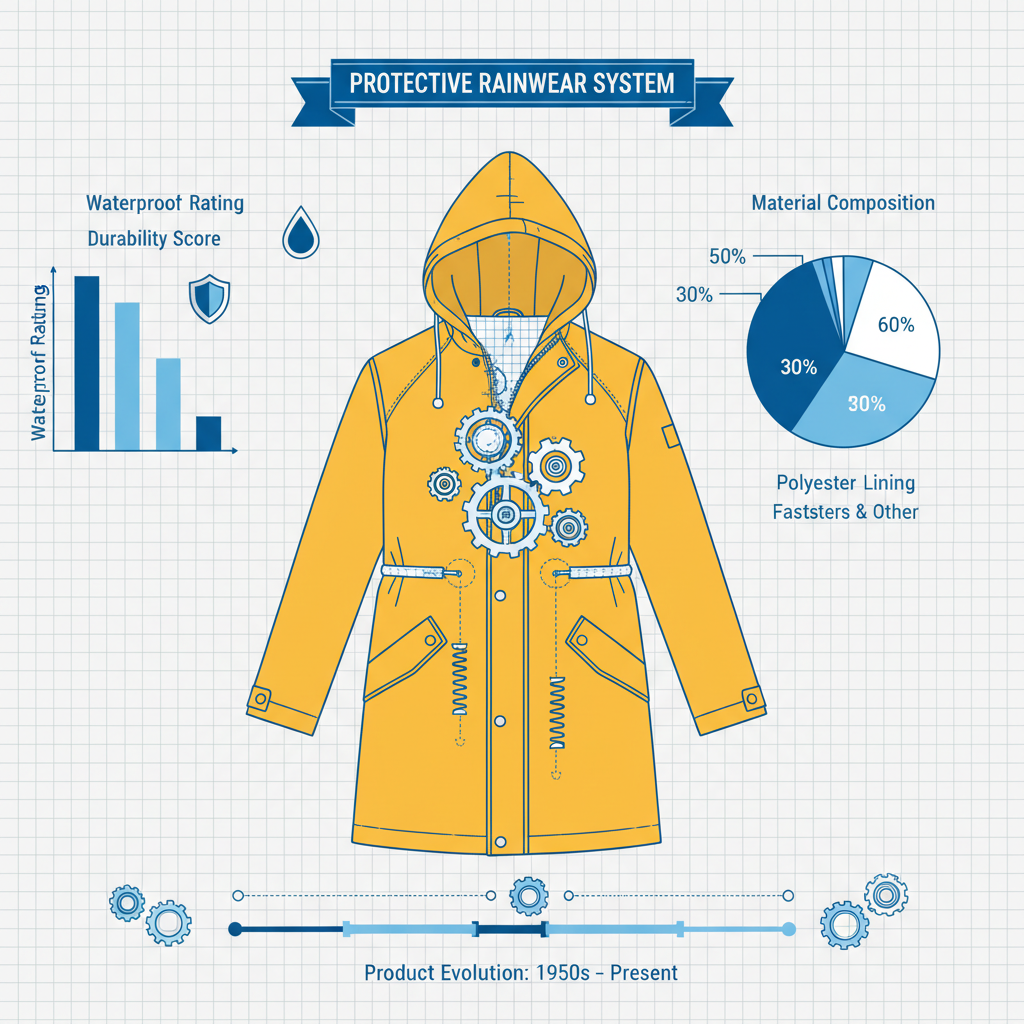
Whether it is used for heavy industrial labor or as a casual windbreaker, the balance between weight and protection is key. A jacket that is too heavy becomes a burden in warm rain, while one that is too light may fail during a storm. The following data illustrates how different design variations of the yellow rain jacket perform across key metrics.
Comparative Performance of Yellow Rain Jacket Variations
Global Industrial Applications and Use Cases
Across the globe, the classic yellow rain jacket is employed in diverse sectors. In the fishing industries of Norway and Alaska, these jackets are essential for survival, protecting workers from hypothermia and water ingress. In these regions, the garments are often paired with matching bib-and-brace trousers to create a full-body waterproof seal, ensuring that the wearer remains dry even in the most extreme oceanic conditions.
In addition to maritime use, the garment has seen widespread adoption in urban infrastructure maintenance. Utility workers in cities like London or Tokyo rely on the high visibility of the yellow raincoat to avoid accidents while working on roadsides during torrential downpours. The versatility of the design allows it to function as both a protective shell and a safety signal, reducing the need for multiple layers of clothing and improving the efficiency of the workforce.
Sustainability in Rainwear Manufacturing
The traditional manufacturing of a classic yellow rain jacket relied heavily on virgin plastics and PFAS-based water repellents, which pose significant environmental risks. However, the industry is currently undergoing a "green transition." Many leading manufacturers are now substituting traditional PVC with TPU (Thermoplastic Polyurethane) or recycled polyester, which are more biodegradable and have a lower carbon footprint during production.
Furthermore, the shift toward PFC-free (Perfluorinated Chemical-free) DWR coatings is a major milestone in sustainable apparel. These new coatings provide similar water-beading performance without releasing persistent organic pollutants into the ecosystem. This move not only protects the environment but also aligns with stricter EU and US environmental regulations, ensuring that the raincoat of the future is as clean as it is functional.
Circular economy initiatives are also taking root, with some brands implementing "take-back" programs where old yellow raincoats are collected, shredded, and pelletized to create new textile fibers. By closing the loop, the industry is moving away from the "fast fashion" model toward a durable, long-term utility model where a single high-quality jacket can last for a decade, significantly reducing landfill waste.
Future Innovations in Weather-Resistant Apparel
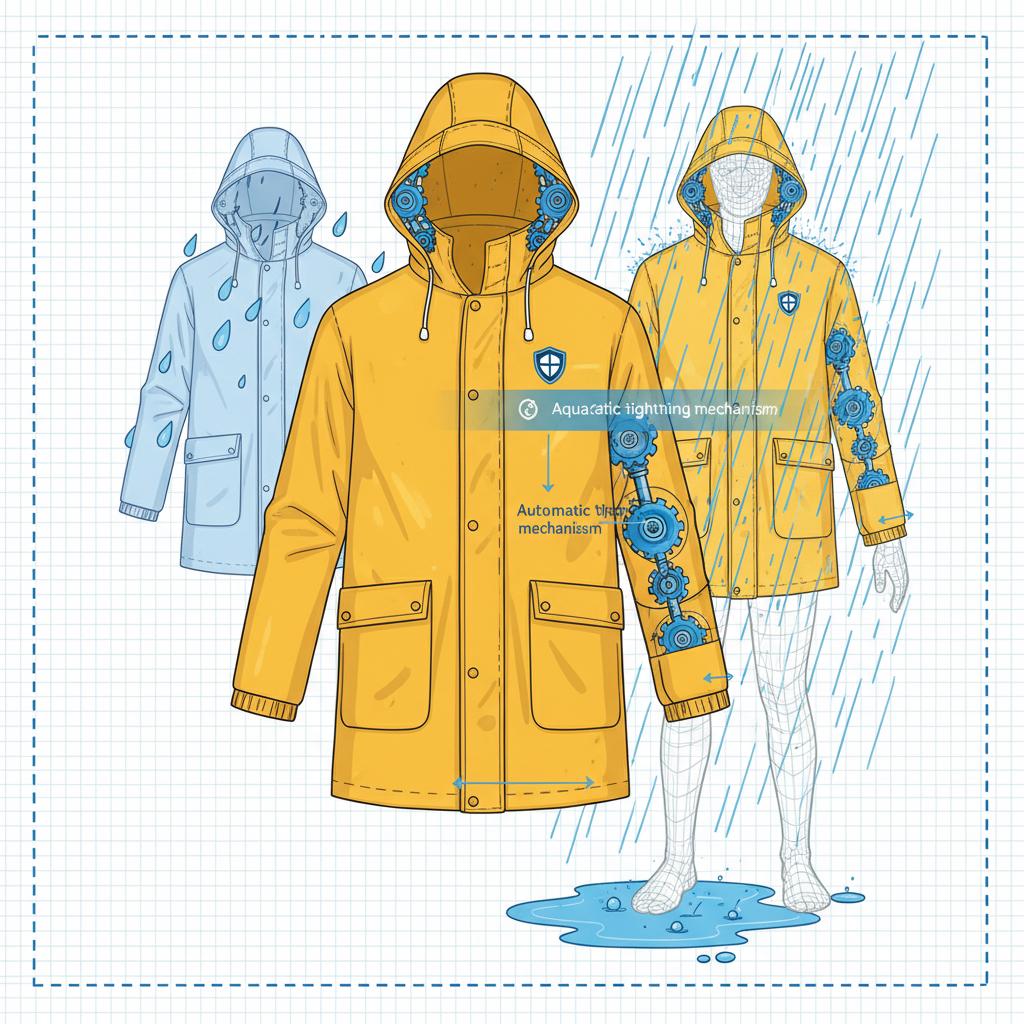
The future of the classic yellow rain jacket lies in the integration of "smart" textiles. Imagine a jacket that can change its breathability in real-time based on the wearer's body temperature or the external humidity levels. Using shape-memory alloys or responsive polymers, the fabric could open its pores when the wearer is active and seal them tight when the rain intensifies, providing an automated climate control system.
Digital transformation is also impacting the supply chain. 3D knitting and automated ultrasonic welding are replacing traditional stitching, allowing for zero-waste production and perfectly seamless joints. This not only increases the waterproof integrity of the jacket but also allows for customized fits that are tailored to the individual wearer's measurements, reducing the need for excess material.
Ultimately, the goal is to create a garment that is entirely carbon-neutral without sacrificing the legendary durability of the yellow raincoat. Through the use of bio-based polymers derived from corn or algae, the next generation of rainwear will likely be fully compostable at the end of its life cycle, proving that high-performance industrial gear can coexist with a healthy planet.
Comparison of Rain Jacket Material Technologies
|
Material Type
|
Waterproof Level
|
Breathability
|
Eco-Friendliness
|
| Heavy-duty PVC |
Extreme (10/10) |
Very Low (2/10) |
Low (3/10) |
| Premium PU Coating |
High (8/10) |
Moderate (5/10) |
Moderate (6/10) |
| ePTFE Membrane |
Very High (9/10) |
High (9/10) |
Moderate (5/10) |
| Recycled Polyester |
Moderate (7/10) |
Moderate (6/10) |
High (9/10) |
| Bio-based TPU |
High (8/10) |
Moderate (6/10) |
Extreme (10/10) |
| Rubberized Cotton |
High (7/10) |
Low (3/10) |
Moderate (7/10) |
FAQS
Yellow was chosen primarily for safety and visibility. In marine and industrial environments, yellow provides the highest contrast against gray skies, blue water, and urban concrete. This makes the wearer easily identifiable from a distance, which is critical for search-and-rescue operations and preventing accidents in low-visibility weather conditions.
Check for two things: the material coating and the seams. A waterproof jacket will typically have a PU or PVC coating and, most importantly, "taped" or "heat-sealed" seams. Water-resistant jackets usually just have a DWR finish on the fabric and sewn seams, which will eventually leak under heavy pressure or prolonged rain.
Yes, but it depends on the technology. Traditional PVC jackets are not breathable. However, modern versions using microporous membranes (like Gore-Tex or advanced PU) allow water vapor (sweat) to escape while blocking liquid water from entering. Look for "breathable waterproof" labels for active use.
Avoid harsh detergents and bleach, which can degrade the waterproof coating and fade the yellow pigment. Use a mild, pH-neutral soap and a damp cloth for spot cleaning. If machine washing is allowed, use a cold, gentle cycle and avoid fabric softeners, as they can clog the breathable pores of the fabric.
A rain jacket is designed as an outer shell to block wind and water. While it prevents wind chill, it provides very little insulation. For extreme cold, the classic yellow rain jacket should be worn as the outermost layer over a thermal fleece or down jacket to trap body heat.
Absolutely. Many brands are moving toward TPU (Thermoplastic Polyurethane) and recycled PET polyester. These materials offer similar waterproof performance but are more sustainable and free from the harmful phthalates often found in cheap PVC. Always look for "PFC-free" and "Recycled" certifications.
Conclusion
The classic yellow rain jacket remains an indispensable tool in the global fight against the elements, blending historical maritime utility with cutting-edge textile engineering. By prioritizing high-visibility aesthetics and rigorous waterproof standards, this garment ensures safety and comfort across a vast array of industries, from commercial fishing to urban infrastructure. Its transition toward sustainable, PFC-free materials further cements its relevance in a world increasingly focused on environmental responsibility.
As we look toward the future, the integration of smart textiles and circular manufacturing will only enhance the value of this iconic piece of apparel. Whether you are a professional seeking industrial-grade protection or a consumer looking for a timeless, durable outerwear piece, investing in a high-quality yellow raincoat is a decision rooted in both logic and safety. To find the perfect balance of durability and style, we invite you to explore our full range of weather-resistant solutions. Visit our website: www.mayraincoat.com
 rainwears@163.com may@may-rain.com
 Mon to Friday: 8.00 am - 7.00 pm