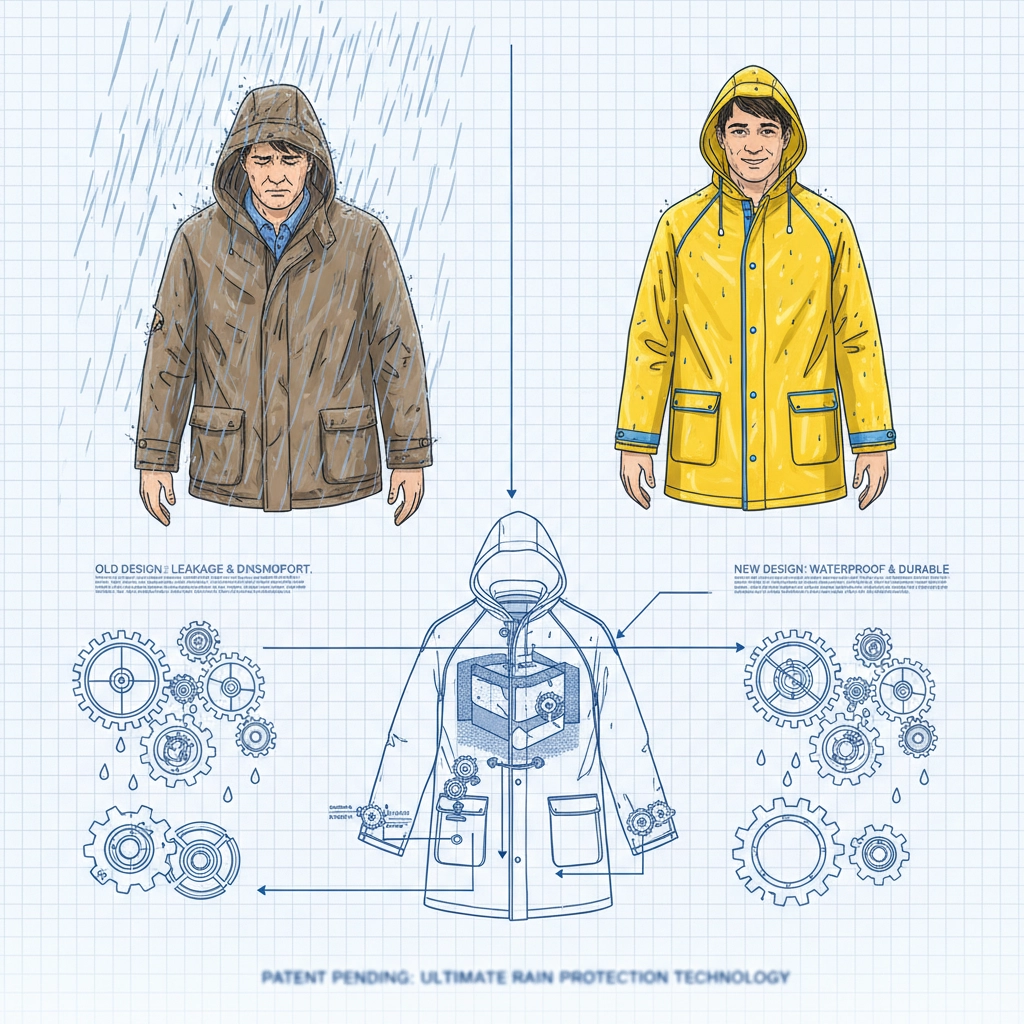
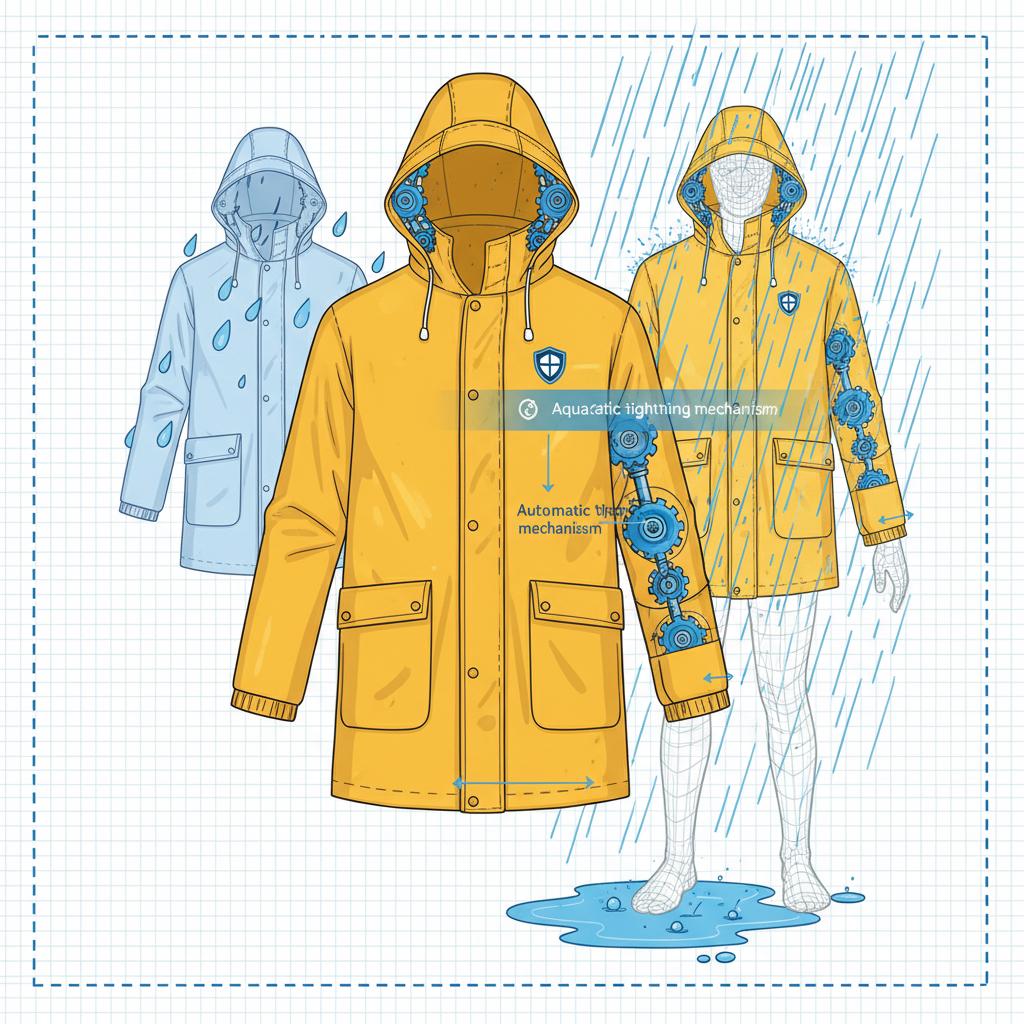
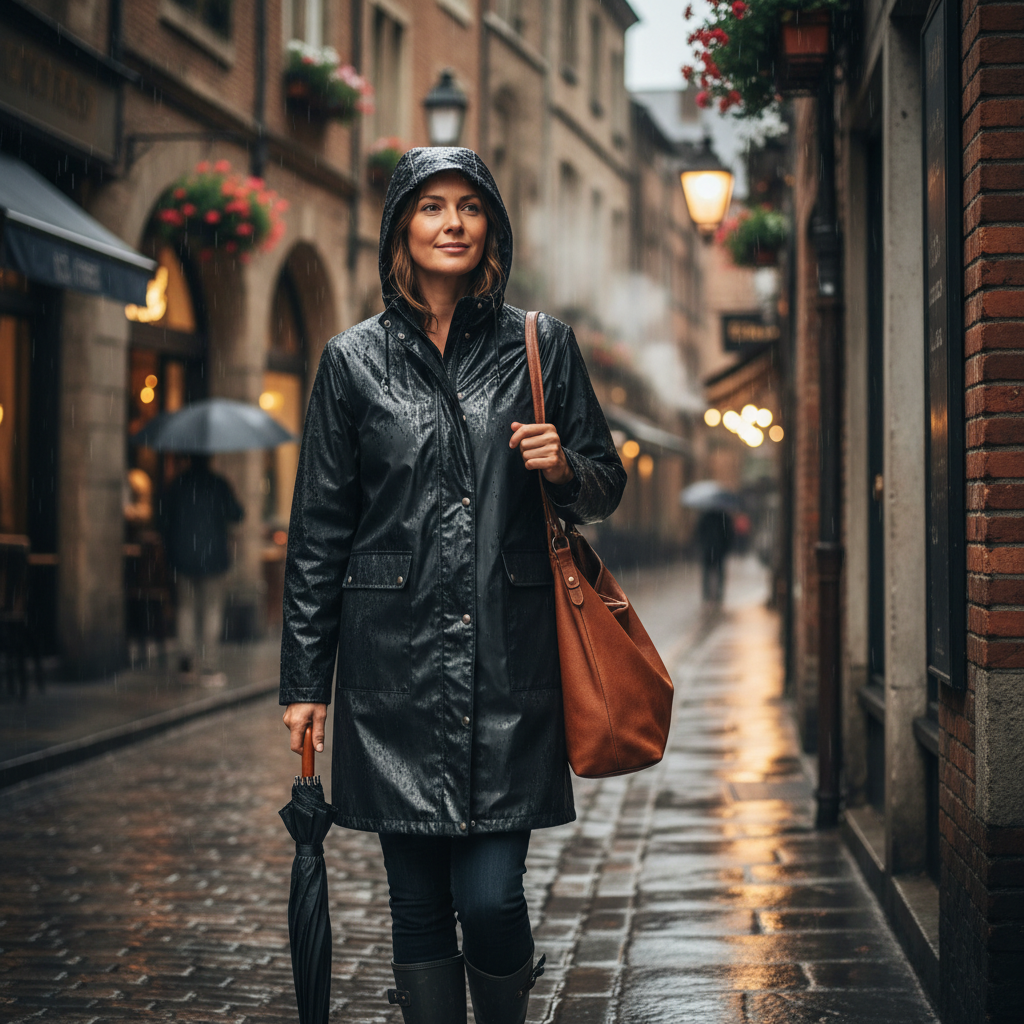
The classic yellow raincoat is more than just a piece of outerwear; it is a global symbol of protection, visibility, and timeless style. From the rugged coastlines of the North Atlantic to the bustling streets of modern metropolises, this iconic garment has evolved from a purely functional maritime tool into a versatile fashion staple that bridges the gap between industrial utility and urban aesthetics.
In the contemporary textile industry, the production of these garments reflects a sophisticated blend of polymer chemistry and ergonomic design. Understanding the nuances of material science—such as the transition from heavy rubberized fabrics to breathable, lightweight membranes—is essential for consumers and procurement managers alike who seek a balance between absolute waterproofing and wearer comfort.
Beyond its physical attributes, the enduring popularity of the classic yellow raincoat stems from its psychological impact; the high-visibility hue ensures safety in low-light rainstorms, while its association with nautical heritage evokes a sense of adventure and resilience against the elements.
The Evolution of the Classic Yellow Raincoat
The history of the classic yellow raincoat is deeply rooted in the necessity of maritime safety. Originally developed for fishermen and sailors who faced the brutal conditions of the open sea, the choice of yellow was not aesthetic but strategic. High-contrast colors were vital for rescue operations, ensuring that a person overboard could be spotted amidst the grey, churning waves of the ocean.
As textile manufacturing advanced, these garments transitioned from heavy, cumbersome oilskins to the refined, lightweight versions we see today. The integration of synthetic polymers has allowed the industry to maintain that iconic vivid hue while drastically reducing the weight and increasing the breathability of the fabric, making it suitable for both professional industrial use and casual daily wear.
Material Science and Waterproofing Technologies
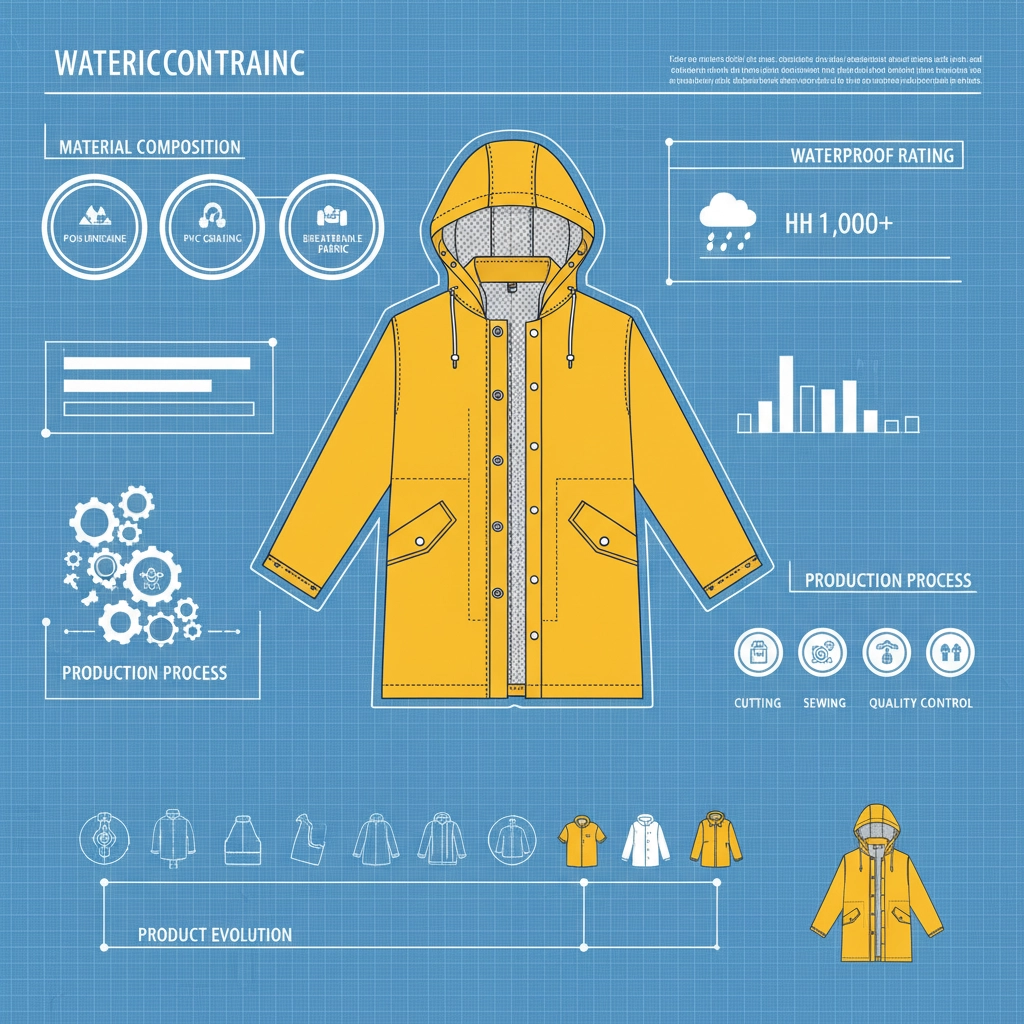
The effectiveness of a classic yellow raincoat depends primarily on the chemical composition of its outer shell. Modern iterations often utilize PVC (Polyvinyl Chloride) or PU (Polyurethane) coatings, which create an impermeable barrier against water molecules. For higher-end technical gear, membranes like ePTFE are used, allowing water vapor to escape from the inside while preventing liquid water from entering.
A critical component often overlooked is the seam sealing process. Even the most waterproof fabric will fail if the needle holes from stitching are not sealed. Thermal welding and adhesive taping are employed to ensure that every joint is airtight, transforming the garment into a true shield against torrential downpours.
Furthermore, the "classic yellow" pigment is now engineered to be UV-resistant. In the past, prolonged exposure to sunlight would cause these coats to fade or become brittle. Today, advanced color-fast dyes and UV stabilizers are integrated into the polymer matrix, ensuring the raincoat retains its safety-critical visibility for years of service.
Key Design Elements for Maximum Utility
When evaluating a classic yellow raincoat, the architecture of the hood is paramount. A professional-grade design includes an adjustable drawstring and a stiffened brim to prevent water from dripping directly onto the face, ensuring that the wearer's vision remains unobstructed during heavy rain.
The integration of storm flaps over the zippers is another hallmark of the classic yellow raincoat. By utilizing snap-buttons or Velcro closures over the main zipper, manufacturers eliminate the "leak point" that commonly plagues inferior rainwear, providing a dual layer of defense.
Finally, the ergonomic fit—including articulated elbows and adjustable cuffs—allows for a full range of motion. Whether the user is operating machinery in a factory or navigating a city street, the structure of the classic yellow raincoat is designed to prevent the garment from riding up or restricting movement.
Performance Analysis of Protective Gear
To quantify the efficiency of different rainwear options, we analyze various metrics such as hydrostatic head pressure (the amount of water pressure a fabric can withstand before leaking) and breathability ratings. The classic yellow raincoat generally excels in absolute waterproofing, making it superior for extreme conditions compared to light windbreakers.
The following data represents the comparative performance of various yellow rainwear constructions based on industrial testing standards, focusing on durability, waterproofness, and comfort.
Comparison of Yellow Rainwear Construction Methods
Global Applications Across Diverse Industries
The utility of the classic yellow raincoat extends far beyond casual rain protection. In the logistics and warehousing sectors, these coats are standard issue for personnel working in cold-storage loading docks or outdoor shipping yards, where visibility is a primary safety requirement to prevent accidents with heavy machinery.
In humanitarian and disaster relief operations, the distribution of high-visibility rain gear is crucial. In flood-prone regions of Southeast Asia or during hurricane recovery in the Caribbean, the classic yellow raincoat serves as an essential tool for rescue workers to remain visible to helicopters and drones while staying dry in saturated environments.
Sustainability and Eco-Friendly Manufacturing
The textile industry is currently undergoing a "green revolution," and the production of the classic yellow raincoat is no exception. Manufacturers are increasingly moving away from PFCs (perfluorinated chemicals) in their water-repellent coatings, as these substances are persistent in the environment and harmful to human health.
Innovative brands are now experimenting with recycled polymers, such as rPET (recycled polyethylene terephthalate) derived from ocean plastic, to create the shell of the raincoat. This not only reduces the carbon footprint of the garment but also aligns the product with the circular economy goals of the modern manufacturing sector.
Furthermore, the shift toward modular design—where zippers and buttons can be easily replaced—extends the lifecycle of the classic yellow raincoat. By discouraging the "throwaway culture," the industry is reducing the volume of non-biodegradable plastics entering landfills.
Maintenance and Longevity Strategies
To ensure that a classic yellow raincoat maintains its protective properties, proper maintenance is essential. One of the most common mistakes is the use of harsh detergents or fabric softeners, which can break down the waterproof coating and clog the pores of breathable membranes.
Regular cleaning with a damp cloth and a pH-neutral soap is generally sufficient. For garments that have lost their "beading" effect (where water rolls off the surface), applying a specialized DWR (Durable Water Repellent) spray can restore the surface tension and extend the life of the coat.
Storage also plays a pivotal role; folding a classic yellow raincoat too tightly for long periods can create permanent creases in the plastic coating, leading to micro-cracks and eventual leaks. Hanging the garment in a cool, dry place away from direct sunlight is the best practice for longevity.
Analysis of Maintenance Impact on Raincoat Longevity
| Maintenance Method |
Waterproof Integrity |
Color Retention |
Expected Lifespan |
| Damp Cloth Wipe |
High (10/10) |
Excellent |
5+ Years |
| Machine Wash (Cold) |
Medium (6/10) |
Good |
3-4 Years |
| DWR Re-treatment |
Very High (9/10) |
Stable |
6+ Years |
| Harsh Detergents |
Low (3/10) |
Faded |
1-2 Years |
| Sun-Drying |
Medium (5/10) |
Poor |
2-3 Years |
| Hanging Storage |
High (10/10) |
Excellent |
7+ Years |
FAQS
It depends on the material. Traditional PVC classic yellow raincoats are completely waterproof but offer little to no breathability. However, modern versions using PU or laminated membranes are designed to be "semi-permeable," meaning they let moisture vapor escape while blocking liquid rain, significantly reducing the "sauna effect."
The easiest test is the "bead test." Drop a few droplets of water on the surface; if they bead up and roll off, the DWR coating is intact. If the water soaks into the fabric (wetting out), it's time to re-treat the garment with a waterproof spray or consider a replacement.
Yellow provides the highest contrast against the dark backgrounds typically found in rainy or stormy weather, such as grey skies, dark oceans, or asphalt roads. This makes the classic yellow raincoat a critical safety tool for visibility in hazardous environments.
While some can be machine-washed on a gentle, cold cycle, it is generally not recommended for heavy-duty PVC coats as the agitation can crack the coating. Always check the care label. If you must use a machine, avoid spin-drying and never use a tumble dryer, as high heat can melt the waterproofing.
A poncho is typically an open-sided, oversized garment that is easier to put on quickly and offers better ventilation. A full classic yellow raincoat provides a structured fit with sleeves and closures, offering superior wind protection and better water-blocking capabilities for professional use.
A raincoat's primary job is water resistance, not insulation. While a classic yellow raincoat blocks wind and rain, it doesn't provide warmth. For extreme cold, it should be used as an outer shell over a fleece or insulated jacket to create a complete weather-protection system.
Conclusion
The classic yellow raincoat remains an indispensable tool in the intersection of safety, utility, and style. By evolving from simple oilskins to high-tech polymer garments, it has proven its ability to adapt to the needs of diverse industries—from maritime fishing and disaster relief to urban commuting. The combination of high-visibility coloring and advanced waterproof membranes ensures that the wearer remains safe and dry, regardless of the environmental challenges.
Looking forward, the industry's shift toward sustainable, recycled materials will ensure that this iconic garment protects not only the person wearing it but also the planet. Whether you are a procurement officer for an industrial site or an individual seeking reliable weather protection, investing in a high-quality, well-maintained yellow raincoat is a decision that pays dividends in safety and longevity. Visit our website: www.mayraincoat.com
 rainwears@163.com may@may-rain.com
 Mon to Friday: 8.00 am - 7.00 pm