rainwears@163.com may@may-rain.com
 Mon to Friday: 8.00 am - 7.00 pm
 rainwears@163.com may@may-rain.com Mon to Friday: 8.00 am - 7.00 pm


The baba raincoat, a seemingly simple garment, represents a crucial element in protection against the elements, with implications ranging from individual comfort to large-scale disaster relief. Its importance extends beyond mere functionality; a quality baba raincoat provides dignity, safety, and a sense of security in challenging conditions. Understanding the nuances of baba raincoat design, materials, and application is increasingly vital in a world facing unpredictable weather patterns and escalating humanitarian crises.
Globally, the demand for effective rain protection is steadily rising, driven by climate change and increasing urbanization. According to the UN Office for Disaster Risk Reduction, weather-related disasters have increased fivefold over the past 50 years, highlighting the urgent need for robust protective measures. The baba raincoat, when produced and distributed effectively, can mitigate the impact of these events, safeguarding vulnerable populations and supporting essential operations.
The baba raincoat isn’t just about staying dry; it’s about resilience. The global market for rainwear is projected to reach substantial figures in the coming years, underscoring its economic significance and the potential for innovation in materials and design. Efficiently sourced and distributed baba raincoat can address a critical need, especially in areas prone to heavy rainfall or experiencing humanitarian emergencies.
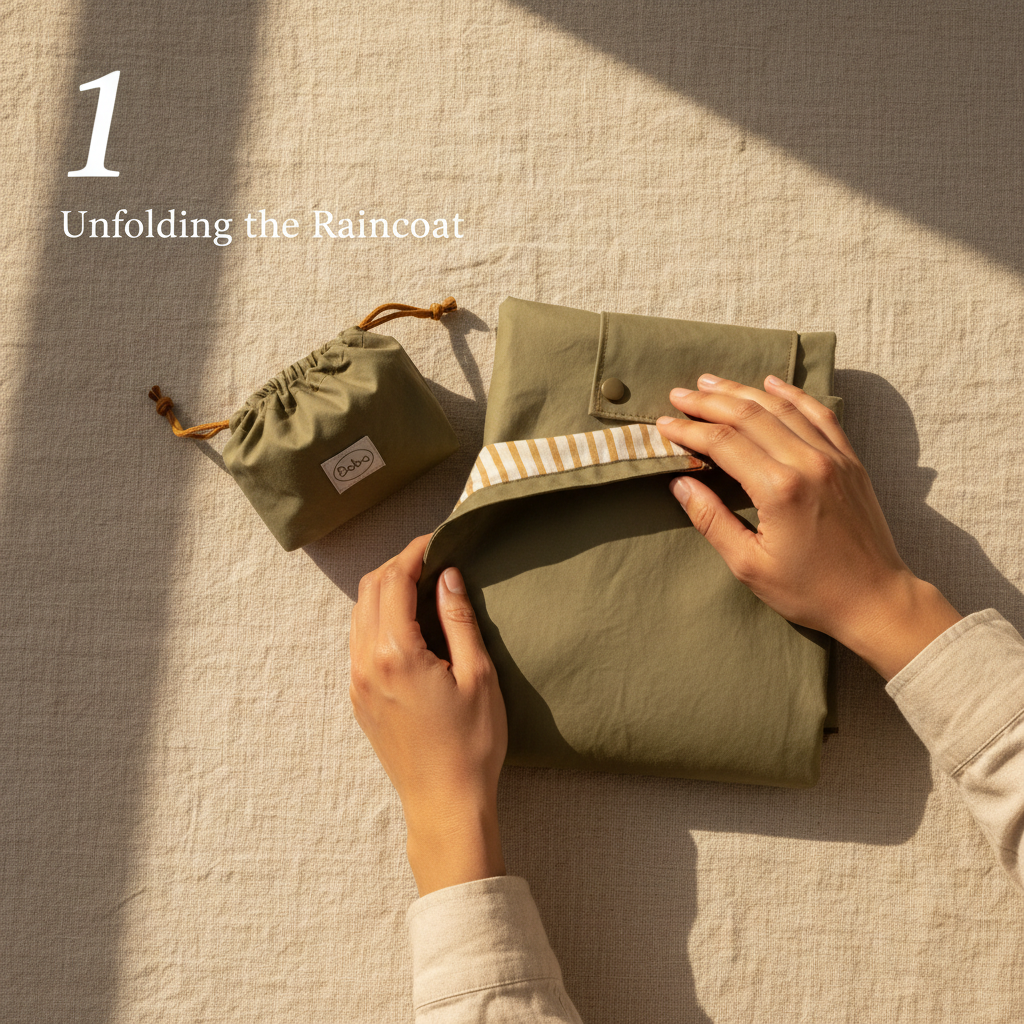
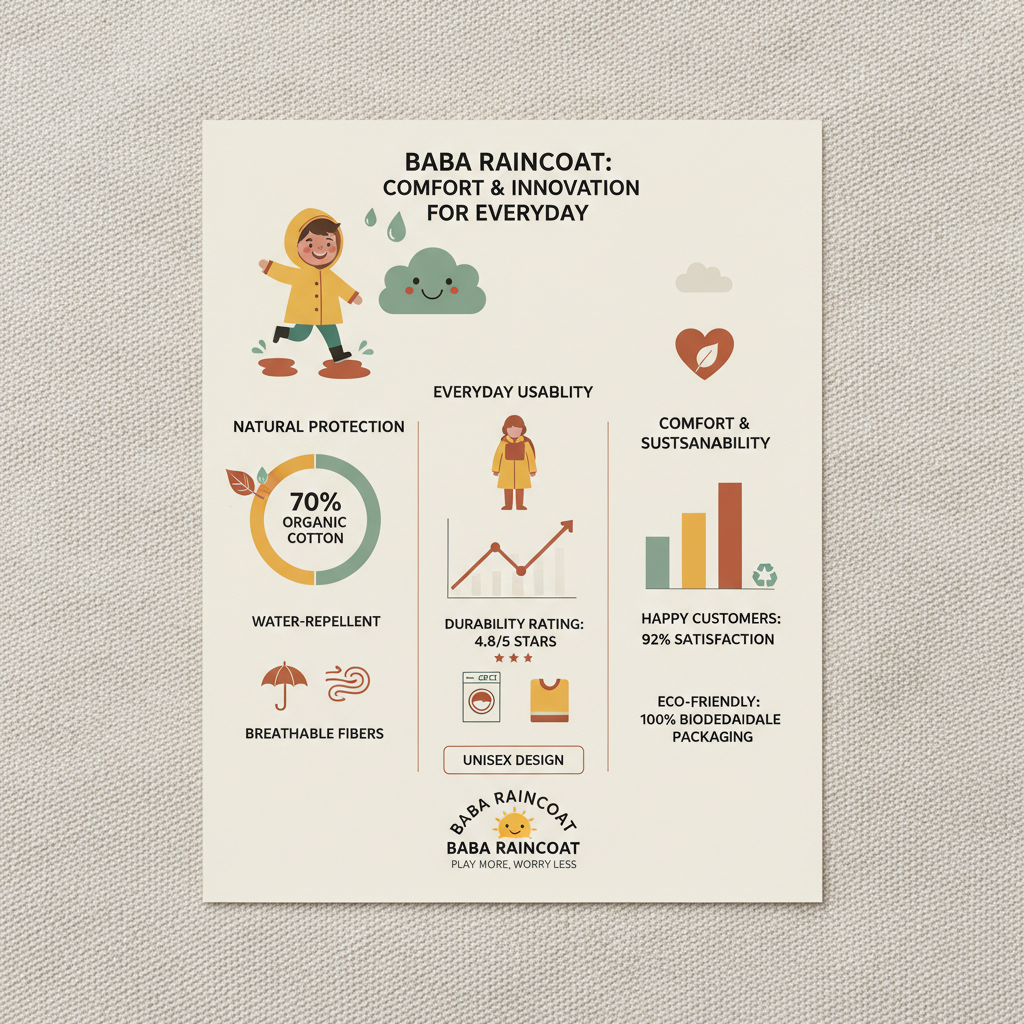
At its heart, the effectiveness of a baba raincoat lies in its ability to provide a reliable barrier against water penetration. This requires careful consideration of materials, construction, and design elements. The principle of water repellency, achieved through coatings or inherently waterproof fabrics, is paramount.
Beyond simple waterproofing, a functional baba raincoat must also address breathability to prevent condensation buildup and maintain user comfort. Balancing these two properties – keeping water out while allowing moisture to escape – is a central challenge in baba raincoat design. The overall principles revolve around protection, comfort, and durability, ensuring the baba raincoat meets the needs of its intended user.
A baba raincoat typically prioritizes full-body coverage and robust waterproofing, often using heavier-duty materials compared to a standard rain jacket. It’s designed for more prolonged exposure to the elements and may include features like a hood with a wider brim and a longer length for added protection. This makes it ideal for more demanding situations where complete protection from rain is paramount.
Proper care involves regular cleaning with mild soap and water, avoiding harsh chemicals or bleach. Always check the manufacturer’s instructions, but typically, air drying is recommended over machine drying, as heat can damage waterproof coatings. Storing your baba raincoat in a dry, ventilated area will also help maintain its performance over time.
It’s crucial to check the product specifications. While many baba raincoats are fully waterproof, some may only be water-resistant. Waterproof baba raincoats typically feature sealed seams and waterproof fabrics, while water-resistant options offer some protection but may not withstand heavy or prolonged rain. Always look for terms like "waterproof" or a waterproof rating (e.g., mm rating) to ensure adequate protection.
Common materials include PVC, polyurethane (PU), nylon, and polyester. More advanced baba raincoats may utilize breathable membranes like Gore-Tex or other proprietary waterproof-breathable fabrics. The choice of material impacts the raincoat's weight, durability, breathability, and cost. Sustainable options like recycled polyester are also becoming increasingly prevalent.
Yes, minor damage like small tears can often be repaired using waterproof repair tape or patches specifically designed for outdoor gear. For more significant damage, professional repair services may be available. Early repair can significantly extend the lifespan of your baba raincoat, preventing minor issues from escalating into larger problems.
It's essential to choose a size that allows for comfortable movement and layering of clothing underneath. Consult the manufacturer’s size chart and consider your body measurements. A baba raincoat that is too tight will restrict movement, while one that is too loose may not provide adequate protection. Allowing some extra room for bulky clothing is always a good idea.
In conclusion, the baba raincoat, from its historical origins to its modern iterations, stands as a testament to human ingenuity and the enduring need for protection against the elements. Its evolution reflects advancements in materials science, design innovation, and a growing awareness of sustainability. Understanding the core principles, applications, and future trends surrounding the baba raincoat is crucial for anyone involved in disaster preparedness, outdoor activities, or simply seeking reliable rain protection.
Looking ahead, we anticipate continued innovation in baba raincoat technology, with a focus on eco-friendly materials, enhanced performance, and increased accessibility. The baba raincoat will undoubtedly remain an essential component of personal safety and resilience, adapting to meet the challenges of a changing world. To explore our range of baba raincoats and learn more about our commitment to quality and sustainability, visit our website: www.mayraincoat.com.