When facing unpredictable weather, the versatility of a cape raincoat offers an unparalleled blend of protection and convenience. Unlike traditional fitted jackets, the cape design allows for maximum airflow and ease of movement, making it an essential piece of gear for commuters, outdoor enthusiasts, and industrial workers alike who cannot afford to let a downpour stall their productivity.
Globally, the demand for specialized rainwear has shifted toward multifunctional designs that accommodate layers and bags. The cape raincoat addresses this need by providing a broad, sweeping coverage that shields not only the wearer but often their equipment or luggage, bridging the gap between a simple poncho and a heavy-duty raincoat.
Understanding the engineering behind a high-quality cape raincoat—from the hydrophobic coatings to the ergonomic drapery—is key to selecting a product that ensures long-term durability. By focusing on material science and user-centric design, modern manufacturers are transforming this classic garment into a high-performance tool for weather resilience.
The Fundamental Design of the Cape Raincoat
The essence of a cape raincoat lies in its oversized, draped silhouette. Unlike traditional rain-jackets that rely on tight seals at the wrists and waist, the cape design focuses on shedding water away from the body through a wide radius. This structural approach prevents the "sauna effect" often experienced in waterproof clothing by allowing natural ventilation through the open sides and bottom.
From a manufacturing perspective, the geometry of the cape raincoat is engineered to provide a protective canopy. By extending the fabric over the shoulders and upper arms, it creates a natural runoff system that ensures water is diverted outward, keeping the wearer's core dry while providing enough space to wear a backpack or heavy clothing underneath without compromising the fit.
Global Market Relevance and Weather Adaptation
In an era of increasing climate volatility, the global demand for adaptable protective wear has surged. Data from meteorological agencies indicate a rise in sudden, heavy precipitation events in urban centers, making the quick-deployment nature of a cape raincoat highly valuable. In regions like Southeast Asia and Northern Europe, where rainfall is frequent and unpredictable, the ability to quickly throw on a protective layer is a matter of both health and professional efficiency.
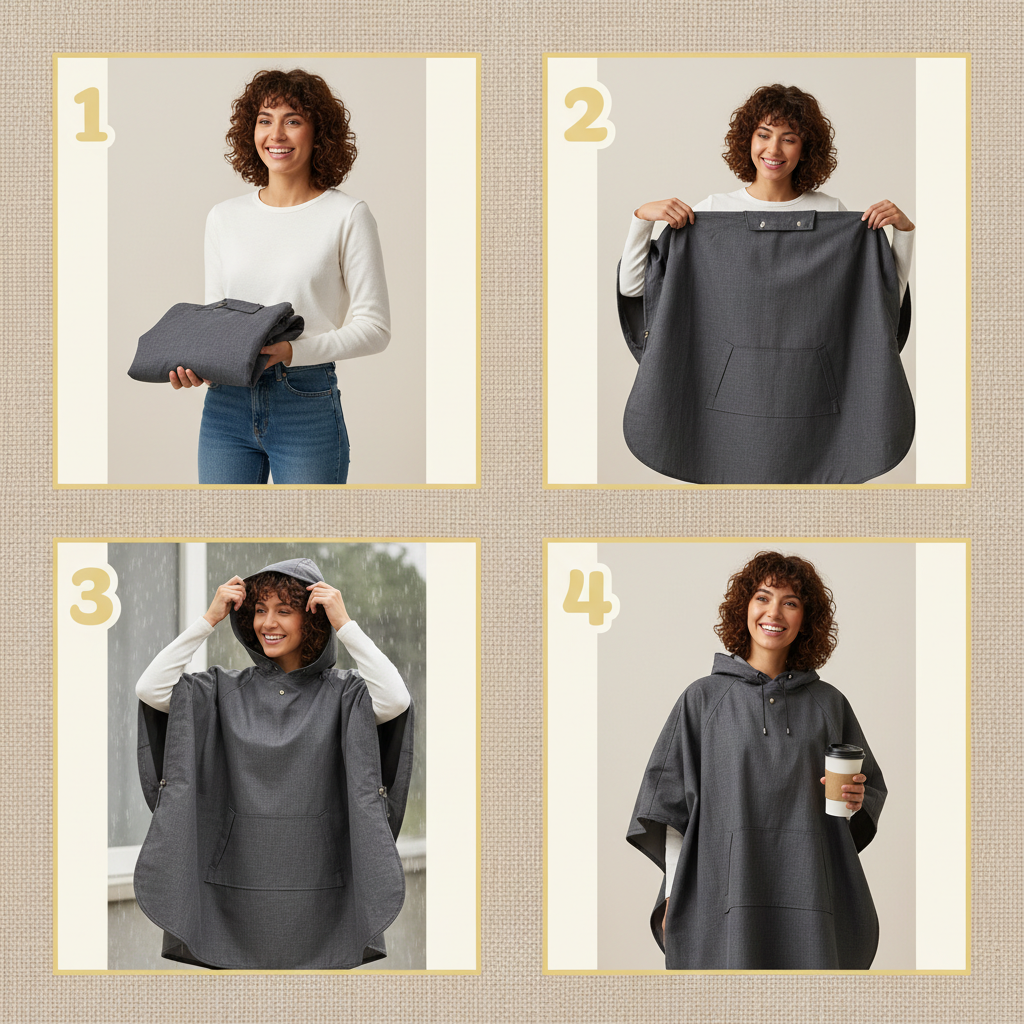
The challenge many face is the trade-off between full-body protection and mobility. Standard rainsuits can be cumbersome to put on and take off, often requiring the wearer to remove other layers. The cape raincoat solves this dilemma by offering a "slip-on" solution that provides immediate coverage for the upper body and critical gear, reducing the time spent transitioning between indoor and outdoor environments.
Furthermore, the integration of lightweight, high-tenacity polymers has allowed these garments to be portable. Modern versions can be folded into compact pouches, aligning with the global trend toward "on-the-go" utility. This adaptability makes them a preferred choice for tourism sectors, urban commuting, and emergency response teams who need reliable shelter from the rain without the bulk of traditional gear.
Core Material Components for Maximum Waterproofing
The efficacy of a cape raincoat depends heavily on the selection of the base textile. High-grade PVC (Polyvinyl Chloride) and PU (Polyurethane) coatings are industry standards, providing a non-porous barrier that prevents water penetration. The focus is on achieving a high hydrostatic head rating, ensuring that the fabric does not leak even under the pressure of heavy wind-driven rain.
Beyond the base fabric, the seam construction of a cape raincoat is critical. Heat-sealed or taped seams are utilized to ensure that the points of connection—where the fabric is joined—do not become entry points for moisture. This technical detail transforms a simple piece of plastic into a professional-grade piece of weather equipment.
Finally, the addition of DWR (Durable Water Repellent) finishes allows water to bead and roll off the surface of the cape raincoat instantly. This not only keeps the garment lightweight by preventing water absorption but also speeds up the drying process, ensuring the gear is ready for repeated use in humid conditions.
Comparative Performance Analysis of Rainwear Styles
When evaluating different types of protective gear, it becomes clear that the cape design occupies a unique niche. While a full rainsuit offers the most comprehensive coverage, it lacks the breathability and ease of access found in a cape raincoat. Conversely, a standard umbrella provides coverage but leaves the wearer's sides vulnerable to wind-blown rain and occupies one of their hands.
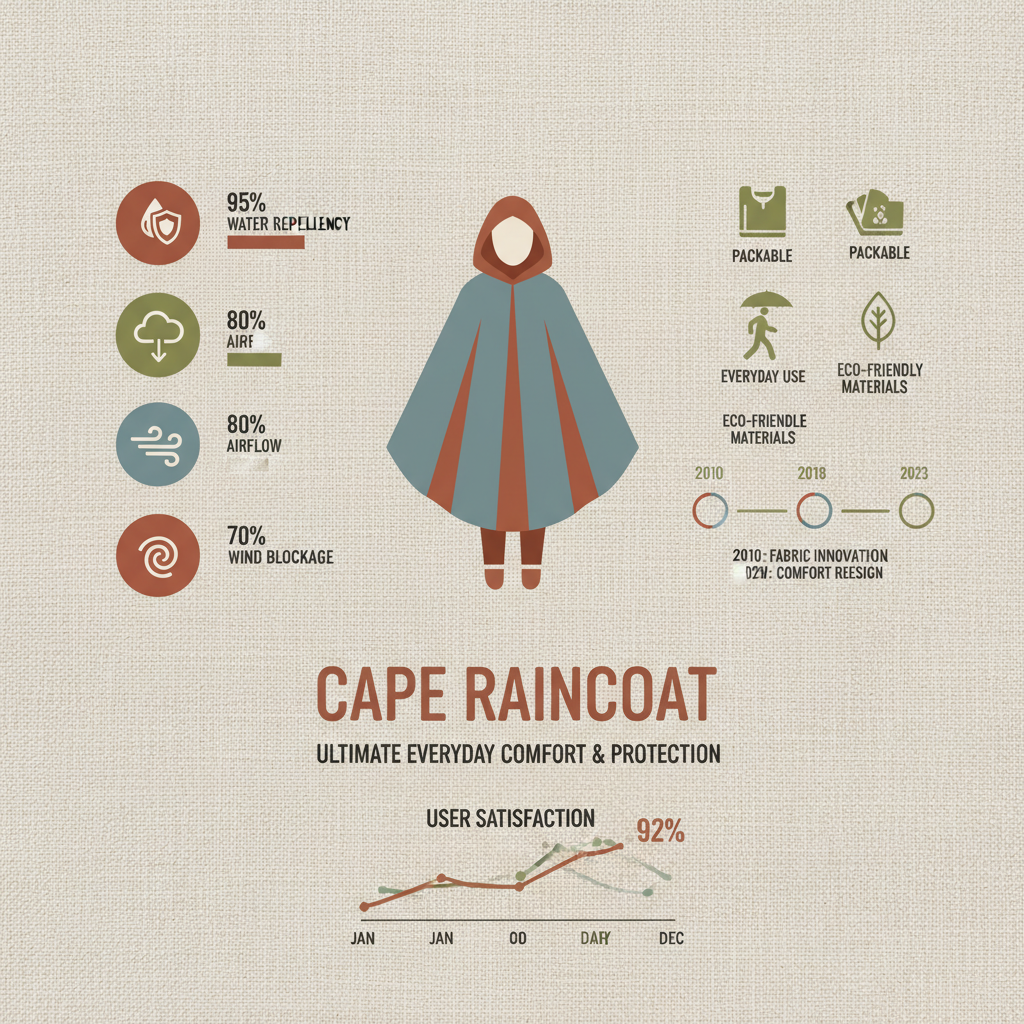
The cape style excels in scenarios where versatility is paramount. By analyzing metrics such as deployment speed, ventilation, and gear compatibility, the cape raincoat consistently outperforms traditional jackets in urban and light-industrial settings where users need to move quickly and carry accessories.
Performance Comparison of Rainwear Types
Practical Applications Across Diverse Industries
The application of the cape raincoat extends far beyond casual use. In the logistics and delivery sector, couriers frequently utilize cape-style gear because it allows them to cover their delivery bags and themselves in one motion, ensuring that parcels remain dry during transit without hindering the driver's arm movement.
Similarly, in the agricultural and light industrial sectors, workers often prefer the cape design for its ability to be worn over bulky work uniforms. In remote industrial zones, where workers must navigate uneven terrain in wet conditions, the cape provides the necessary protection without restricting the leg movement required for safety and stability.
Long-Term Value and Sustainability Benefits
Investing in a high-quality cape raincoat provides significant long-term value compared to the cycle of purchasing disposable alternatives. While disposable ponchos are common, their environmental impact is devastating, contributing to massive amounts of single-use plastic waste. A durable, reusable cape reduces this footprint while offering superior protection.
From a cost-efficiency perspective, a professional-grade cape is designed for longevity. By using reinforced edges and UV-resistant coatings, these garments withstand the wear and tear of daily use. The logic is simple: a one-time investment in a high-tenacity garment eliminates the need for constant replacements, saving the user money and reducing landfill contributions.
Beyond the financial and environmental aspects, there is an emotional value tied to reliability. Knowing that you have a dependable shield against the elements provides a sense of security and dignity, especially for those whose livelihoods depend on their ability to operate outdoors regardless of the weather.
Future Innovations in Smart Rainwear Technology
The future of the cape raincoat is being shaped by advancements in material science. We are seeing the emergence of "smart textiles" that can change their breathability based on the wearer's body temperature and the external humidity. These adaptive membranes will allow the cape to remain fully waterproof during a storm but become highly breathable during light drizzle or high activity.
Sustainability is also driving innovation, with the development of biodegradable polymers and recycled ocean plastics. Future capes will likely be crafted from 100% recycled PET, maintaining the same hydrostatic performance as virgin plastics while significantly lowering the carbon footprint of the textile manufacturing process.
Additionally, the integration of digital safety features, such as embedded LED strips for high-visibility in low-light rain, is becoming more common. This transformation from a passive garment to an active safety tool ensures that the cape raincoat remains relevant in an increasingly tech-driven industrial landscape.
Technical Analysis of Modern Cape Raincoat Material Options
| Material Type |
Waterproof Rating |
Breathability Score |
Durability Index |
| Heavy Duty PVC |
10/10 |
2/10 |
9/10 |
| Premium PU Coating |
9/10 |
5/10 |
8/10 |
| Recycled Polyester |
8/10 |
7/10 |
7/10 |
| Lightweight Nylon |
7/10 |
8/10 |
6/10 |
| Eco-Friendly TPU |
9/10 |
6/10 |
8/10 |
| Hybrid Composite |
9/10 |
7/10 |
9/10 |
FAQS
The primary advantage of a cape raincoat is its superior ventilation and versatility. While traditional raincoats can feel restrictive and trap heat, the cape's open design allows air to circulate, reducing perspiration. Additionally, the cape silhouette allows users to cover backpacks or large bags, which is nearly impossible with a standard fitted jacket.
PVC is generally more rigid and offers maximum waterproofing, making it ideal for heavy-duty industrial use or extreme downpours. PU (Polyurethane) is softer, more flexible, and typically more breathable, making it a better choice for urban commuting, walking, or activities that require more physical agility.
Because of their wide surface area, capes can act like sails in very high winds. However, high-quality cape raincoats often include drawstrings or weighted hems to minimize billowing. For extreme wind, we recommend pairing a cape with a waist-cinching belt to keep the garment close to the body.
Yes, significantly. A single durable cape raincoat can replace hundreds of disposable plastic ponchos over its lifetime. By opting for reusable materials and sustainable manufacturing processes, you drastically reduce the amount of microplastics and waste entering the environment.
Avoid machine washing, as the agitation can damage the waterproof coatings and seam tapes. Instead, wipe the garment down with a damp cloth and mild soap. Always ensure the cape is completely air-dried in a shaded area before folding it to prevent mildew and maintain the integrity of the hydrophobic layer.
Absolutely. In addition to wearing it, many users utilize a large cape raincoat as an improvised emergency shelter, a groundsheet for sitting, or a protective cover for cooking equipment. Its large surface area makes it a multi-purpose tool for any outdoor kit.
Conclusion
The cape raincoat represents a perfect intersection of traditional utility and modern material science. By prioritizing airflow, ease of deployment, and gear compatibility, it solves the fundamental problems associated with traditional rainwear. Whether through the use of high-tenacity PU coatings or the shift toward sustainable, recycled textiles, the cape design continues to provide an efficient, reliable, and environmentally conscious solution for weather protection.
As we move toward a future of smarter, more sustainable apparel, the evolution of the cape raincoat will likely focus on adaptive breathability and integrated safety features. For those seeking a balance between absolute dryness and daily practicality, investing in a professional-grade cape is a strategic choice for long-term resilience. Discover the perfect blend of form and function by visiting our website: www.mayraincoat.com.
 rainwears@163.com may@may-rain.com
 Mon to Friday: 8.00 am - 7.00 pm