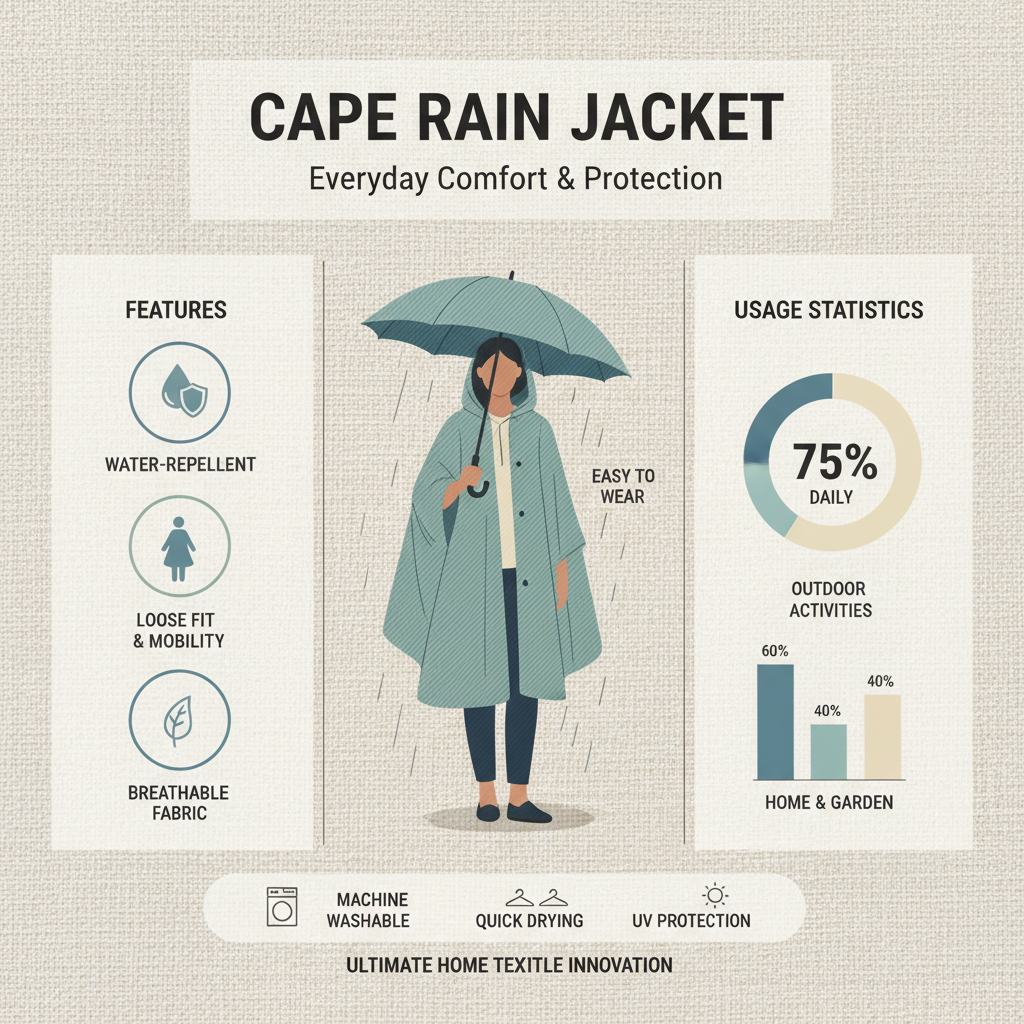
The modern outerwear market has seen a significant resurgence in the popularity of the cape rain jacket, a garment that blends traditional protective utility with contemporary fashion. As global weather patterns become increasingly unpredictable, the demand for versatile, quick-deploy rainwear has transitioned from a niche requirement to a mainstream necessity for commuters and outdoor enthusiasts alike.
Unlike standard raincoats, the unique architectural drape of a cape rain jacket provides superior ventilation and coverage, allowing the wearer to protect not only their body but often their shoulder bags or backpacks. This design philosophy addresses the common failure of traditional jackets where water seeps through the back during heavy downpours, making it a critical asset for urban mobility.
Understanding the nuances of material science, from hydrophobic coatings to breathable membranes, is essential for selecting a garment that ensures long-term durability. By analyzing the intersection of ergonomic design and textile innovation, we can appreciate why the cape silhouette remains one of the most efficient solutions for rain protection in the global apparel industry.
The Evolution and Design of the Cape Rain Jacket
The cape rain jacket traces its origins back to centuries of nautical and military necessity, where the need for a garment that could be thrown over existing layers without restricting movement was paramount. In the modern era, this design has been refined through the lens of high-street fashion and technical outdoor gear, evolving from simple waxed cotton to high-performance polymers.
Today's designs emphasize a "fluid fit," ensuring that the garment accommodates various body types and layering options. By integrating adjustable drawstrings and reinforced hoods, the modern cape rain jacket solves the age-old problem of wind-lifting, ensuring that the wearer remains dry and secure even in gusty conditions.
Technical Material Specifications for Maximum Waterproofing
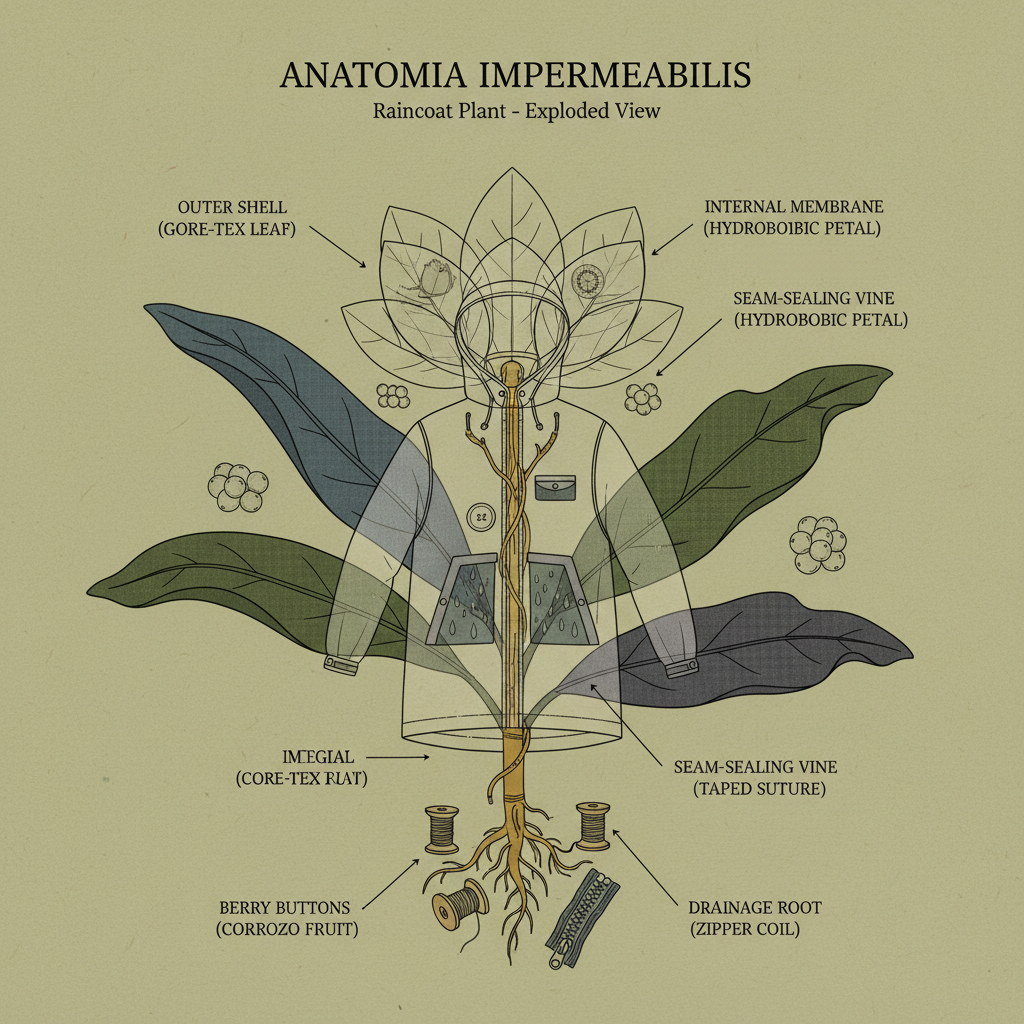
At the core of a high-quality cape rain jacket is the selection of the base textile. Most industry-leading versions utilize high-density polyester or nylon fabrics treated with a Durable Water Repellent (DWR) finish. This chemical coating causes water to bead up and roll off the surface, preventing the fabric from becoming saturated and heavy during prolonged exposure to rain.
For those requiring a higher level of protection, the integration of an ePTFE (expanded Polytetrafluoroethylene) membrane allows for a paradoxical combination of absolute waterproofing and high breathability. This microscopic structure prevents liquid water droplets from entering while allowing water vapor—in the form of sweat—to escape, which is critical for maintaining thermal comfort during physical activity.
Furthermore, the construction of the seams plays a pivotal role in the garment's integrity. Fully taped seams are essential for any professional-grade cape rain jacket, as they seal the needle holes created during the sewing process, ensuring that no moisture penetrates the interior through the stitch lines.
Ergonomic Benefits of the Cape Silhouette
The primary ergonomic advantage of the cape rain jacket lies in its inherent airflow. Unlike traditional slim-fit raincoats that can create a "sauna effect" by trapping heat against the skin, the open-sided architecture of a cape allows for natural convection.
When considering the cape rain jacket for urban commuters, the capacity to cover a laptop bag or a backpack without needing a separate rain cover is a significant efficiency gain. This "umbrella-effect" provides a comprehensive shield that extends the protective zone beyond the wearer's body.
Additionally, the lack of restrictive armholes reduces friction and prevents the garment from riding up when the wearer reaches forward or climbs stairs. This makes the cape rain jacket an ideal choice for those who prioritize freedom of movement over a streamlined aesthetic.
Performance Comparison Across Different Environments
Evaluating the effectiveness of a cape rain jacket requires looking at its performance in varying weather intensities. In light drizzle, the breathability of the cape design far exceeds that of a standard jacket, preventing overheating. However, in torrential rain with high wind, the ability to secure the hem becomes the deciding factor in overall dryness.
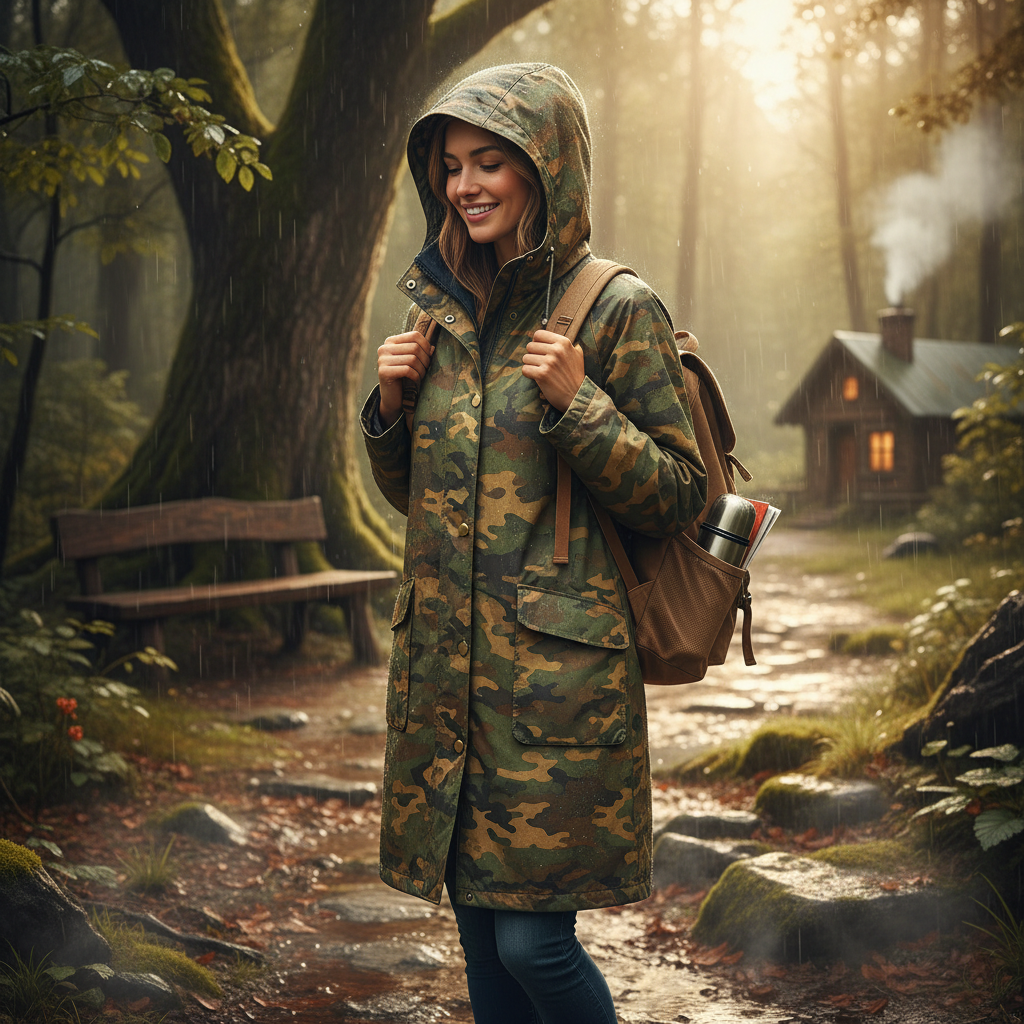
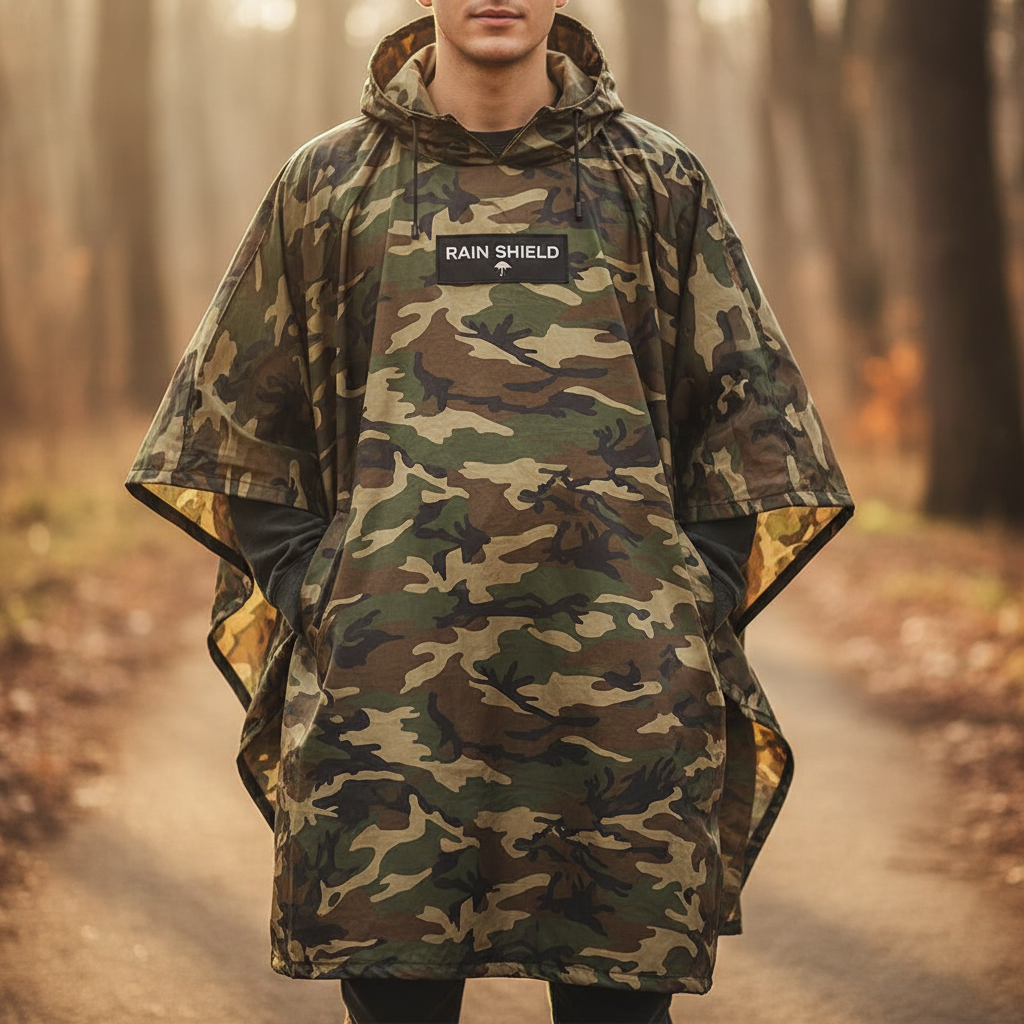
When compared to ponchos, the cape rain jacket typically offers a more structured fit and a higher quality of fabric, bridging the gap between a disposable emergency cover and a permanent piece of outdoor equipment. This makes it suitable for everything from casual city walks to light hiking in damp forests.
Cape Rain Jacket Environmental Performance Index
Global Application and Industrial Use Cases
Across the globe, the cape rain jacket is employed in diverse sectors. In Southeast Asia and Brazil, where sudden tropical downpours are common, lightweight cape versions are essential for motorcycle taxi drivers who need to protect both themselves and their passengers' belongings quickly.
In the industrial sector, specialized cape rain jackets are used by field engineers and site inspectors. Because these professionals often wear bulky safety gear, tool belts, and harnesses, a traditional jacket is often too tight. The cape design allows them to maintain their safety protocols while remaining shielded from the elements.
Sustainability and Eco-Friendly Textile Innovations
The textile industry is currently undergoing a paradigm shift toward circularity, and the production of the cape rain jacket is no exception. Many manufacturers are replacing traditional PFC-based (perfluorinated chemicals) water repellents with bio-based alternatives that provide similar performance without the environmental persistence and toxicity.
Another major innovation is the use of rPET (recycled polyethylene terephthalate), where plastic bottles are collected from oceans and landfills and spun into high-tenacity yarns. A cape rain jacket made from rPET not only reduces the reliance on virgin petroleum but also significantly lowers the carbon footprint of the manufacturing process.
Furthermore, the trend toward "modular design" means that some cape rain jackets are now being created with replaceable components. By allowing the user to replace a worn-out hood or a torn hem rather than discarding the entire garment, brands are promoting a slower, more sustainable consumption model.
Market Analysis and Selection Framework
Choosing the right cape rain jacket requires a balanced analysis of the intended environment, the frequency of use, and the budget. For the daily urban commuter, a medium-weight polyester cape with a focus on style and portability is usually sufficient. However, for those venturing into wilder terrains, a heavy-duty nylon cape with a high waterproof rating (e.g., 10,000mm) is non-negotiable.
The market has bifurcated into "fast-fashion" disposable options and "investment pieces." While disposable ponchos are cheap, the long-term value of a high-quality cape rain jacket lies in its longevity and reliability. A well-constructed garment can last for years, reducing the amount of plastic waste entering the environment.
Ultimately, the selection framework should prioritize the "Three Ps": Protection, Portability, and Price. By weighing these factors, consumers can identify a product that provides the necessary shield against the rain without sacrificing comfort or financial prudence.
Cape Rain Jacket Selection and Performance Matrix
|
Model Category
|
Waterproof Rating
|
Breathability Score
|
Recommended Use
|
|
Urban Lite Cape
|
5,000 mm
|
High (9/10)
|
City Commuting
|
|
Adventure Pro Cape
|
15,000 mm
|
Medium (7/10)
|
Hiking & Camping
|
|
Industrial Shield
|
20,000 mm
|
Low (4/10)
|
Construction Sites
|
|
Travel Compact
|
3,000 mm
|
Very High (10/10)
|
Light Tourism
|
|
Eco-Recycle Cape
|
8,000 mm
|
Medium (8/10)
|
Eco-conscious Daily
|
|
All-Weather Elite
|
12,000 mm
|
High (8/10)
|
Versatile Outdoor
|
FAQS
The primary difference lies in the silhouette and airflow. A cape rain jacket features a wider, draped cut that allows for significantly better ventilation and the ability to cover bags or backpacks. Traditional raincoats are more fitted, providing a streamlined look but often trapping heat and requiring separate covers for luggage.
Yes, provided it has the correct features. To prevent the cape from billowing in the wind, look for models with adjustable drawstrings at the waist or hem and a secure, adjustable hood. High-quality cape rain jackets are designed to be cinched, combining the coverage of a cape with the stability of a jacket.
To maintain the DWR (Durable Water Repellent) coating, it is recommended to wash the garment with a specialized technical wash rather than standard detergents. If water stops beading on the surface, you can apply a spray-on waterproof treatment or tumble dry the jacket on low heat (if the fabric allows) to reactivate the coating.
In many cases, yes. A cape rain jacket provides hands-free protection, which is a massive advantage for those carrying bags, phones, or coffee. While it doesn't provide the absolute "roof" an umbrella does, its ability to cover the torso and upper legs makes it a more practical choice for active urban movement.
It depends on the materials. Many modern cape rain jackets are now made from rPET (recycled plastics) and use PFC-free water repellents to reduce environmental impact. We recommend checking for certifications like GRS (Global Recycled Standard) to ensure the product meets sustainability benchmarks.
Because the cape rain jacket is naturally oversized, sizing is more flexible than with a standard jacket. Focus on the shoulder width and the length of the cape. Ensure it is long enough to cover your primary bag or hips, but not so long that it interferes with your stride while walking.
Conclusion
The cape rain jacket represents a perfect harmony between heritage design and modern material science. By solving the critical issues of breathability, equipment coverage, and ease of deployment, it has proven itself as a superior alternative to traditional rainwear for a wide array of global users, from urban professionals to industrial workers.
As we move toward a future of sustainable fashion and extreme weather variability, investing in high-quality, recycled, and technically sound outerwear is no longer just about style—it is about resilience. We encourage you to prioritize garments that offer both functional excellence and environmental responsibility to ensure you stay dry and comfortable regardless of the forecast. Visit our website: www.mayraincoat.com
 rainwears@163.com may@may-rain.com
 Mon to Friday: 8.00 am - 7.00 pm