rainwears@163.com may@may-rain.com
 Mon to Friday: 8.00 am - 7.00 pm
 rainwears@163.com may@may-rain.com Mon to Friday: 8.00 am - 7.00 pm


The realm of portable protection from the elements is constantly evolving, and at the forefront of this innovation stands the bag rain coat. These aren't just simple coverings; they represent a versatile solution for safeguarding belongings during unpredictable weather, from a sudden downpour during a commute to more extreme conditions encountered during outdoor adventures. Understanding their design, materials, and applications is crucial for anyone seeking reliable and convenient protection for their valuables.
Globally, the demand for effective weather protection solutions is driven by increased urbanization, growing outdoor recreational activities, and the increasing frequency of extreme weather events linked to climate change. The UN reports a steady rise in climate-related disasters, highlighting the need for preparedness and protective measures. The market for waterproof bags, and specifically the bag rain coat segment, is experiencing significant growth, projected to reach substantial valuations in the coming years as people prioritize safeguarding their possessions.
A bag rain coat addresses a critical need: preventing water damage to sensitive items such as electronics, documents, and personal belongings. It transcends simply avoiding inconvenience; it can protect vital data, essential travel documents, or even medical equipment. This makes it a crucial accessory for travelers, commuters, outdoor enthusiasts, and anyone living in regions prone to rainfall or humidity.
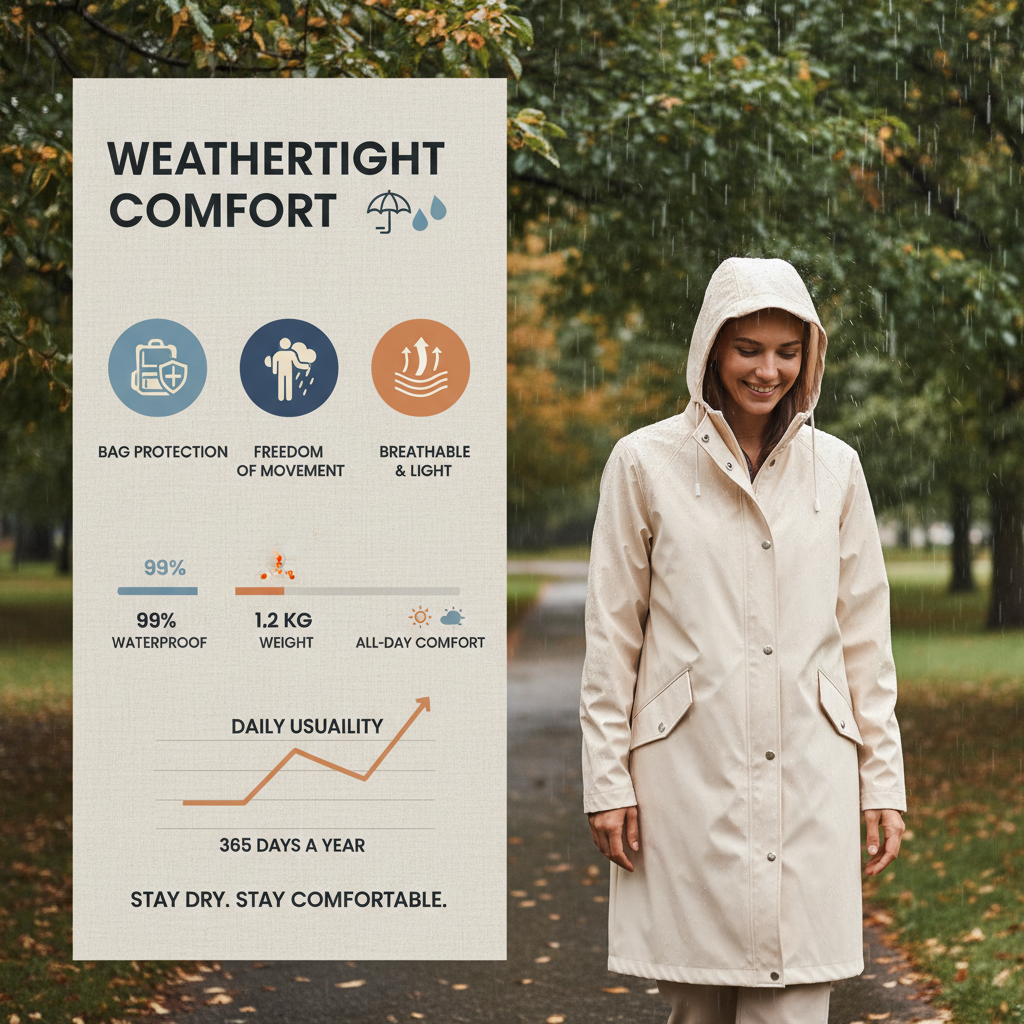
At its heart, the bag rain coat functions as a protective barrier against moisture. It’s designed to encase a bag, backpack, or other carrying solution, preventing rain, splashes, and humidity from reaching the contents within. This protection isn’t just about keeping things dry; it's about preserving the functionality and lifespan of valuable items.
The efficacy of a bag rain coat relies on a combination of material selection, construction techniques, and user-friendly features. Modern designs often incorporate waterproof fabrics, sealed seams, and secure closure mechanisms to ensure comprehensive protection, even in challenging weather conditions.
Durable bag rain coats are typically made from materials like ripstop nylon, TPU (thermoplastic polyurethane), or reinforced polyester. Ripstop nylon resists tearing, TPU offers excellent waterproofness and flexibility, and reinforced polyester provides a balance of strength and affordability. Look for covers with a high denier (D) rating, indicating fabric thickness and durability.
Proper fit is crucial. Measure your backpack's dimensions (length, width, and height) and compare them to the bag rain coat's specifications. Many covers come in various sizes (S, M, L, XL). Look for covers with adjustable straps or elastic closures to customize the fit. A snug fit prevents water from entering and ensures the cover stays in place during movement.
The level of water protection varies. "Water-resistant" covers repel water to some extent but may not withstand prolonged exposure or heavy rain. "Waterproof" covers, typically made with a waterproof membrane and sealed seams, offer complete protection against water penetration. Check the hydrostatic head rating—a higher rating indicates greater waterproofness.
To prolong the life of your bag rain coat, rinse it with clean water after each use to remove dirt and debris. Avoid using harsh detergents or abrasive cleaners. Air dry the cover completely before storing it. Store it in a cool, dry place away from direct sunlight. Regular cleaning and proper storage prevent material degradation and maintain waterproofness.
Yes, a bag rain coat is an excellent way to protect luggage during air travel, especially during layovers or when checked baggage is exposed to the elements. It can safeguard your belongings from rain, spills, and dust. Ensure the cover is securely fastened and complies with airline baggage regulations.
The hydrostatic head rating measures a fabric’s resistance to water penetration. It represents the amount of water pressure (in millimeters) that the fabric can withstand before water begins to seep through. A higher rating signifies greater waterproofness. For reliable protection, look for a bag rain coat with a hydrostatic head rating of at least 1000mm, and ideally 3000mm or higher for heavy rain.
The bag rain coat has evolved from a simple accessory to an essential component of modern preparedness and protection. Its ability to safeguard belongings from the elements, combined with its versatility and durability, makes it invaluable for travelers, outdoor enthusiasts, professionals, and humanitarian organizations alike. Understanding its core functionalities, materials, and applications is paramount for anyone seeking reliable and convenient protection.
Looking ahead, continued innovation in materials science and smart technology will further enhance the capabilities of bag rain coat, offering even greater protection, sustainability, and convenience. By embracing these advancements, we can ensure that these invaluable tools continue to meet the evolving needs of a world increasingly vulnerable to unpredictable weather patterns. Visit our website to explore our range of bag rain coat solutions: www.mayraincoat.com.