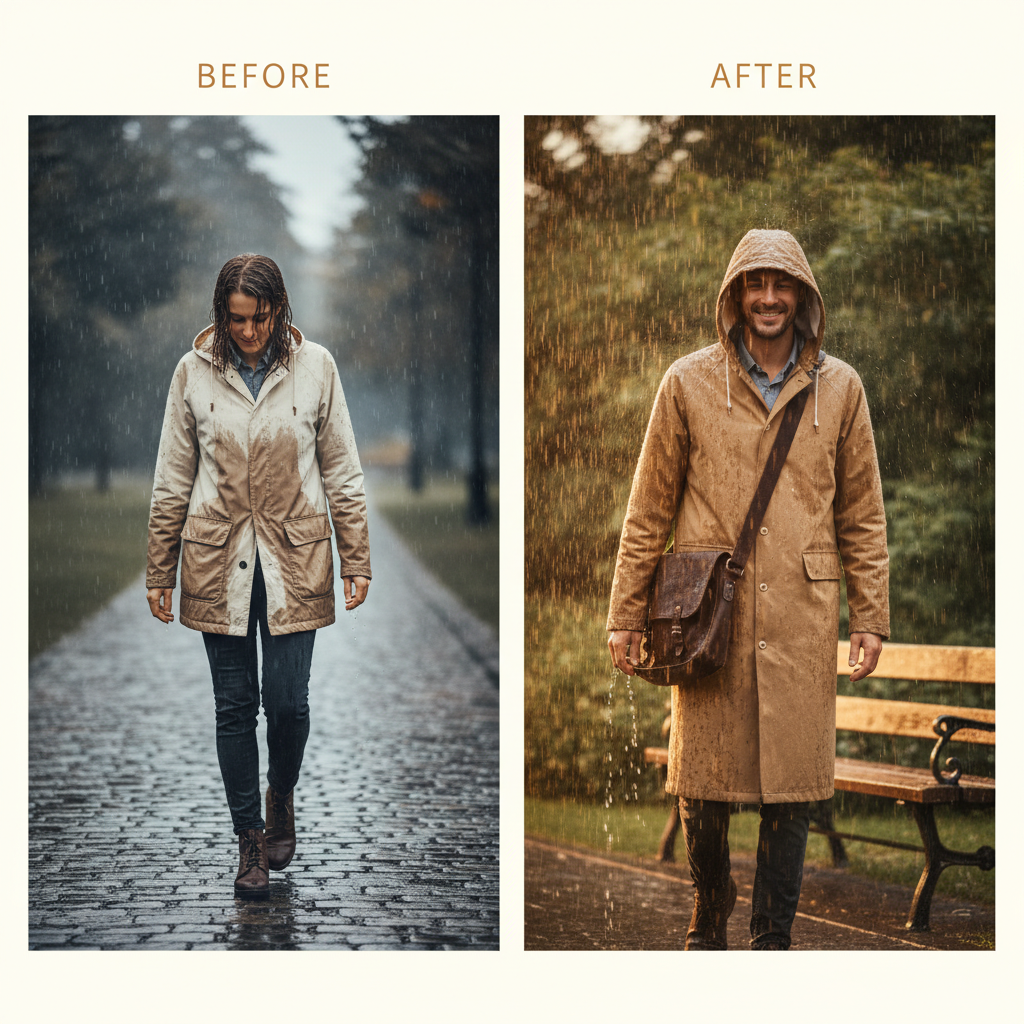
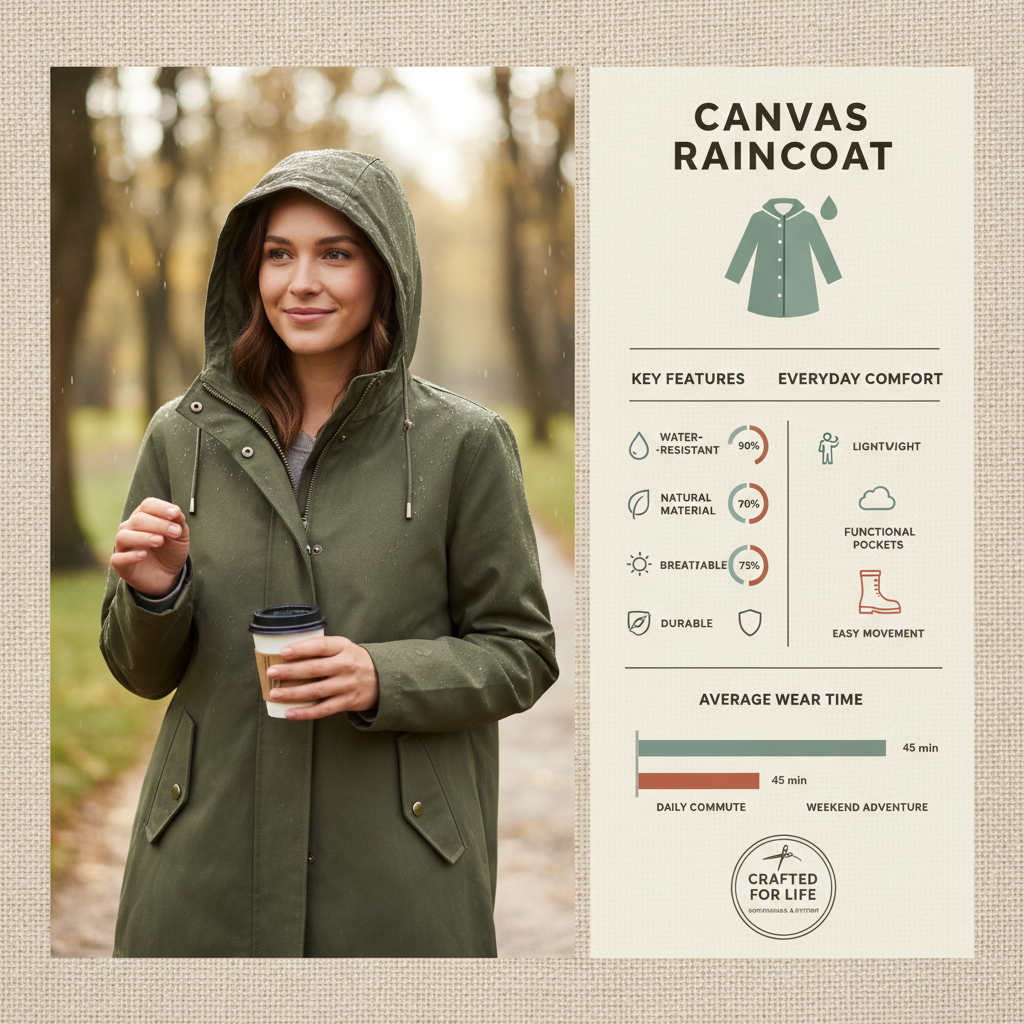
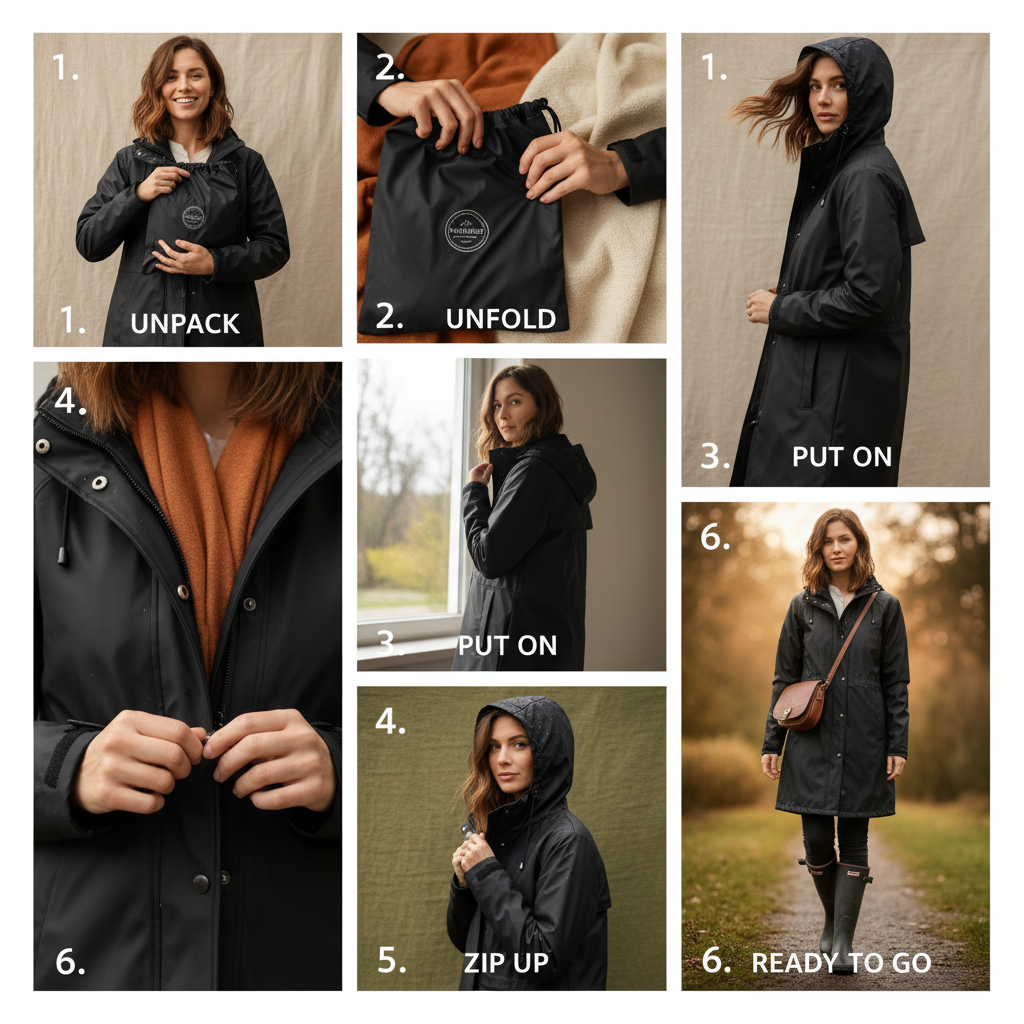
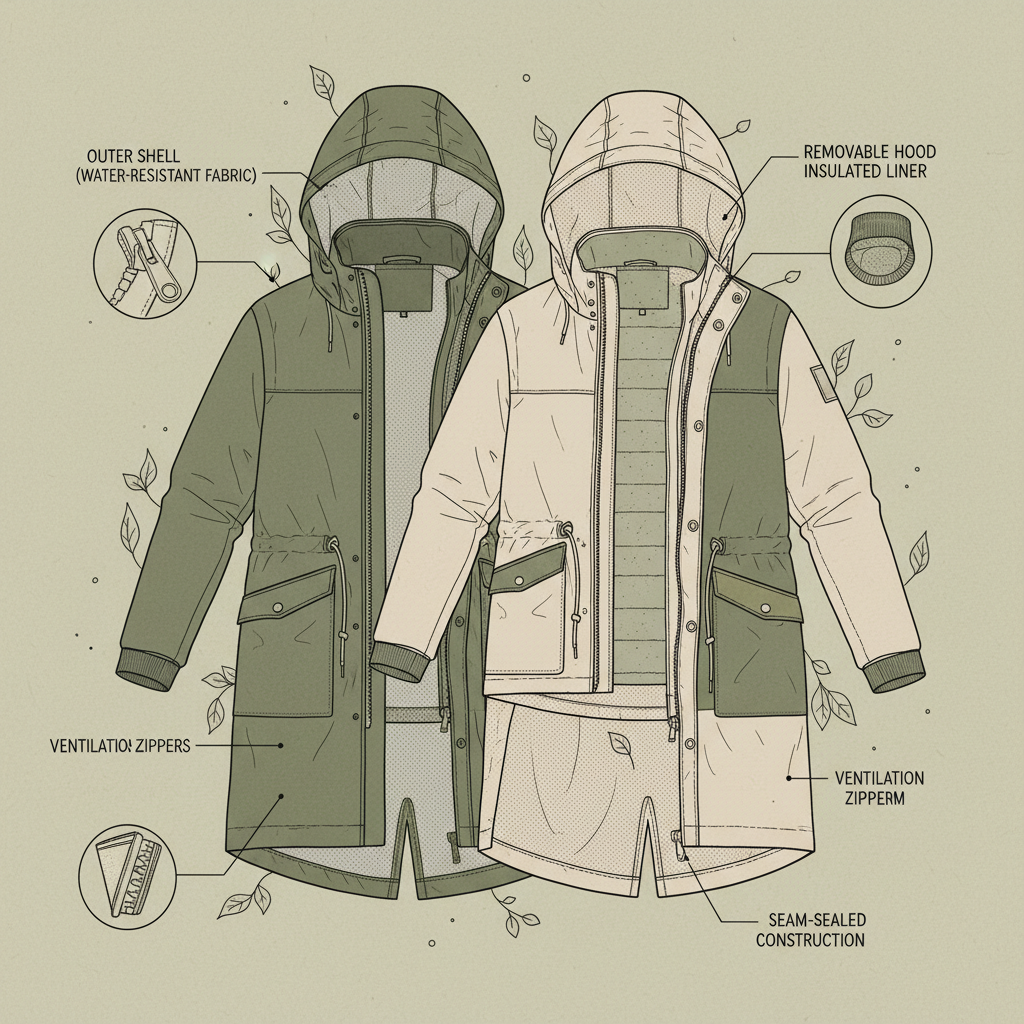
The modern apparel industry is witnessing a resurgence of heritage materials integrated with cutting-edge waterproofing technologies, and the canvas raincoat stands at the intersection of this evolution. Unlike synthetic alternatives, these garments offer a unique blend of rugged durability and timeless aesthetic, making them indispensable for professionals and outdoor enthusiasts who refuse to compromise on style or strength.
Understanding the nuances of canvas construction—from wax-treated finishes to heavy-duty weave densities—is crucial for brands and consumers looking to invest in sustainable, long-term outerwear. As global weather patterns become more unpredictable, the demand for gear that can withstand extreme abrasion while remaining breathable has shifted the spotlight back to high-performance canvas.
By exploring the technical specifications and practical applications of the canvas raincoat, we can uncover how traditional textile craftsmanship is being optimized for the 21st century to provide superior protection against the elements.
Material Composition and Structural Integrity
The foundation of a premium canvas raincoat lies in its weave. Unlike lightweight nylon, canvas is a plain-woven fabric characterized by its high thread count and tight interlacing, which creates a natural barrier against wind and particulate matter. The use of heavy-duty cotton or cotton-polyester blends ensures that the garment can withstand mechanical stress and tearing in high-friction environments.
Furthermore, the structural integrity is enhanced through reinforced stitching at the seams and high-stress points like shoulders and cuffs. This commitment to "over-engineering" ensures that the raincoat doesn't just shield the wearer from rain, but also serves as a protective layer against abrasions, making it a preferred choice for those working in heavy industry or rugged terrains.
Waterproofing Technologies in Canvas Gear
Achieving true water resistance in a canvas raincoat involves more than just a surface coating. Traditional methods utilize paraffin wax or beeswax, which penetrate the fibers to create a hydrophobic layer. This "waxed canvas" approach allows the fabric to develop a unique patina over time while remaining effectively waterproof in moderate to heavy rainfall.
In contemporary manufacturing, we see the integration of DWR (Durable Water Repellent) finishes and internal membrane linings. These innovations allow the garment to maintain the classic look of canvas while offering the breathability of modern technical wear. The result is a balance where moisture is kept out, but internal vapor can escape, preventing the "sauna effect" common in cheap PVC rainwear.
Moreover, the synergy between the heavy fabric and the waterproof treatment ensures that the coating doesn't peel or crack as easily as it would on lighter materials. This longevity is a key driver for the adoption of canvas in professional sectors where equipment replacement costs must be minimized.
Ergonomic Design for Industrial Use
Designing a canvas raincoat for professional use requires a deep understanding of human kinematics. The inclusion of articulated elbows and adjustable waist cinches ensures that the wearer maintains a full range of motion despite the thickness of the material.
One of the most critical elements is the integration of oversized utility pockets and reinforced storm flaps. A high-quality canvas raincoat often features deep-set pockets with drainage holes, allowing workers to carry tools securely without worrying about water accumulation inside the garment.
Finally, the choice of closures—such as heavy-duty brass snaps or industrial-grade zippers protected by canvas flaps—ensures that the raincoat remains sealed even under extreme wind pressure. This attention to detail transforms a simple piece of clothing into a piece of essential safety equipment.
Performance Benchmarks and Durability Analysis
When analyzing the efficiency of a canvas raincoat, we look at metrics such as hydrostatic head (water pressure resistance) and Martindale abrasion tests. Canvas consistently outperforms lightweight synthetics in abrasion resistance, making it the gold standard for environments where the garment frequently rubs against hard surfaces.
To better visualize the performance trade-offs, we compare different treatment methods. While a fully synthetic shell may offer slightly higher initial waterproofing, the canvas variant provides exponentially more durability and wind-blocking capability over a multi-year lifecycle.
Comparative Performance of Canvas Raincoat Variations
Global Market Applications and Use Cases
The versatility of the canvas raincoat allows it to be adopted across diverse global sectors. In Northern Europe and Canada, these garments are staple wear for maritime workers and fishermen who face salt spray and freezing rain, where the thickness of the canvas provides essential thermal insulation that thin shells lack.
In the urban fashion sector, particularly in Japan and the UK, the "heritage" look of canvas has triggered a trend toward slow fashion. Consumers are increasingly choosing a durable canvas raincoat as a lifelong investment, reducing the cycle of fast-fashion waste while maintaining a professional, rugged aesthetic for city commutes.
Sustainability and Environmental Impact
From an ecological perspective, the canvas raincoat represents a shift toward biodegradable and recyclable materials. By utilizing organic cotton and plant-based waxes, manufacturers can significantly reduce the microplastic shedding associated with polyester and nylon rain-gear, which has become a critical issue for ocean health.
Moreover, the longevity of canvas contributes to a circular economy. While a typical plastic poncho might be discarded after a single season, a well-maintained canvas garment can last decades. This drastic reduction in replacement frequency leads to a lower overall carbon footprint per year of use.
Industry leaders are now experimenting with recycled canvas scraps to create linings and accessories, ensuring that the production process for every canvas raincoat is as waste-free as possible, aligning with ISO 14001 environmental management standards.
Maintenance and Lifecycle Management
Proper care is essential to maintain the performance of a canvas raincoat. Unlike synthetic gear that can be thrown into a washing machine, waxed canvas requires specialized cleaning. Generally, a damp cloth and cold water are sufficient, as harsh detergents can strip the waterproof wax coating from the fibers.
Rewaxing is the core of the canvas lifecycle. Every few years, or after heavy use, the owner can apply a new layer of wax to "refresh" the water-repellency. This ritual not only restores the garment's function but also strengthens the bond between the user and their gear, emphasizing the value of maintenance over replacement.
By implementing a structured maintenance schedule, organizations can extend the service life of their fleet of raincoats by up to 300%. This approach not only saves costs but ensures that personnel are always protected by gear that has been vetted for structural integrity.
Comparative Analysis of Canvas Raincoat Maintenance and Life Cycle
| Material Type |
Maintenance Requirement |
Expected Lifespan |
Sustainability Score |
| Traditional Waxed Canvas |
Periodic Rewaxing |
15-20 Years |
9/10 |
| DWR Coated Canvas |
Spray-on Treatment |
5-8 Years |
6/10 |
| Laminated Canvas |
Mild Soap Wash |
7-10 Years |
5/10 |
| Poly-Canvas Blend |
Machine Washable |
10-12 Years |
7/10 |
| Heavy Duty Raw Canvas |
Oil Impregnation |
20+ Years |
10/10 |
| Lightweight Canvas |
Standard Cleaning |
3-5 Years |
8/10 |
FAQS
Yes, generally. While plastic (PVC) is a complete vapor barrier that traps sweat, canvas is a woven natural fiber. Even when treated with wax or DWR, it allows for better air exchange than non-porous plastics, reducing overheating during physical activity.
The simplest test is the "bead test." Pour a small amount of water on the shoulder. If the water beads up and rolls off, the coating is intact. If the water begins to soak into the fabric and darken the material, it is time to apply a fresh layer of wax.
It is strongly discouraged. Machine washing and detergents will strip the wax coating, destroying the waterproof properties and potentially shrinking the fabric. We recommend spot cleaning with cold water and a soft brush.
Canvas is an excellent windbreaker, which significantly reduces heat loss. While it isn't "warm" like down, its density makes it a perfect outer shell for layering. Pairing a canvas raincoat with a fleece or wool liner provides professional-grade winter protection.
Waxed canvas has a distinct, earthy scent when new. Over time, this fades. Because it is a natural fiber, it can absorb odors if not aired out, but this is easily managed by hanging the garment in a well-ventilated area after use.
Gore-Tex is superior for extreme waterproofing and breathability in alpine conditions, but canvas is far more durable against abrasion and punctures. In industrial or rugged outdoor settings, a canvas raincoat will outlast a technical shell by several years.
Conclusion
The canvas raincoat represents a perfect harmony between historical reliability and modern engineering. From its superior abrasion resistance and structural integrity to its evolving sustainability profile, canvas continues to prove itself as a superior alternative to disposable synthetic outerwear. By focusing on quality materials and mindful maintenance, users can secure a garment that provides not only physical protection but also long-term economic and environmental value.
As we move toward a future defined by "slow fashion" and industrial sustainability, investing in high-performance canvas is more than a style choice—it is a commitment to durability and responsibility. Whether for professional industrial use or daily urban exploration, the right canvas gear ensures you are prepared for any storm while leaving a smaller footprint on the planet. Visit our website to find your perfect fit: www.mayraincoat.com
 rainwears@163.com may@may-rain.com
 Mon to Friday: 8.00 am - 7.00 pm