0%

Table of Contents

The demand for reliable, lightweight, and adaptable rain protection is globally significant, particularly within outdoor workforces, emergency services, and recreational enthusiasts. A camo rain poncho offers a versatile solution, blending functionality with camouflage patterns that cater to diverse needs. Its portability, ease of use, and relatively low cost make it a crucial component of preparedness kits and essential gear for those operating in challenging weather conditions.

The clothing manufacturing industry has responded to this demand with innovations in materials, design, and production techniques. Modern camo rain ponchos aren't merely simple plastic coverings; they often incorporate waterproof breathable fabrics, reinforced seams, and thoughtful features like hoods and adjustable closures. The global market for rainwear, including ponchos, is experiencing steady growth, driven by increasing awareness of weather-related risks and the expanding outdoor lifestyle.

Understanding the nuances of camo rain poncho construction, materials, and applications is critical for making informed purchasing decisions, especially for professionals who rely on this equipment for safety and performance. From disaster relief operations to everyday commutes, a well-chosen camo rain poncho can make a substantial difference.
Comprehensive Guide to Camo Rain Ponchos for Outdoor Protection and Preparedness

The Essence of Camo Rain Ponchos

Comprehensive Guide to Camo Rain Ponchos for Outdoor Protection and Preparedness

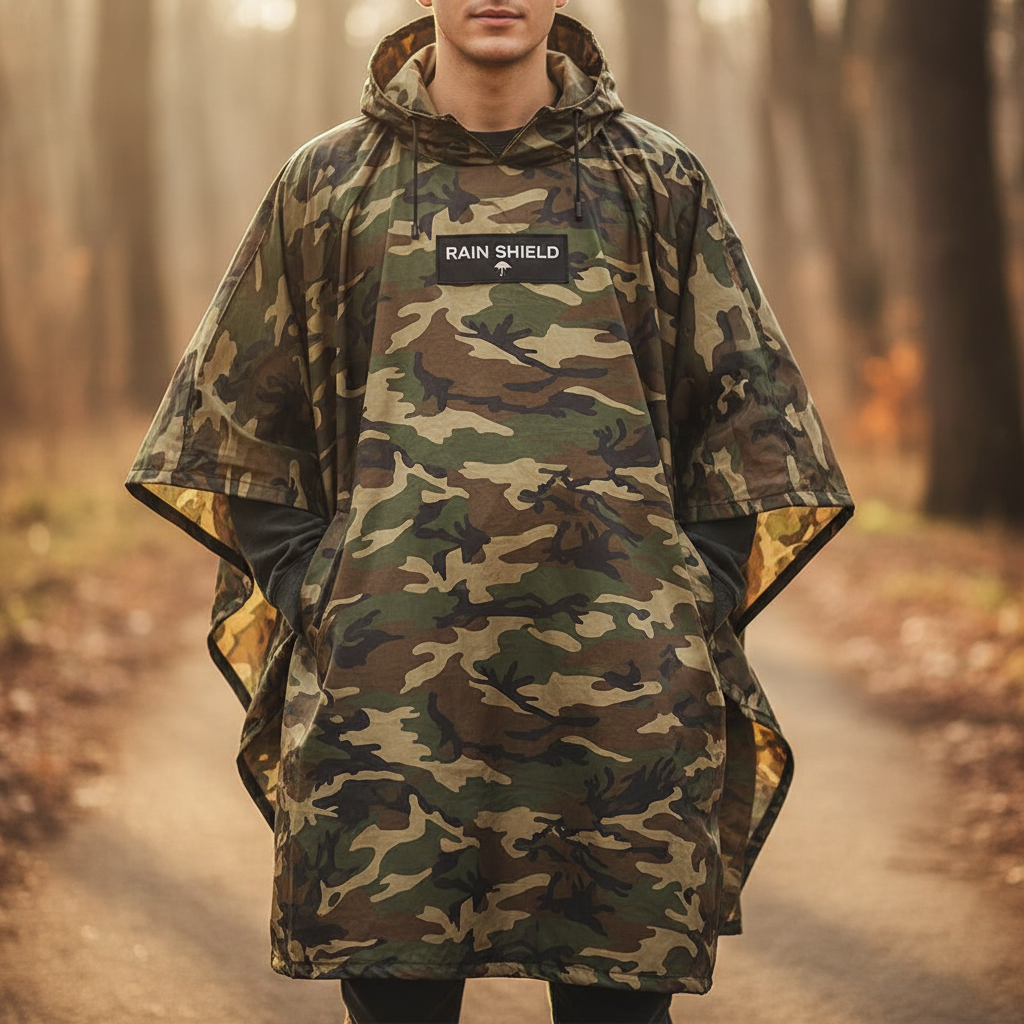
The appeal of a camo rain poncho stems from its inherent versatility and practical advantages. The camouflage pattern provides a degree of concealment, useful for hunting, wildlife observation, or tactical applications. Beyond aesthetics, the poncho's simple design ensures rapid deployment and easy storage, making it an ideal emergency preparedness item.

The historical roots of poncho-style rain protection can be traced back to indigenous cultures in South America, where they were traditionally crafted from woven textiles. Modern iterations have evolved significantly, utilizing synthetic materials to achieve superior waterproofing, durability, and lightweight construction. This evolution reflects the ongoing demand for more effective and convenient rainwear solutions.

Global Relevance and Market Dynamics

The global rainwear market is estimated to be worth billions of dollars, with a substantial portion dedicated to poncho-style rain protection. Factors driving this demand include increasing frequency of extreme weather events, growing participation in outdoor activities, and the expanding need for protective gear in various industries. The Asia-Pacific region represents a significant and rapidly growing market due to its large population, increasing disposable incomes, and susceptibility to monsoon seasons.

According to reports from the World Meteorological Organization, the intensity and frequency of rainfall events are increasing in many parts of the world due to climate change. This trend underscores the critical importance of having access to reliable rain protection. The market is also influenced by consumer preferences for lightweight, breathable, and packable rainwear options, pushing manufacturers to innovate with new materials and designs.

The need for emergency preparedness, as highlighted by organizations like the United Nations Office for Disaster Risk Reduction, further boosts demand for camo rain ponchoes, particularly in regions prone to natural disasters. These ponchos are often included in disaster relief kits and distributed to affected populations.

Defining the Camo Rain Poncho

A camo rain poncho is, at its core, a waterproof or water-resistant garment designed to protect the wearer from rainfall. The distinguishing feature is the camouflage pattern, typically designed to blend with natural environments. This pattern serves both functional and aesthetic purposes, offering concealment in certain situations while appealing to those who value outdoor aesthetics.

Unlike traditional raincoats, ponchos often lack sleeves and are designed to be worn over existing clothing. This makes them quick and easy to put on and take off, ideal for situations where rapid protection is needed. Materials used in modern camo rain ponchos range from polyethylene (PE) and polyvinyl chloride (PVC) to more advanced fabrics like polyurethane (PU) and ripstop nylon.

The connection to modern industry stems from the need for durable, affordable, and readily deployable rain protection for workers in outdoor professions, such as construction, agriculture, and forestry. Humanitarian organizations also rely heavily on camo rain ponchos for disaster relief, providing essential protection to displaced populations.

Core Components of Quality Ponchos

When evaluating a camo rain poncho, several key components determine its overall quality and performance. These include the material used, the construction of seams, the design of the hood, and the presence of additional features.

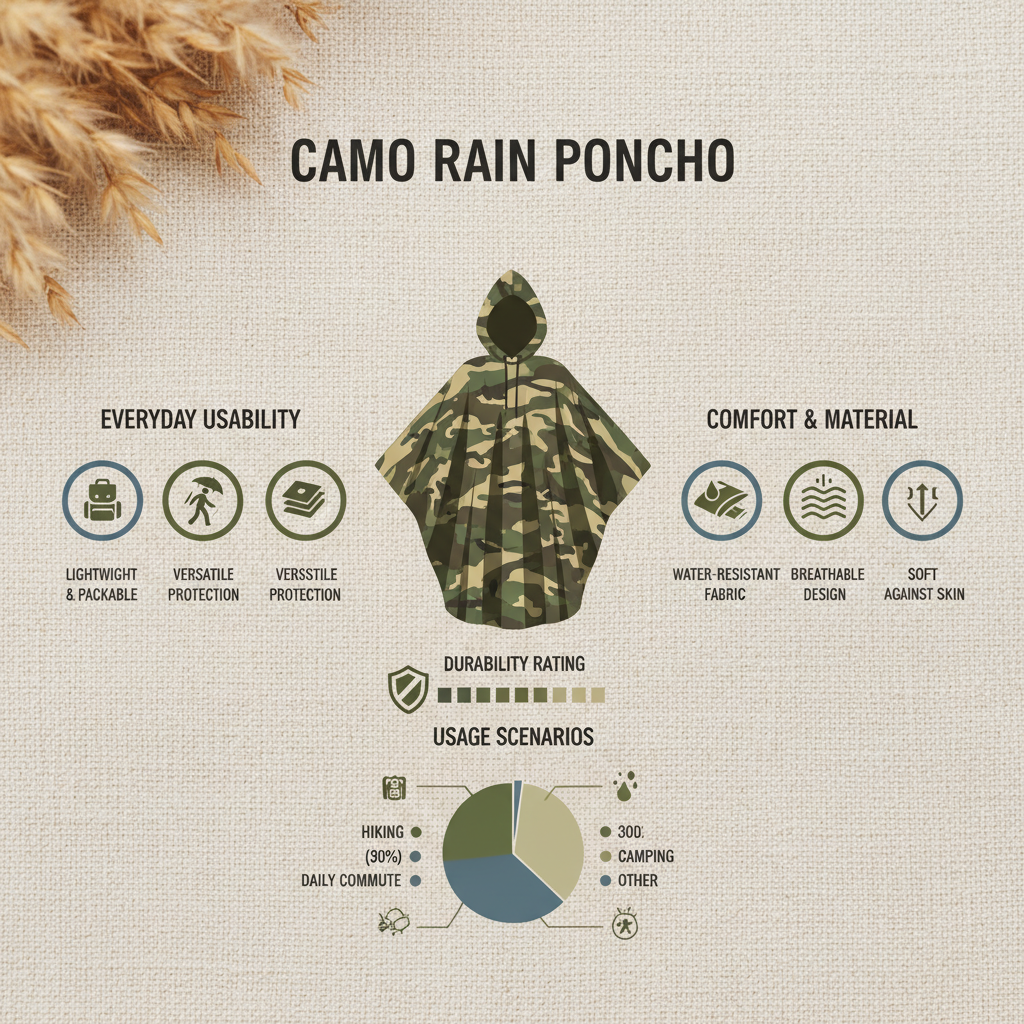
Durability is paramount. Reinforced seams and tear-resistant materials significantly extend the poncho’s lifespan, particularly in demanding environments. Waterproofing capabilities are also crucial, with ratings (measured in millimeters of water pressure) indicating the level of protection offered.

Camo Rain Poncho Performance Metrics


Real-World Applications and Industries

The applications of a camo rain poncho are remarkably diverse. Within the military and law enforcement sectors, they provide essential rain protection while maintaining a degree of concealment. Hunters and wildlife photographers utilize them to remain dry and blend into their surroundings.

In post-disaster relief operations, camo rain ponchoes are frequently distributed to victims of floods, hurricanes, and other natural disasters, providing immediate shelter from the elements. Agricultural workers rely on them to continue working in inclement weather, protecting crops and livelihoods.

Long-Term Benefits and Value Proposition

The long-term benefits of investing in a quality camo rain poncho extend beyond simple weather protection. A durable poncho reduces the need for frequent replacements, offering cost savings over time. Its lightweight and packable nature promotes preparedness, allowing individuals to be ready for unexpected weather changes.

Furthermore, the psychological benefit of feeling protected and prepared can enhance confidence and well-being. For organizations involved in disaster relief, providing ponchos demonstrates a commitment to the dignity and safety of those affected by crises.

Future Trends and Innovations

The future of camo rain poncho technology is likely to be driven by advancements in materials science and sustainable manufacturing practices. We can expect to see increased use of bio-based and recycled materials, reducing the environmental impact of poncho production.

Integration of smart technologies, such as embedded sensors for temperature regulation or GPS tracking, is also a possibility. Furthermore, advancements in camouflage patterns, utilizing adaptive materials that change color based on the surrounding environment, could enhance concealment capabilities.

Greater emphasis on modular designs, allowing users to customize their poncho with additional features like mosquito netting or storage pouches, will also cater to the evolving needs of diverse user groups.

FAQS

What makes a camo rain poncho different from a standard clear poncho?

While both provide rain protection, a camo rain poncho offers the added benefit of camouflage, making it suitable for activities like hunting, wildlife observation, or situations where concealment is desired. The pattern can also provide a more aesthetically pleasing look for outdoor enthusiasts. Standard clear ponchos prioritize basic weather protection at a lower cost.

How do I properly care for my camo rain poncho to ensure its longevity?

To maximize the lifespan of your poncho, rinse it with clean water after each use to remove dirt and debris. Avoid using harsh detergents or bleach. Allow it to air dry completely before storing. If using a washing machine, select a gentle cycle and avoid high heat. Proper storage in a dry, well-ventilated area is also crucial.

What material is best for a camo rain poncho in terms of durability and waterproofing?

Ripstop nylon with a polyurethane (PU) coating generally offers the best combination of durability and waterproofing. Ripstop nylon is resistant to tearing and abrasion, while the PU coating provides excellent water resistance. PVC is more affordable but less breathable and durable. Polyethylene (PE) is the least expensive but also the least durable.

Are camo rain ponchos breathable, or will I sweat inside?

Breathability varies depending on the material. Lower-cost ponchos made from PVC or PE are generally not very breathable, leading to condensation buildup inside. Higher-end ponchos made from ripstop nylon with a PU coating offer better breathability, often incorporating features like ventilation holes to enhance airflow.

What size camo rain poncho should I choose?

Camo rain ponchos are typically designed to be oversized to accommodate wearing over existing clothing. Consider your height and build when selecting a size. Many ponchos come in one-size-fits-most options, but larger individuals may prefer an extended size for greater coverage. Check the product specifications for sizing recommendations.

Can a camo rain poncho be used for other purposes besides rain protection?

Absolutely! A camo rain poncho can serve as a ground cover, a makeshift shelter, or even an emergency signal device (depending on the camouflage pattern). Its versatility makes it a valuable addition to any outdoor kit or emergency preparedness supplies.

Conclusion

In conclusion, the camo rain poncho stands as a testament to practical design and adaptability. Its combination of weatherproof protection, camouflage functionality, and portability makes it an indispensable item for a wide range of applications – from outdoor recreation and professional work to emergency preparedness and humanitarian aid. The evolution of materials and manufacturing techniques continues to enhance its performance and sustainability.

Looking ahead, the demand for high-quality, eco-friendly, and technologically advanced camo rain ponchos will only increase. By prioritizing durability, innovation, and responsible manufacturing, we can ensure that this essential piece of gear continues to provide reliable protection and peace of mind for years to come. Visit our website at www.mayraincoat.com to explore our selection of camo rain ponchos and find the perfect solution for your needs.


Kevin Garcia

Kevin Garcia

Kevin Garcia is a dedicated Sales Executive at Mayrain, focused on developing and nurturing key accounts in the North American market. He has 8 years of experience in the promotional products industry and a strong understanding of client needs. Kevin excels at providing tailored solutions, leveraging Mayrain’s extensive product catalog
Previous Professional Camouflage Raincoat for Waterproofing and Concealment
Next The Essential Camo Rain Coat A Comprehensive Guide to Functionality and Future Trends