The evolution of protective outerwear has led to the widespread adoption of the camouflage raincoat, a specialized garment that merges high-performance waterproofing with strategic visual concealment. In an era where outdoor activities, tactical operations, and wildlife observation have surged, the need for apparel that provides both physical protection and environmental integration has become paramount for professionals and enthusiasts alike.
Globally, the demand for specialized rainwear is driven by the unpredictability of climate change and the increasing necessity for durable gear in challenging terrains. A high-quality camouflage raincoat serves as more than just a barrier against precipitation; it is a tool for versatility, allowing the wearer to remain inconspicuous while maintaining thermal regulation and dryness in humid or wet conditions.
Understanding the technical nuances of these garments—from the denier of the fabric to the specific pattern of the camouflage—is essential for selecting the right equipment. Whether it is for military-grade applications, hunting, or rugged urban exploration, the synergy of textile engineering and camouflage science ensures that the user is equipped to handle the elements without compromising their position or comfort.
The Technical Evolution of Camouflage Rainwear
The journey of the camouflage raincoat began with simple waxed canvases and basic organic dyes designed for early military reconnaissance. Over the decades, the industry shifted toward synthetic polymers and advanced printing technologies, allowing for "disruptive coloration" that breaks up the human silhouette against complex backgrounds. This transition has moved the garment from a niche military item to a staple in the high-end outdoor and accessories market.
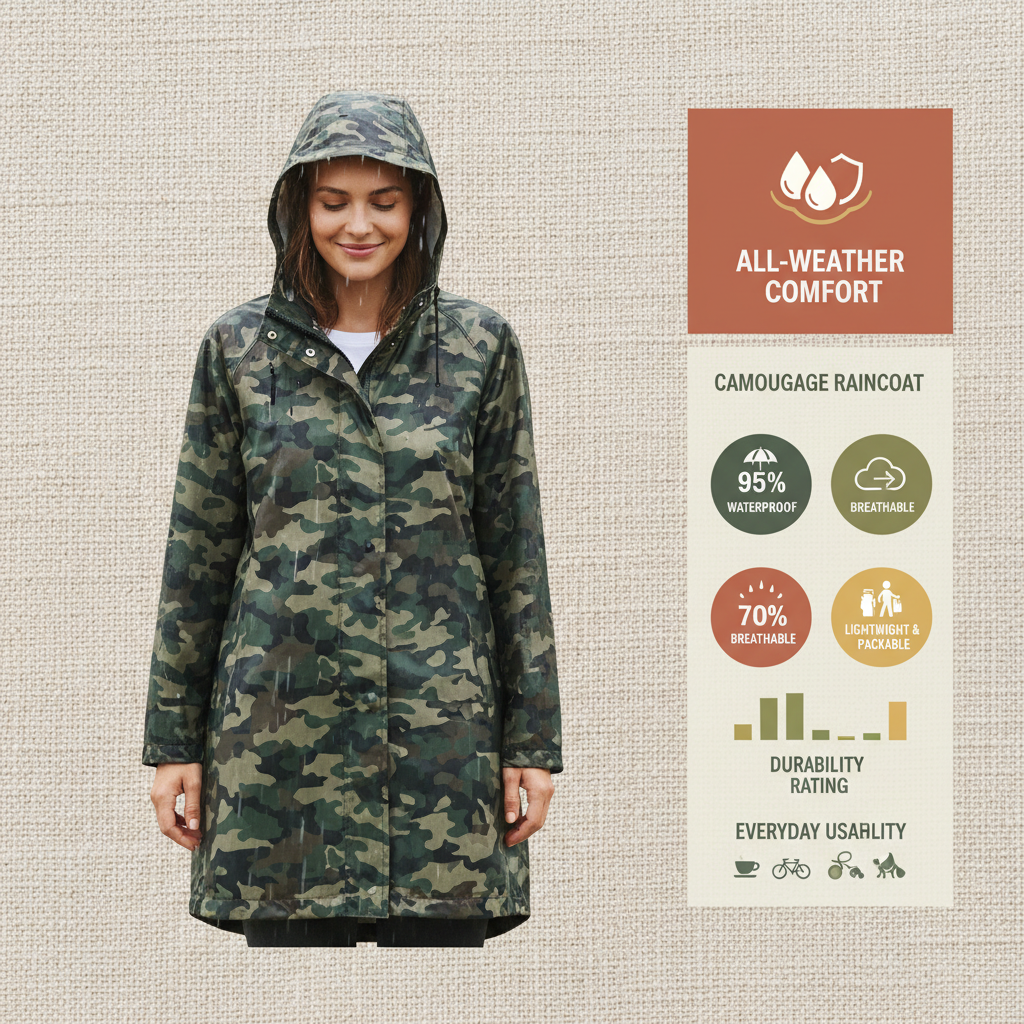
Modern iterations now incorporate membrane technologies that are both hydrophobic and breathable. By utilizing microporous structures, today's camouflage rainwear prevents external moisture from penetrating the fabric while allowing internal water vapor to escape, effectively solving the "sauna effect" common in early waterproof gear. This balance of concealment and physiological comfort marks a significant milestone in textile engineering.
Core Materiality and Waterproofing Standards
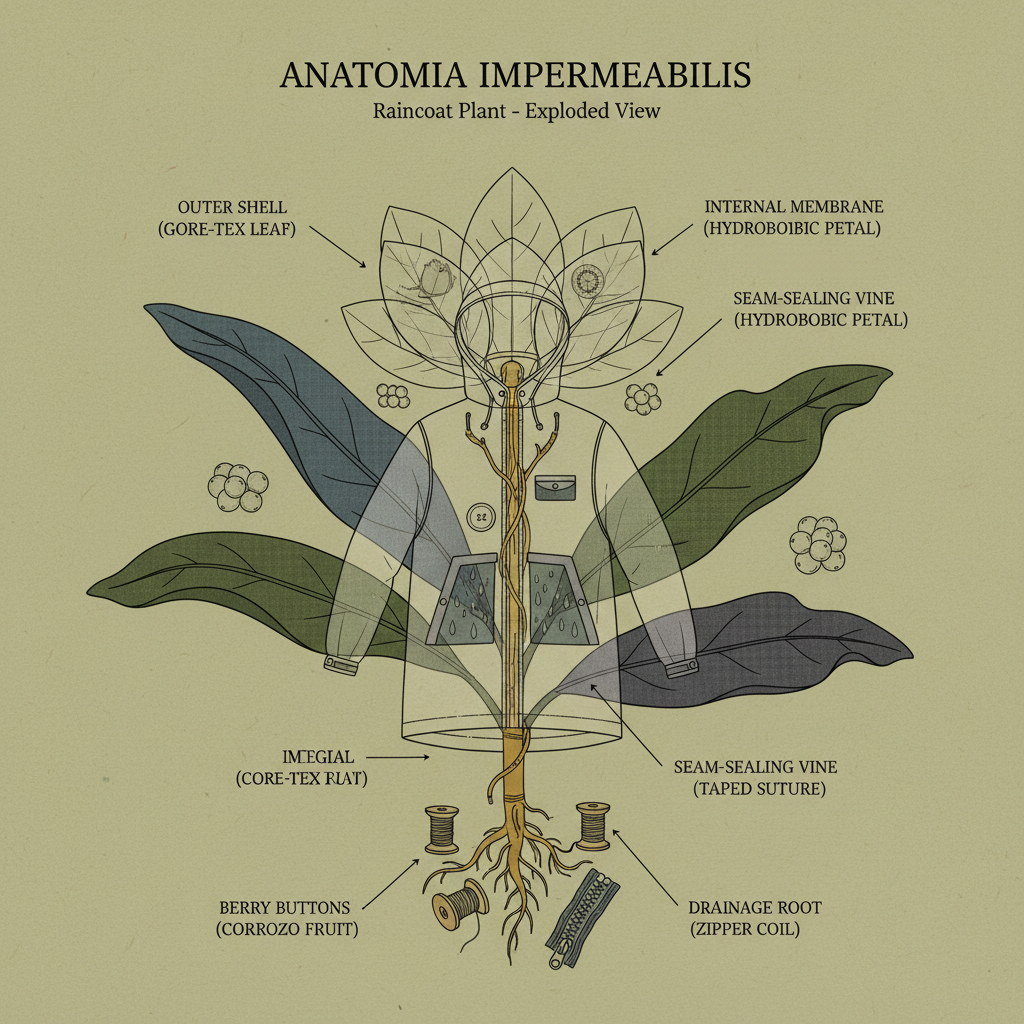
The efficacy of a camouflage raincoat depends heavily on its material composition. Most professional-grade options utilize a high-denier polyester or nylon shell treated with a Durable Water Repellent (DWR) coating. This outermost layer ensures that water beads up and rolls off the surface, preventing the fabric from becoming saturated and heavy during prolonged exposure to heavy rain.
Beneath the surface, the integration of polyurethane (PU) coatings or expanded Polytetrafluoroethylene (ePTFE) membranes provides the primary waterproof barrier. These standards are often measured by hydrostatic head ratings; for instance, a rating of 10,000mm to 20,000mm is typical for high-performance gear, ensuring that the wearer remains dry even under the pressure of leaning against a wet surface or carrying a heavy backpack.
Furthermore, the seams are a critical vulnerability point. To maintain the integrity of the waterproof seal, manufacturers employ heat-sealed seam taping. This process involves applying a waterproof tape over every stitched joint, ensuring that not a single drop of water can leak through the needle holes, which is a hallmark of a truly professional-grade camouflage rain-suit.
Design Ergonomics for Field Performance
When designing a camouflage raincoat, ergonomics are just as vital as the fabric. Articulated joints in the elbows and knees allow for a full range of motion, ensuring that the wearer can climb, crawl, or navigate dense brush without the garment pulling or restricting movement, which is crucial in high-stakes outdoor environments.
Strategic pocket placement is another key factor for the functional camouflage raincoat. Using waterproof zippers and reinforced gussets, these garments provide secure storage for GPS devices, maps, and communication tools, ensuring that essential gear remains dry and accessible even in torrential downpours.
The inclusion of adjustable components—such as Velcro cuffs, drawstring hems, and storm hoods—allows the user to customize the fit. This prevents wind-driven rain from entering the garment and helps in trapping body heat, making the gear versatile across different seasons and climates.
Comparative Analysis of Camouflage Patterns
Not all patterns are created equal; the choice of print on a camouflage raincoat must align with the intended environment. For example, woodland patterns utilize deep greens and browns to blend into forest canopies, whereas arid patterns employ tans and khakis for desert or sandy landscapes. The goal is to minimize visual contrast between the user and the background.
In recent years, digital camouflage (pixelated patterns) has gained popularity due to its ability to fool the human eye across varying distances. Unlike traditional organic shapes, digital patterns use small squares of color to mimic the "noise" found in nature, making the camouflage raincoat effective in both close-quarters and long-range observation.
Performance Effectiveness of Various Camouflage Raincoat Patterns
Global Applications Across Diverse Terrains
The utility of a camouflage raincoat extends far beyond military use. In wildlife photography and biological research, these garments allow professionals to approach animals without triggering a flight response, facilitating the gathering of critical data in natural habitats without disturbing the ecosystem.
In humanitarian and disaster relief operations, particularly in remote tropical zones, rugged camouflage rainwear provides essential protection for field workers navigating unstable terrain and heavy rainfall. The durability of the fabric ensures that personnel can operate in debris-heavy environments without the risk of tearing their protective clothing.
Sustainability in Tactical Textile Manufacturing
As the garment industry moves toward a greener future, the production of the camouflage raincoat is evolving. Traditional PFC-based (perfluorinated chemicals) DWR treatments are being replaced by C0 eco-friendly alternatives that provide similar water repellency without the harmful environmental persistence.
Recycled polyester (rPET), derived from post-consumer plastic bottles, is increasingly used for the shell of these raincoats. By maintaining the same tensile strength and waterproof capabilities as virgin polyester, manufacturers can significantly reduce the carbon footprint of tactical gear production without sacrificing field performance.
Furthermore, closed-loop dyeing processes are being implemented to reduce water waste and chemical runoff during the application of camouflage patterns. This shift ensures that the gear designed to protect the wearer does not come at the expense of the natural environments it is meant to blend into.
Long-term Value and Maintenance Strategies
Investing in a high-quality camouflage raincoat offers long-term value through durability and versatility. Unlike cheap disposable ponchos, a professional-grade rain suit can last for years if properly maintained, reducing the frequency of replacements and minimizing landfill waste.
To maintain the waterproof integrity, users should avoid harsh detergents that can strip the DWR coating. Instead, specialized technical washes should be used, followed by a low-heat tumble dry or a specific spray-on DWR refresher to reactivate the water-beading properties of the fabric.
Proper storage is equally important; hanging the garment in a cool, dry place prevents the PU membrane from degrading over time. Regular inspections for small tears and immediate patching using waterproof seam tape can extend the lifespan of the garment, ensuring it remains a reliable asset in any outdoor kit.
Comparison of Maintenance and Performance Metrics for Camouflage Raincoats
| Material Grade |
Waterproof Rating |
Breathability Score |
Expected Lifespan |
| Entry-Level PU |
5,000mm |
3/10 |
1-2 Years |
| Mid-Range Nylon |
10,000mm |
6/10 |
3-5 Years |
| Professional ePTFE |
20,000mm+ |
9/10 |
5-8 Years |
| Tactical Ripstop |
15,000mm |
7/10 |
4-6 Years |
| Eco-Recycled Poly |
12,000mm |
6/10 |
3-5 Years |
| Heavy-Duty Vinyl |
30,000mm |
1/10 |
7-10 Years |
FAQS
While both provide waterproofing, a camouflage raincoat is specifically engineered for visual concealment. It uses scientifically designed patterns to disrupt the wearer's outline, making them less visible in specific environments like forests or deserts. Additionally, these garments often feature more rugged, tear-resistant fabrics to withstand the brush and rough terrain associated with stealth activities.
Look for a membrane-based construction (like ePTFE or advanced PU) rather than a simple plastic coating. Breathable raincoats allow water vapor (sweat) to escape through microscopic pores that are too small for liquid water droplets to enter. Check the product specifications for a "Breathability Rating" measured in g/m²/24h; a higher number indicates better moisture management.
Yes, but with caution. Use a mild, technical detergent and avoid fabric softeners or bleach, as these can clog the breathable membrane and strip the DWR coating. Use a gentle cycle with cool water. To restore the water-repellent finish, it is often recommended to tumble dry on low heat or use a DWR spray-on treatment after washing.
For general use across varied landscapes, a "MultiCam" or a generalized woodland digital pattern is usually best. These patterns blend a mix of greens, browns, and tans, making them adaptable to various light conditions and terrains. If you primarily operate in urban or rocky areas, a grey or tan-based pattern would be more effective.
Seam taping involves applying a waterproof adhesive tape over the internal seams where the fabric was stitched. Since every needle hole is a potential entry point for water, taping seals these gaps completely. In a professional camouflage raincoat, this process is done using heat and pressure to ensure a permanent, leak-proof bond across the entire garment.
A raincoat is primarily a shell designed for wind and water protection. For extreme winter, it should be used as the outermost layer of a three-layer system: a moisture-wicking base layer, an insulating mid-layer (like fleece or down), and the camouflage raincoat as the weather shield. This prevents hypothermia by trapping heat while keeping the external elements out.
Conclusion
The camouflage raincoat represents a sophisticated intersection of textile science, environmental psychology, and practical utility. By integrating advanced waterproof membranes, ergonomic designs, and strategic visual patterns, these garments provide unparalleled protection and concealment for those operating in the world's most challenging environments. From the shift toward sustainable, PFC-free materials to the refinement of digital camouflage, the industry continues to push the boundaries of what protective outerwear can achieve.
As we look toward the future, the integration of smart textiles and adaptive camouflage may further redefine the utility of these garments. For now, investing in a high-quality, well-maintained rain suit ensures safety, comfort, and effectiveness in the field. Whether you are a professional in the tactical sector or an outdoor enthusiast, prioritizing material grade and environmental alignment will yield the best long-term results. Visit our website for more professional gear: www.mayraincoat.com
 rainwears@163.com may@may-rain.com
 Mon to Friday: 8.00 am - 7.00 pm