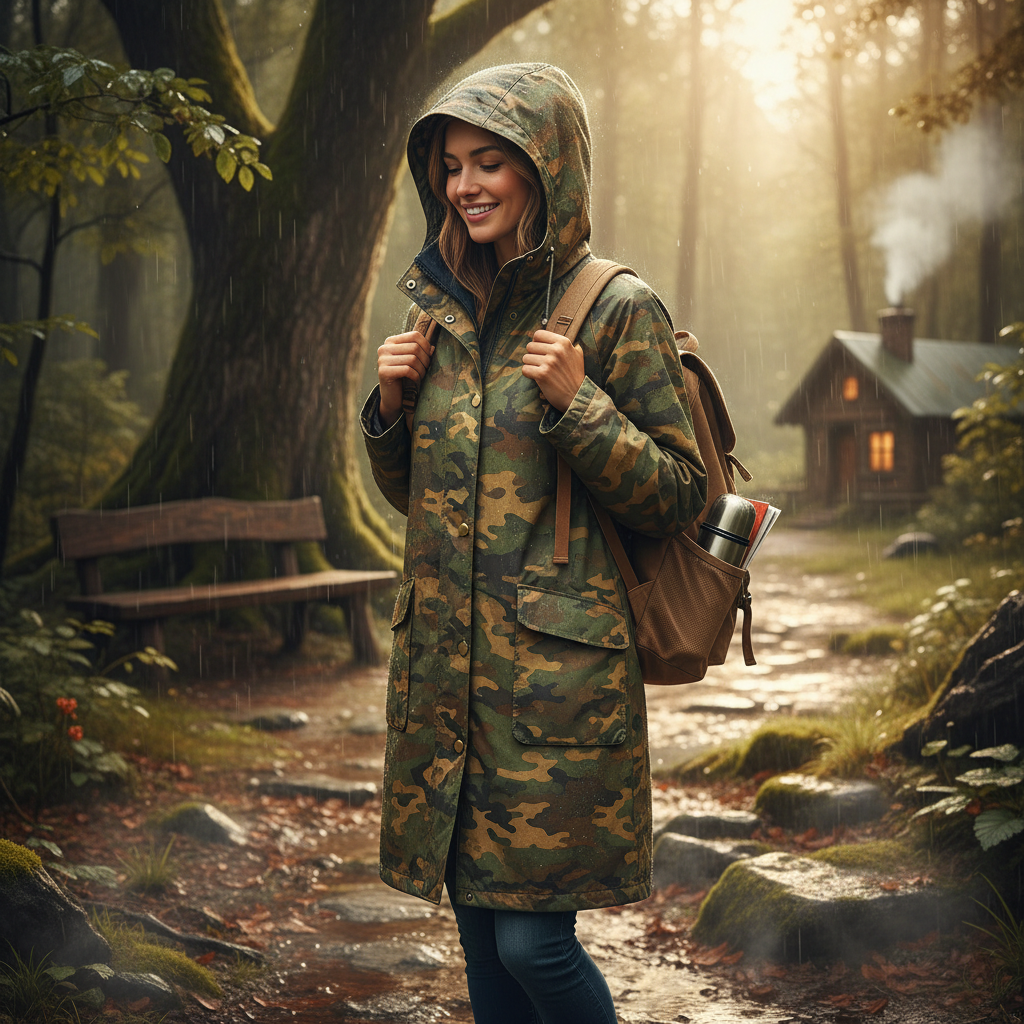
Honestly, things have been moving fast in the protective gear world. Everyone's chasing "breathability" and "lightweight" these days. Seems like every other factory is slapping some fancy new membrane on everything. But you know what I’ve noticed? Most of them are just marketing fluff. It's all about finding that sweet spot between keeping the rain out and letting enough air in – a balancing act, really. It's trickier than it looks.
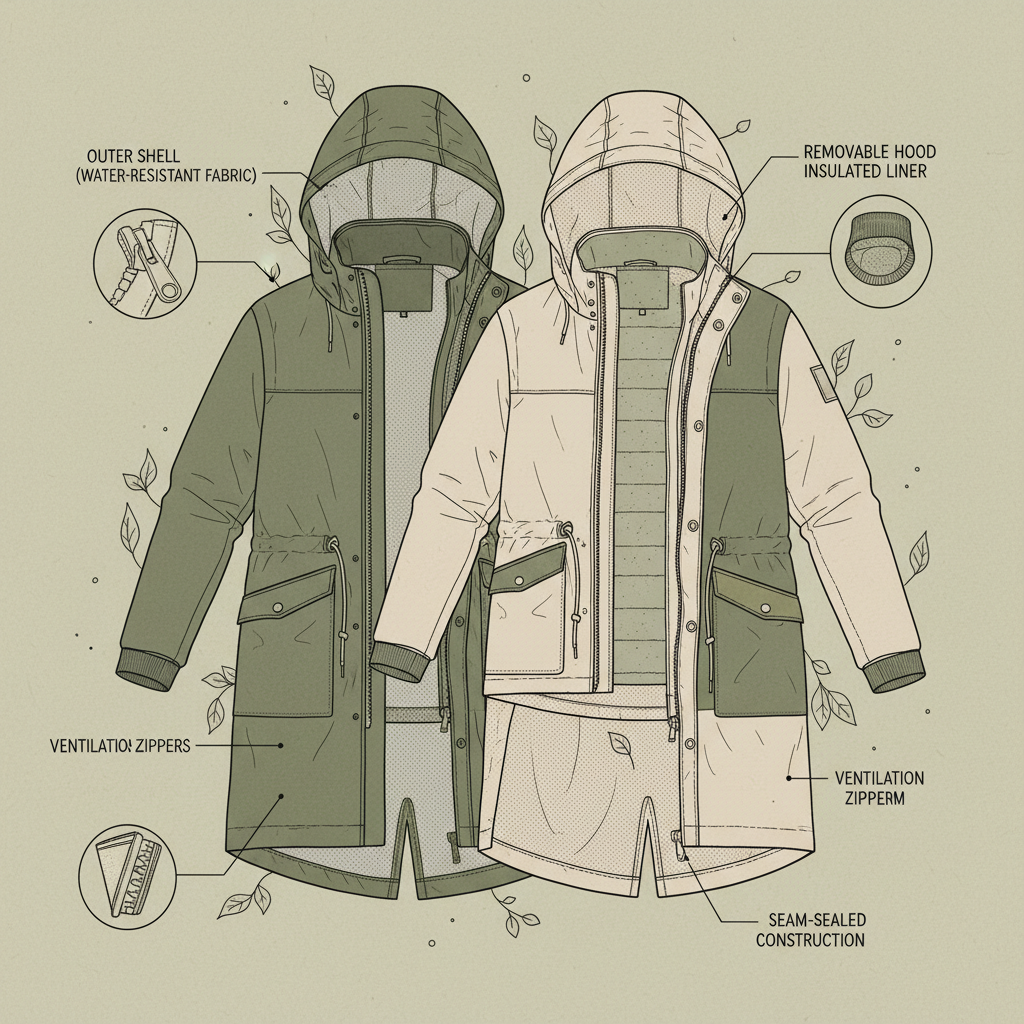
The 2 in 1 raincoat… yeah, that’s been a focus. The idea is simple: a waterproof shell combined with a comfortable inner layer. Sounds easy, right? Wrong. Getting the layers to work together, not against each other, is where it gets complicated. I've seen designs where the inner layer basically turns into a sauna. It’s… unpleasant.
And don’t even get me started on the closures. Zippers? Snaps? Velcro? Each has its own problems. Cheap zippers seize up in the mud. Snaps pull apart when you’re, you know, actually moving. Velcro… well, Velcro collects everything. Everything.
The Current Landscape of 2 in 1 Raincoat
To be honest, everyone's jumping on the "technical fabric" bandwagon. You see everything from PU coatings to PTFE membranes. PTFE – that’s Gore-Tex, basically – is great stuff, but expensive. Really expensive. And strangely, sometimes the cheaper PU coatings perform surprisingly well in less demanding conditions. It really depends on how it's applied and what the weave of the outer fabric is. You get those super tight weaves… they can really restrict breathability.
There's a lot of talk about recycled materials too, which is good. But sometimes the recycled stuff just doesn't hold up as well. It's a trade-off, always. Finding that balance between sustainability and performance... it's a constant struggle. Anyway, I think the biggest trend right now is trying to integrate more functionality – pockets, hoods that actually stay up, adjustable cuffs. People want versatility.
Design Pitfalls and Common Mistakes
Have you noticed how many 2 in 1 raincoats have hoods that are too small? Seriously. They’re basically useless if you’re wearing a hat, or, you know, have a head. It's a simple thing to get right, but so many manufacturers mess it up. And the pockets… They’re often positioned in awkward places, or they're not deep enough to actually hold anything.
Another big one is seam sealing. If the seams aren’t properly sealed, water will find a way in. Guaranteed. It doesn't matter how waterproof the fabric is, if the seams are leaking, you're going to get wet. I encountered this at a factory in Vietnam last time. They were using this cheap seam tape that just peeled off after a few washes. A disaster.
And the cut! A poorly cut raincoat restricts movement. You need to be able to bend, reach, lift… all the things people actually do when they're working. A boxy, ill-fitting raincoat is just… frustrating.
Material Breakdown: What We're Actually Using
The outer shell is usually a nylon or polyester ripstop. Ripstop is key – it prevents tears from spreading. You can tell a good ripstop by the feel. It’s got a slightly textured, almost papery feel to it. I prefer nylon, to be honest. It’s more durable. Polyester is cheaper, but it doesn’t hold up as well to abrasion.
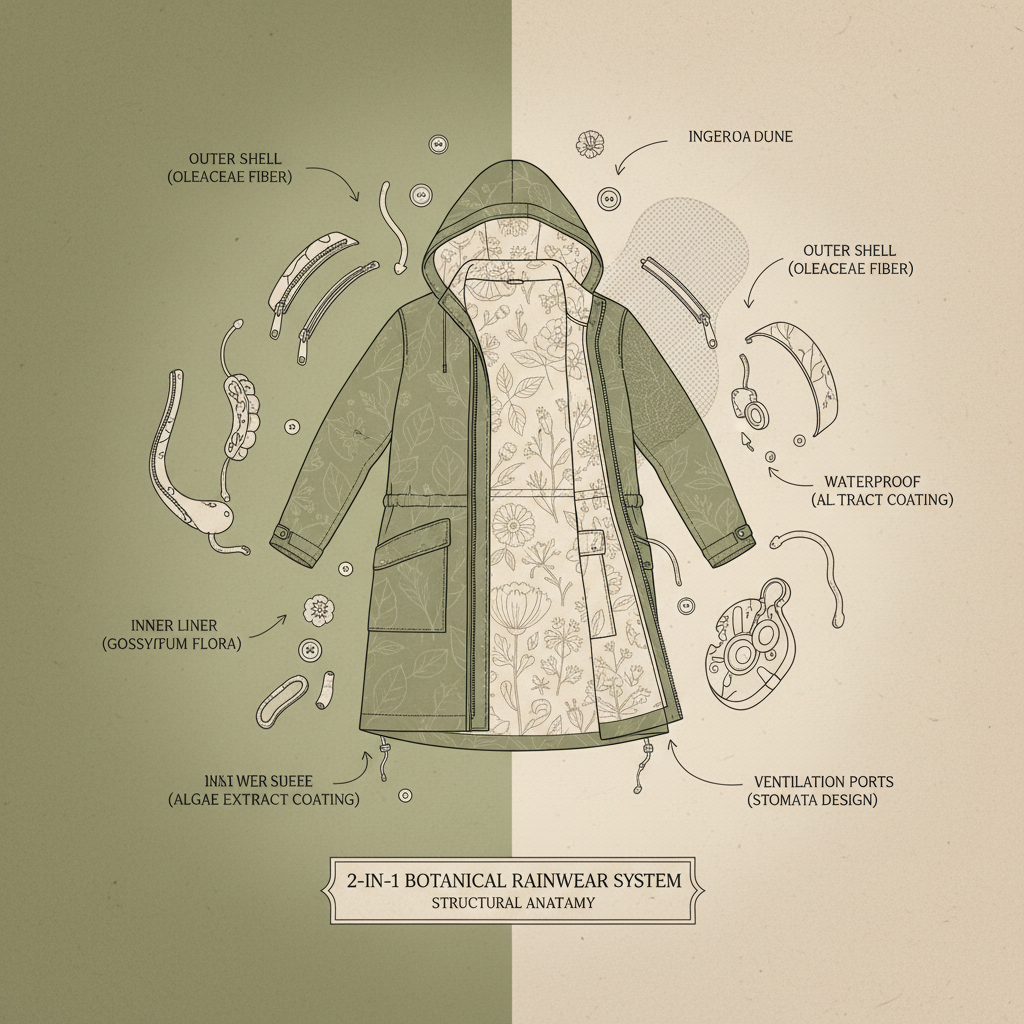
The inner layer is where things get interesting. We've been experimenting with everything from fleece to mesh to quilted linings. Fleece is warm and comfortable, but it can get bulky. Mesh is breathable, but it doesn’t offer much insulation. Quilted linings provide a good balance of warmth and breathability. The smell of the materials can also tell you a lot. A strong chemical odor usually means they've used a lot of harsh treatments.
And then there’s the membrane. As I mentioned before, PTFE is the gold standard, but it's expensive. We're also looking at polyurethane (PU) membranes and even some bio-based membranes made from renewable resources. Handling these materials...some feel like plastic sheets, others are soft and pliable. It really affects the overall feel of the garment.
Real-World Testing and Durability
Forget the lab tests. Those are fine for getting baseline numbers, but they don't tell you how a raincoat will actually perform in the real world. We test our raincoats on construction sites, in fields, in the rain, in the mud. We have guys wearing them for weeks at a time, doing actual work.
We look for things like abrasion resistance, tear strength, water repellency, and breathability. But we also look for things that are harder to quantify – comfort, freedom of movement, and overall durability. I've seen raincoats that look great in the lab but fall apart after a few days of hard use. That's why real-world testing is so important.
2 in 1 Raincoat Performance Metrics
How Users Actually Utilize 2 in 1 Raincoats
It's not always what you expect. A lot of people don't actually wear the inner layer inside the outer layer. They'll wear it as a separate jacket on milder days. Some guys use the outer shell as a windbreaker, even when it's not raining. They're resourceful.
I've also seen guys using the inner layer as a sleeping bag liner when they're camping. They'll roll it up and stuff it in their backpack. It's not ideal, but it works. You learn a lot by just watching how people actually use these things.
Advantages, Disadvantages and Customization Options
The biggest advantage of a 2 in 1 is versatility. You get two garments for the price of one. It’s convenient and cost-effective. But, and there’s always a “but”, it's rarely as good as a dedicated waterproof jacket and a dedicated insulated jacket. It’s a compromise.
Disadvantages? Weight. 2 in 1s tend to be heavier than single-layer raincoats. And breathability can be an issue, especially if the inner layer is too bulky.
Customization? Absolutely. Last month, that small boss in Shenzhen who makes smart home devices insisted on changing the interface to , and the result was a complete headache for the QC team. Seriously, he wanted ports on the cuffs for… reasons. We can do things like add reflective tape, change the pocket configuration, or even add custom logos. We even had one guy request a built-in whistle.
A Customer Story and Lessons Learned
We had a client, a landscaping company in Florida, who needed raincoats for their crew. They were working in really humid conditions, so breathability was a major concern. They went with a 2 in 1 with a mesh inner layer and a PU membrane outer shell. They loved it… for about a month. Then the membrane started to delaminate. Apparently, they were using harsh chemicals to clean the raincoats, which degraded the membrane.
That taught us a valuable lesson: we need to provide clear care instructions and warn customers about the potential for damage from harsh chemicals. It's not enough to just build a good product; you have to educate the users on how to take care of it.
We adjusted our QC process and started including detailed care labels with all of our 2 in 1 raincoats. Seems obvious, right? But you learn these things through experience.
Summary of Key Considerations for 2 in 1 Raincoat Selection
| Layer Composition |
Environmental Conditions |
User Activity Level |
Durability & Maintenance |
| Ratio of waterproof shell to insulating inner layer. |
Temperature, humidity, and frequency of rainfall. |
Sedentary vs. high-exertion work. |
Resistance to abrasion, tear, and chemical exposure. |
| Material selection for both layers (nylon, polyester, fleece, mesh). |
Seasonal variations in weather patterns. |
Level of physical activity during use. |
Ease of cleaning and repair. |
| Membrane type (PTFE, PU) and breathability rating. |
Exposure to UV radiation. |
Need for ventilation and moisture management. |
Long-term performance and lifespan. |
| Construction quality and seam sealing. |
Potential for extreme weather events. |
Impact on worker comfort and productivity. |
Compliance with safety standards. |
| Customization options (pockets, hoods, reflective tape). |
Specific industry requirements. |
Adaptability to different work environments. |
Cost-effectiveness over time. |
| Weight and bulk of the combined layers. |
Geographical location and climate. |
Frequency of use and maintenance requirements. |
Warranty and support offered by the manufacturer. |
FAQS
The main difference is versatility. A traditional shell is just a waterproof layer. A 2 in 1 offers insulation and weather protection in one. However, you often sacrifice some performance in both areas. A dedicated shell will almost always be more waterproof, and a dedicated insulated jacket will be warmer. It’s all about compromise. For everyday use, where you need something adaptable, a 2 in 1 can be great, but for serious conditions, you're better off with separate layers.
Critically important! If the raincoat isn’t breathable, you’ll end up sweating inside, which defeats the purpose of staying dry. Look for raincoats with a breathable membrane and good ventilation features, like pit zips. The inner layer also plays a role – mesh is more breathable than fleece. Remember, humidity is your enemy here. The higher the humidity, the more important breathability becomes. You need to let that moisture escape!
It depends on the quality of the materials and construction. A cheap 2 in 1 won’t hold up well to abrasion or tear. Look for raincoats made with durable fabrics like ripstop nylon or polyester, and reinforced seams. Consider the type of work you'll be doing – if you're constantly bending and reaching, you'll need a raincoat that can withstand the strain. Proper care and maintenance are also key to extending the lifespan of the garment.
Usually, yes, but always check the care label first! Most 2 in 1 raincoats can be machine washed on a gentle cycle with cold water. Avoid using harsh detergents or bleach, as these can damage the waterproof membrane. Tumble dry on low heat, or hang to dry. And remember to re-waterproof the outer shell periodically to maintain its water resistance. Seriously, re-waterproofing is key. It’s often overlooked, but makes a huge difference.
For hiking, prioritize breathability, lightweight design, and freedom of movement. Look for a raincoat with a hood that can be adjusted to fit snugly, and pockets that are easily accessible. Waterproof zippers are a must. Also, consider the packability of the raincoat – you want something that can be easily stowed away in your backpack. And don’t forget about the inner layer – a fleece or quilted lining will provide extra warmth and comfort.
Avoid raincoats with excessive features that add weight and complexity. Look out for bulky zippers, oversized pockets, and unnecessary embellishments. Also, be wary of raincoats made with cheap materials – they may not hold up well to wear and tear. And finally, avoid raincoats with a poor fit – a poorly fitting raincoat will be uncomfortable and ineffective.
Conclusion
Ultimately, the 2 in 1 raincoat offers a valuable compromise between weather protection, versatility, and cost-effectiveness. It's not a perfect solution, but it's a good option for many users. The key is to choose a raincoat that’s made with high-quality materials, has a well-designed construction, and is appropriate for your specific needs.
But honestly, whether this thing works or not, the worker will know the moment he tightens the screw. It's all about real-world performance. And if it keeps them dry and comfortable, that's all that matters.
 rainwears@163.com may@may-rain.com
 Mon to Friday: 8.00 am - 7.00 pm