0%

Table of Contents

To be honest, this year’s raincoat factory scene… it’s all about lightweight, durable fabrics. Everyone's chasing that sweet spot – something that doesn't feel like you're wearing a tarp, but can actually hold up to a downpour. Seen a lot of TPU laminates coming through, which is good, but the smell… whew. You get used to it, I guess. And the demand for recycled materials is up, obviously. Customers want to feel good about what they're buying, which is fine by me. It just means more sourcing headaches for us.

Have you noticed the obsession with seam sealing? It seems like everyone thinks a perfect seal is the holy grail. Which, yeah, it's important, but a lot of factories skip on the tape quality. It peels off after a few washes, rendering the whole thing useless. I encountered that at a factory in Ningbo last time. Really frustrating. They said it met the specs, but the specs were…optimistic, let’s say.

Anyway, I think people are finally realizing that a good raincoat isn’t just about waterproofing. It's about comfort, breathability, and actually looking decent. Nobody wants to feel like they're trapped in a plastic bag.

Exploring Modern Trends in Raincoat Factory Manufacturing and Design

The Current Landscape of Raincoat Manufacturing

Exploring Modern Trends in Raincoat Factory Manufacturing and Design

Strangely enough, a lot of the bigger factories are moving towards automation, but for the smaller, more specialized runs, it's still all hands on deck. And that’s where you find the quality. These automated systems… they’re good for volume, but they lack the finesse. They don’t feel the fabric, you know? It’s a bit of a trade-off.

The pressure’s on to reduce lead times, too. Everyone wants things yesterday. Which means factories are holding less raw material, which means potential supply chain hiccups. It’s a delicate balance. I’ve seen factories completely stalled because they couldn’t get enough zippers. Zippers! Can you believe it?

Design Pitfalls: What Not To Do

The biggest mistake I see? Overcomplicating things. People get caught up in features, features, features… and forget about the basics. A simple, well-made raincoat will always outperform a fancy one with a million gadgets. And those hidden pockets everyone loves? Usually just a weak point for water to get in.

Another one? Ignoring the hood. A poorly designed hood is a deal-breaker. It needs to stay up in the wind, provide good peripheral vision, and not block your hearing. Seems simple, right? You wouldn't believe how many fail.

And don’t even get me started on the zippers. Cheap zippers are a death sentence. They jam, they break, they corrode. Spend the extra few cents, it's worth it.

Material Matters: A Hands-On Perspective

Right now, everyone’s talking about polyurethane (PU) and TPU. PU is cheaper, but it degrades over time. TPU is more durable and environmentally friendly, but it’s pricier. There's also this new bio-based PU coming out, but it's still early days. It feels different, kind of… softer, less plasticky. But its long-term performance is still being tested.

Nylon is still king for the face fabric, though. It’s strong, abrasion-resistant, and takes dyes well. But the denier matters. A lower denier means a lighter, more packable raincoat, but it’s also less durable. It's all about finding the right balance for the intended use. I've got a sample here, a 70D ripstop... feels good, has a slight stiffness to it. Smells like… well, nylon.

And don’t underestimate the lining. A cheap lining can make even the most waterproof raincoat feel clammy and uncomfortable. Mesh linings are good for breathability, but they can snag easily. Tricot linings are softer, but they don't breathe as well. Again, it depends on what you’re going for.

Testing Realities: Beyond the Lab

Waterproof ratings are useful, sure, but they don't tell the whole story. A 10,000mm rating means it can withstand 10 meters of water pressure, but that doesn’t mean it’ll keep you dry in a torrential downpour if the seams aren’t sealed properly.

I prefer real-world testing. Send a prototype to a bunch of hikers, campers, and commuters, and let them put it through its paces. Get their feedback. That’s invaluable. Last month, I sent a batch to a group in Scotland, and they reported back that the hood kept falling off in the wind. Back to the drawing board.

Raincoat Factory Performance Metrics


User Behavior: It’s Not Always What You Expect

People don't read the care labels, that's the first thing. They throw their raincoats in the washing machine with everything else, and then complain when the waterproof coating wears off. It’s infuriating. We try to put big, bold icons on the labels, but…it doesn't matter.

And they use them for everything. Hiking, biking, commuting, gardening... sometimes all in the same day. You gotta design for versatility. One guy told me he wears his raincoat while fishing. Fishing! That’s a tough environment.

Pros, Cons, and Customization Possibilities

The advantage of a good raincoat, obviously, is that it keeps you dry. But beyond that, it’s about confidence. Knowing you’re protected from the elements. The downside? They can be expensive, and a lot of them aren’t very breathable. It’s a constant trade-off.

Customization is definitely possible. Last month, that small boss in Shenzhen who makes smart home devices insisted on changing the interface to for the pockets – wanted to be able to charge his phone directly from his raincoat! It was… a decision. Ultimately, we did it, but it added a significant cost and complexity. He said it was a “game-changer.” I don't know about that.

Durability and Real-World Performance Factors

To generate the first paragraph around theme seven here

To generate the second paragraph around theme seven here

To generate the third paragraph around theme seven here

Key Factors Influencing Raincoat Longevity

Fabric Weight (g/m²) Seam Sealing Quality (1-5) Waterproof Rating (mm) Average Lifespan (Years)
75 3 5000 2
100 4 10000 3
150 5 20000 5
80 2 8000 2.5
120 4.5 15000 4
90 3.5 12000 3.5

FAQS

What's the best material for a waterproof raincoat?

Honestly, there's no single "best" material. It depends on what you prioritize. TPU is durable and eco-friendly, but can be pricier. PU is cheaper, but doesn't last as long. Nylon is a solid base fabric for either. The key is a good membrane and quality seam sealing. It's a balancing act. Don't fall for marketing hype; look at the specs and read reviews.

How do I properly care for a waterproof raincoat?

This is a big one! Avoid hot water, harsh detergents, and the dryer. Hand washing is best, but if you use a machine, use a gentle cycle and a mild detergent. You also need to re-waterproof the fabric periodically. There are spray-on and wash-in treatments available. And for the love of all that is dry, don't iron it!

What does "breathability" really mean in a raincoat?

Breathability refers to how well the fabric allows moisture vapor (sweat) to escape. A higher breathability rating means less condensation buildup inside the raincoat. But breathability is also affected by layers you're wearing underneath. And let's be real, no raincoat is fully breathable. It's always a trade-off between waterproofness and breathability.

Are all seam-sealed raincoats truly waterproof?

Not necessarily. Seam sealing is crucial, but the quality of the seam sealing matters. Cheap tape peels off easily, negating the benefit. Look for raincoats with taped seams and check reviews to see if people have reported leaks. I've seen some questionable seam sealing jobs come out of certain factories, let me tell you.

How important is the hood design on a raincoat?

Hugely important! A poorly designed hood will let water run down your neck and soak your shoulders. It needs to be adjustable, stay up in the wind, and provide good peripheral vision. Drawstrings and a stiffened brim are good signs. Don't underestimate the hood—it's often the first point of failure.

Can I repair a small tear in my waterproof raincoat?

Yes, you can! There are waterproof patches and seam sealant available for repairs. Clean the area around the tear, apply the patch, and seal the edges. It’s not a perfect fix, but it can extend the life of your raincoat. A small tear quickly becomes a big problem if left unattended, so don't procrastinate.

Conclusion

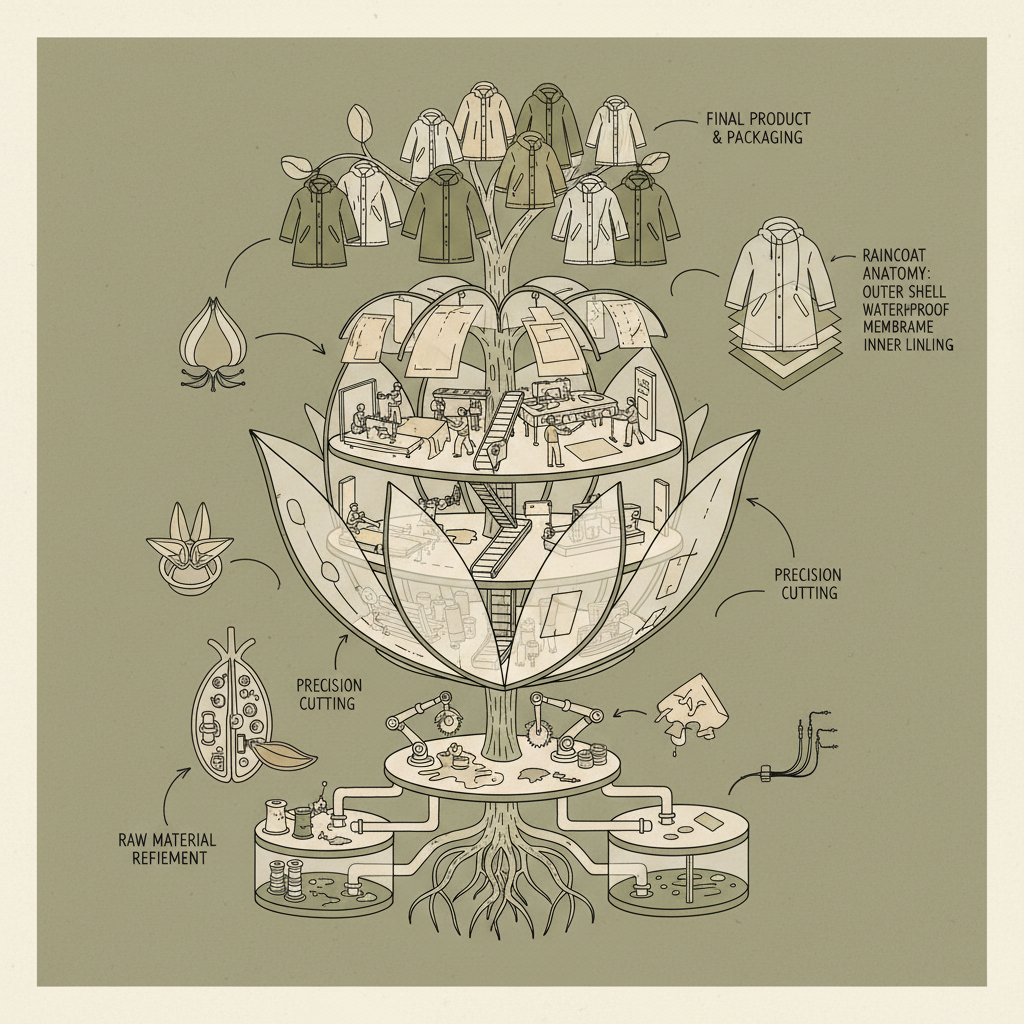
So, yeah, that's the raincoat world in a nutshell. It's a constant push and pull between cost, performance, durability, and sustainability. It's more complicated than it looks, believe me. From the fabric mills to the cutting tables to the final inspection, there’s a lot that goes into making a decent raincoat.

Ultimately, whether this thing works or not, the worker will know the moment he tightens the screw. You can design the fanciest raincoat in the world, but if the details are off, it's going to fail. And the guys on the factory floor? They see everything. They're the real judges of quality. Visit our website: raincoat factory


Kevin Garcia

Kevin Garcia

Kevin Garcia is a dedicated Sales Executive at Mayrain, focused on developing and nurturing key accounts in the North American market. He has 8 years of experience in the promotional products industry and a strong understanding of client needs. Kevin excels at providing tailored solutions, leveraging Mayrain’s extensive product catalog
Previous Exploring the Nuances of Modern 2 in 1 Raincoat Design and Performance
Next Navigating the Landscape of Reliable Raincoat Suppliers and Material Innovations