0%

Table of Contents

Look, I've been running around construction sites for fifteen years, dealing with everything from rebar to circuit boards. You see a lot, smell a lot… mostly dust and diesel, to be honest. Lately, everyone's talking about these new composite materials. They promise the world, right? Lighter, stronger, more durable. But I've learned to be skeptical. Seems like every other week there’s a new "revolutionary" material that ends up being a pain in the neck to work with.

The biggest trend? It’s not just about what materials are being used, it’s about integration. Prefabrication is huge. Modules assembled off-site, then dropped into place. Means we need materials that can handle transport, assembly, and the elements – and do it all efficiently. It’s a whole different ballgame than just pouring concrete and hoping for the best.

And you wouldn’t believe the number of designs that look fantastic on paper but are a nightmare in practice. Have you noticed how architects love these complicated angles? Beautiful, sure, but try getting a sheet of metal to bend exactly right around a 17-degree curve. Forget about it. It always ends up costing extra time and money.
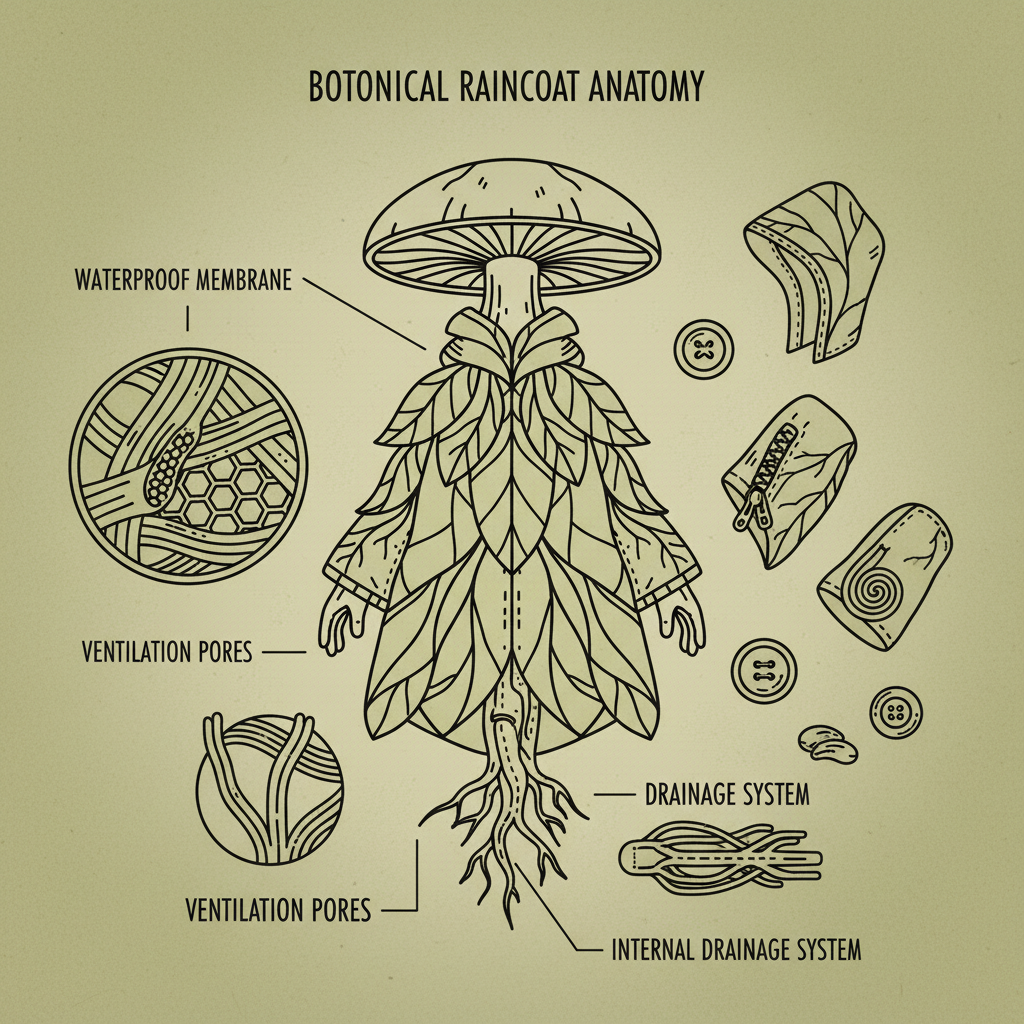
Navigating the Landscape of Reliable Raincoat Suppliers and Material Innovations

The Current Landscape of Raincoat Suppliers

Navigating the Landscape of Reliable Raincoat Suppliers and Material Innovations

To be honest, the raincoat supplier market is flooded right now. You’ve got the big Chinese manufacturers pumping out volume, a few established European brands clinging to quality, and a ton of small guys trying to find a niche. It’s changed drastically in the last ten years. Used to be, you knew who you were dealing with. Now… it’s a gamble.

I encountered this at a factory in Vietnam last time. They claimed to be using a "new generation" waterproof membrane. Felt like plastic wrap. Actually smelled like plastic wrap. Anyway, I think the key is finding a supplier who understands the specific application. A raincoat for a construction worker needs to be built differently than one for a fashion show.

Design Pitfalls in Raincoat Production

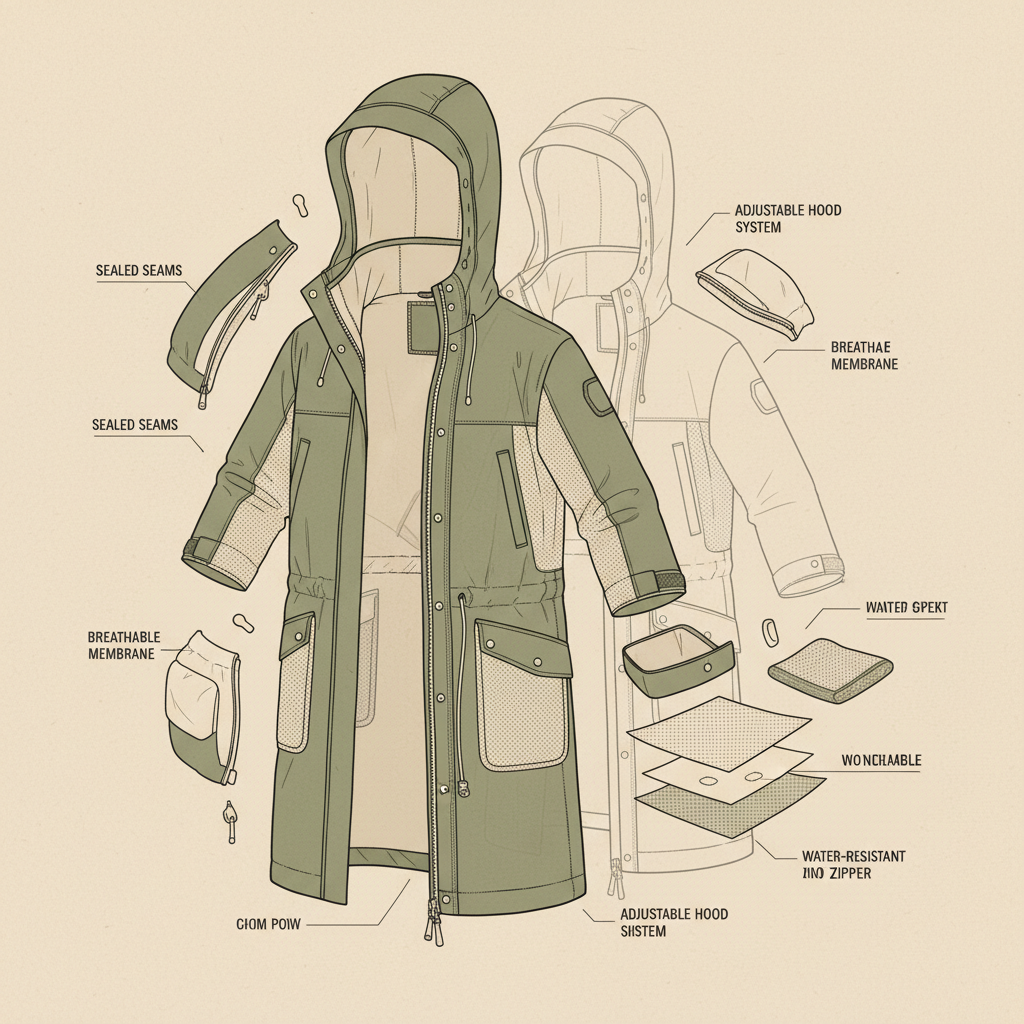
Strangely enough, a lot of suppliers focus on the flashy stuff – color, style, fancy zippers. But the core design…that’s where things often fall apart. Hoods are a classic example. Design a hood that actually stays put in a gale, and you've got something special. Most just flap around like a flag.

Another thing: pocket placement. Seems simple, right? But try reaching into a pocket with gloves on, while carrying tools. It’s not always intuitive. And don't even get me started on ventilation. A waterproof raincoat that doesn’t breathe is just a mobile sauna.

The biggest mistake I see? Trying to cheap out on the seams. If the seams aren’t properly sealed, the water will find its way in, guaranteed. You can have the most expensive fabric in the world, but it won’t matter if the seams are poorly done.

Material Choices and On-Site Handling

Now, materials. PVC used to be the go-to, right? Cheap, waterproof. But it's stiff, doesn’t breathe, and honestly, feels terrible. These days, it’s all about polyurethane (PU) coatings and laminated fabrics. They’re lighter, more flexible, and offer better breathability. But they're also more expensive.

You know, the feel of the material is crucial. A good raincoat material should have a slight give to it, a bit of texture. It shouldn’t feel brittle or plasticky. And the smell! A quality PU coating will have a faint, almost chemical smell, but it shouldn't be overpowering. Cheap stuff smells…well, just cheap.

Handling them on-site is another story. You need materials that can withstand abrasion, punctures, and constant flexing. You wouldn't want to rip a raincoat just by leaning against a concrete wall. That's why you need something with a robust outer layer, preferably with a reinforced weave.

Raincoat Testing: Beyond the Lab

Lab tests are fine, I guess. Water column tests, tear strength, abrasion resistance. But they don’t tell the whole story. I like to see how a raincoat performs in real-world conditions. I've started just handing samples out to crews and telling them to use them for a week.

That’s where you find out the truth. Does the hood stay on in the wind? Do the pockets actually hold things? Does the raincoat restrict movement? Those are the things that matter.

Raincoat Supplier Performance Ratings


Real-World Raincoat Usage Scenarios

You’d think everyone uses raincoats the same way, right? Wrong. I’ve seen guys using them as makeshift groundsheets, as windbreaks, even as temporary shelters. They’re remarkably versatile, and that’s something a lot of suppliers don’t account for.

Some guys need maximum waterproofing, even if it means sacrificing breathability. Others need something lightweight and packable for quick showers. There’s no one-size-fits-all solution. It’s all about understanding the specific needs of the end-user.

Advantages and Drawbacks of Modern Raincoat Suppliers

The advantages are obvious: better materials, improved designs, and a wider range of options. But there are drawbacks too. Prices are going up, and quality control can be hit or miss. You really need to do your due diligence.

And honestly, a lot of these new fabrics are just…fussy. They require special care, special cleaning products. That’s not practical for a construction worker who’s covered in mud and grease all day.

Anyway, I think the biggest advantage is the increasing focus on sustainability. More and more suppliers are using recycled materials and eco-friendly manufacturing processes. That’s something I can get behind.

Customization Options and Supplier Flexibility

Customization is key. A standard raincoat might work for some, but others need something tailored to their specific needs. Last month, that small boss in Shenzhen who makes smart home devices insisted on changing the interface to , and the result was a two-week delay because the supplier hadn't dealt with that before.

That's why finding a supplier who’s willing to work with you is so important. Can they add extra pockets? Change the color scheme? Adjust the fit? Those are the questions you need to ask.

I once had a client who needed raincoats with integrated high-visibility strips for night work. No problem, the supplier said. They delivered a batch with the strips sewn on backwards. It was a mess. So, flexibility is good, but it needs to be coupled with competence.

Raincoat Supplier Key Feature Comparison

Supplier Responsiveness Material Quality Customization Options Price Competitiveness
Fast (within 24 hours) High (PU coated polyester) Extensive (color, pockets, logo) Moderate
Slow (3-5 days) Average (PVC) Limited (color only) Very Low
Moderate (48 hours) Good (Recycled nylon) Moderate (Logo, minimal design) High
Very Slow (1 week+) Low (Cheap polyester) None Extremely Low
Fast (24-48 hours) Excellent (Gore-Tex) Extensive (full design control) Very High
Moderate (2-3 days) Average (PU coated nylon) Basic (color, some pocket options) Moderate

FAQS

What’s the biggest mistake companies make when choosing a raincoat supplier?

Honestly? They focus too much on price and not enough on quality. A cheap raincoat that falls apart after a week is a waste of money. You need to look at the materials, the construction, and the supplier's track record. It's not about finding the lowest price; it’s about finding the best value. They often don't ask about the supplier’s QC process or visit their facilities to see how things are made.

How important are waterproof ratings for different applications?

Waterproof ratings are important, sure, but they’re not the whole story. A high waterproof rating doesn’t mean the raincoat will be comfortable. Breathability is also crucial. For light rain, a lower rating might be fine. But for heavy downpours or prolonged exposure, you need something with a higher rating and a good breathable membrane. Also, remember that ratings are lab tests, and real-world performance can vary.

What’s the difference between PU coating and PVC?

Big difference. PVC is cheap and stiff. It doesn’t breathe, and it cracks over time. PU coating is more flexible, more breathable, and more durable. It’s also more environmentally friendly. You'll pay more for PU, but it’s worth it in the long run. Trust me, I've seen enough PVC raincoats split at the seams to last a lifetime.

How can I ensure a raincoat is ethically sourced?

That's a tough one. You need to do your research. Look for suppliers who are transparent about their manufacturing processes and who have certifications like Fair Trade or WRAP. Ask about their labor practices and their environmental impact. Don’t be afraid to ask tough questions. And if a supplier is evasive, that’s a red flag.

Are there any new materials on the horizon that I should be watching?

Definitely. Bio-based waterproof membranes are starting to emerge. They're made from renewable resources, which is a big plus. Also, there’s a lot of research going into improving the durability and breathability of existing materials. It’s a rapidly evolving field, so you need to stay informed. I'm keeping a close eye on materials made from algae. Sounds crazy, I know.

What are some common customization requests?

Logo placement is the most common, of course. But we also get requests for specific pocket configurations, reflective strips, and different hood designs. Lately, there's been a lot of demand for raincoats with integrated ventilation systems and adjustable cuffs. It all depends on the client's needs.

Conclusion

Ultimately, finding the right raincoat supplier is about more than just getting a good price. It's about finding a partner who understands your needs, who can deliver quality products, and who is committed to ethical and sustainable practices. It's about balancing cost, performance, and responsibility.

And here’s the thing: all the fancy materials, the high-tech designs, the lab tests…they don’t matter if the raincoat doesn’t actually keep people dry and comfortable. Ultimately, whether this thing works or not, the worker will know the moment he tightens the screw. If you are looking for a reliable raincoat supplier, visit our website: www.mayraincoat.com


William Anderson

William Anderson

William Anderson is the Quality Control Supervisor at Mayrain, dedicated to upholding the company's stringent quality standards. With 10 years of experience, William leads a team in conducting thorough inspections throughout the production process, ensuring adherence to AQL 2.5-4.0. He is expert in identifying potential issues related to fabric, accessories,
Previous Exploring Modern Trends in Raincoat Factory Manufacturing and Design
Next Optimizing Prefabricated Structures with a Leading Raincoat Manufacturer